Along 7 huts in the Dachstein massif

We had not been to the Alps for a long time. We were curious how we would experience it after our trekking in Nepal. We chose the Austrian Dachstein massif. A trek along 7 huts.
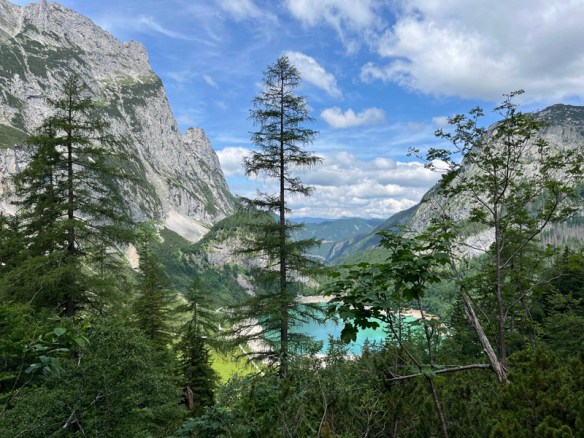
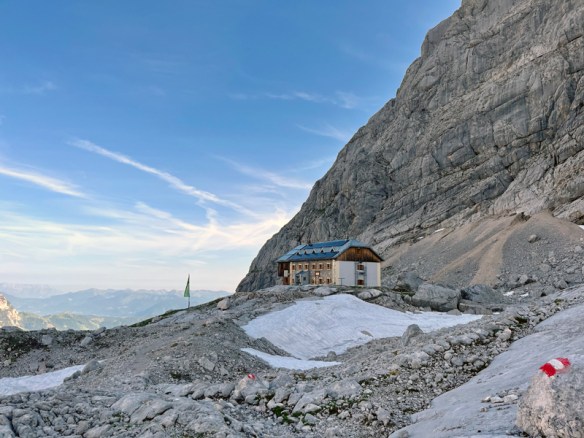
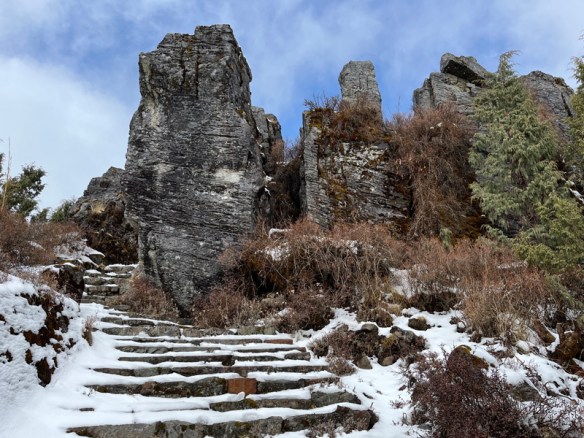
We travelled by train to Salzburg, and from there by local transport to Gosau, the starting point of our hike. We started with a climb through a damp forest. The second day we walked to the Adamekhütte, situated in a spectacular location, under the large Gosaugletscher 
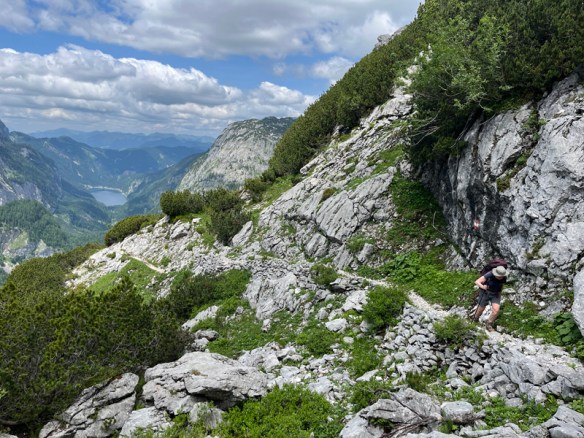
The walk, from there, along the Linzersteig to the Hofpurgelhütte is tough, but very special. It requires constant concentration. But it is great.
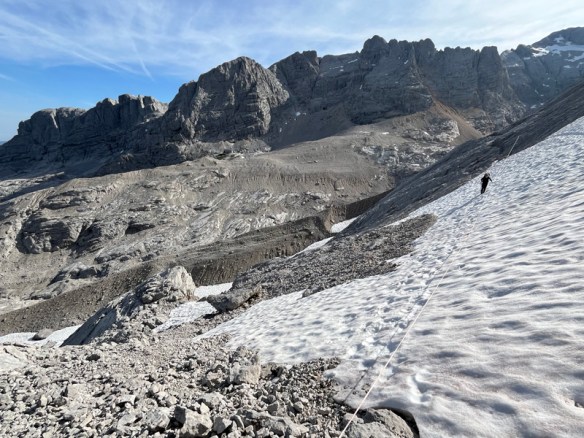
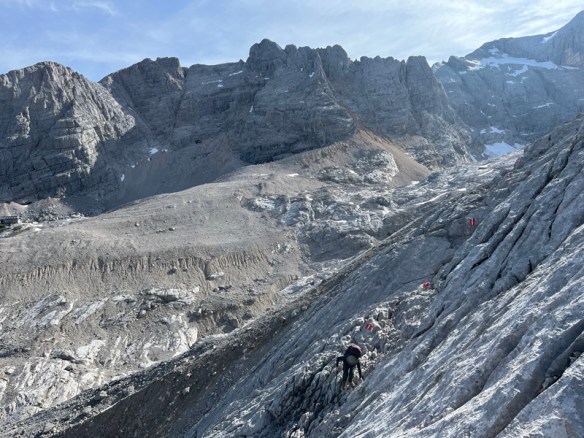
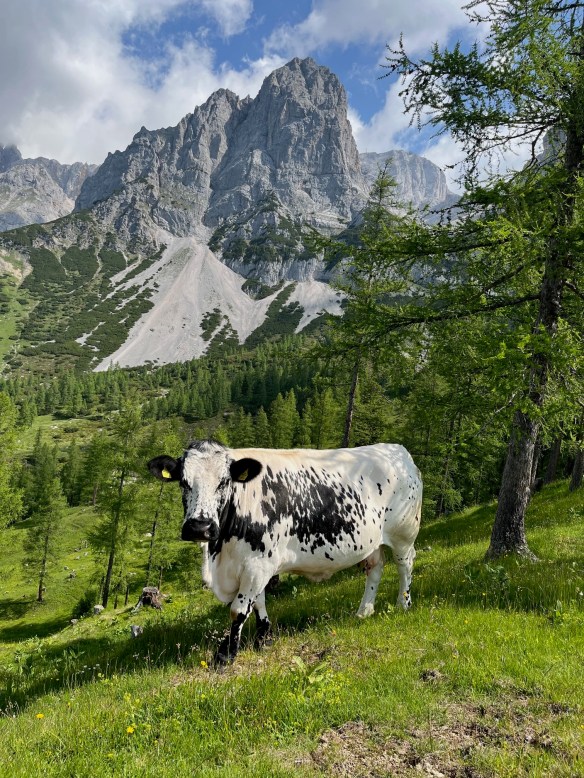
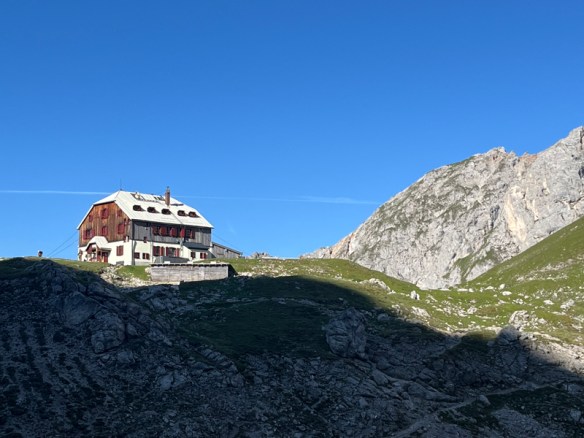
After the Hofpurgelhütte it is easier. We walk over alpine pastures where cows graze. In a farm café we drink thick Buttermilk, and the area around the Austriahutte is also green. 
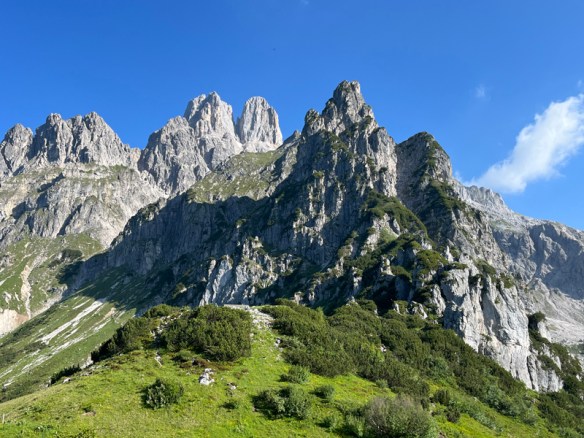
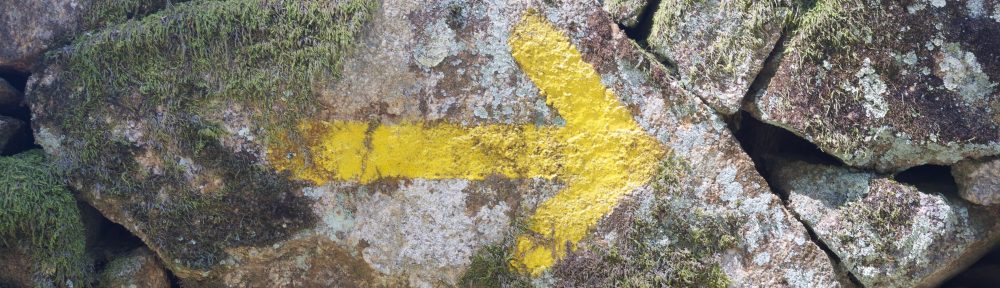
The next day our goal was the Guttenberghaus. In order to avoid the first difficult climb over moraine fields we decided to take the cable car. It turns out to be very popular with day trippers to experience something of the high mountains and the glacier without any effort. The weather is clear. When we have found the start of our path, the markings of red and white paint strokes are easy to find. It is the weekend and the hut is very crowded. Most guests come from the other side, from the valley. They are there to climb on the rocks around the hut. Helmet on, ropes, hooks …
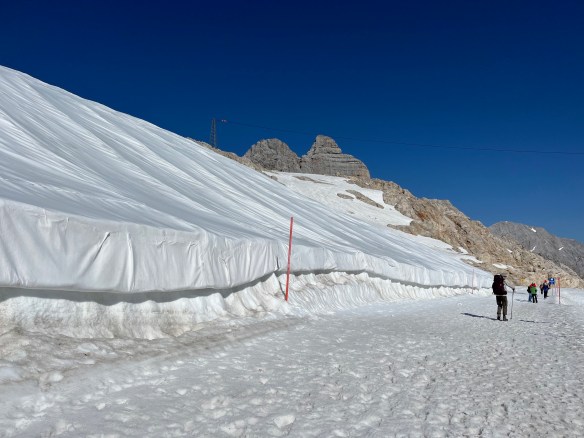
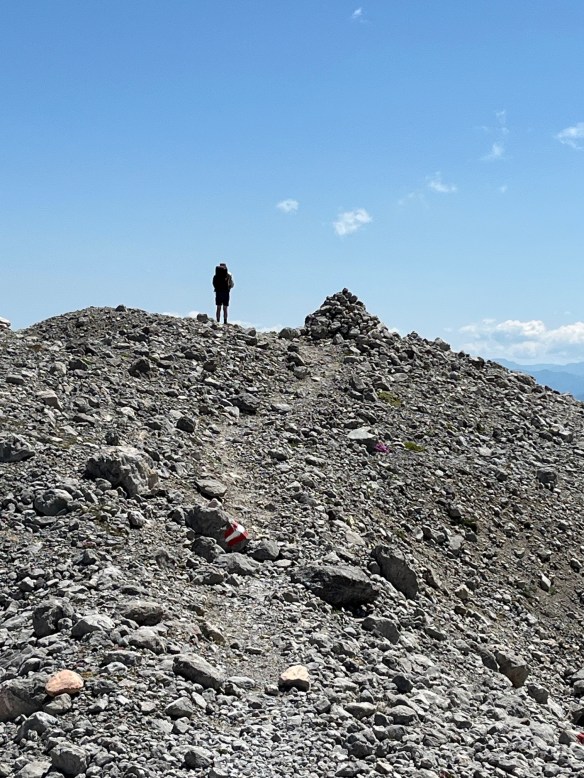
The next day, after a great breakfast, we walk to the Gjaid Alm Hutte. The ‘Alm’ in the name already indicates that this hut is located a bit lower. When we get close, we see a new Nepalese flag waving. The hut appears to be rented by a Nepalese family. In each hut you can find a kitchen-help out of Nepal; they come from Nepal to Austria after the trekking-season and in September, when they can work in Nepal as a guide again, they travel back. But an entire Nepalese family, who are running a hut …
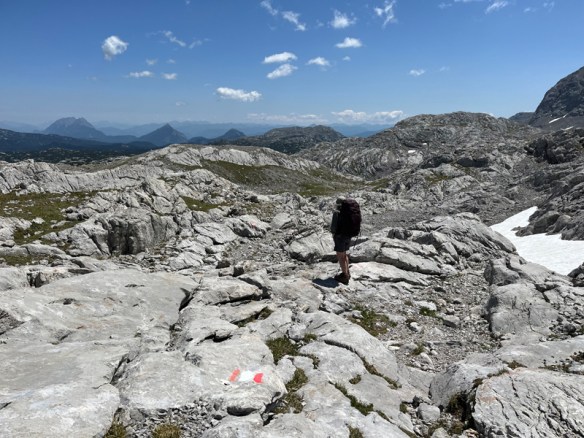
The last day of walking was a long descent to Hallstatt; a very touristy place. After eight days in the mountains, we entered a completely different world and that took some time getting used to it.
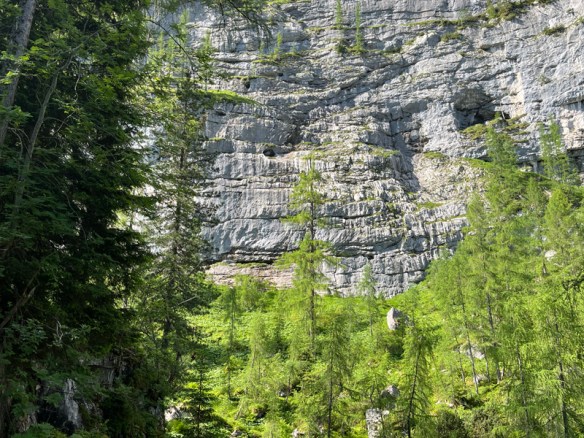
We took the train back to Salzburg. And then back home, thinking about the difference with our trip in Nepal. And there is a difference; a trip in the Dachstein massif is much more difficult. But we could do it.

.

.

.
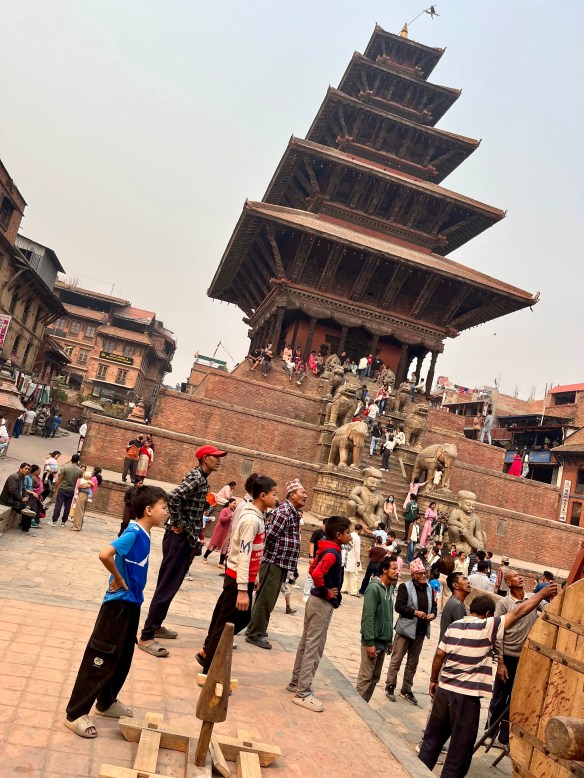
(6) Nepal – Bhaktapur

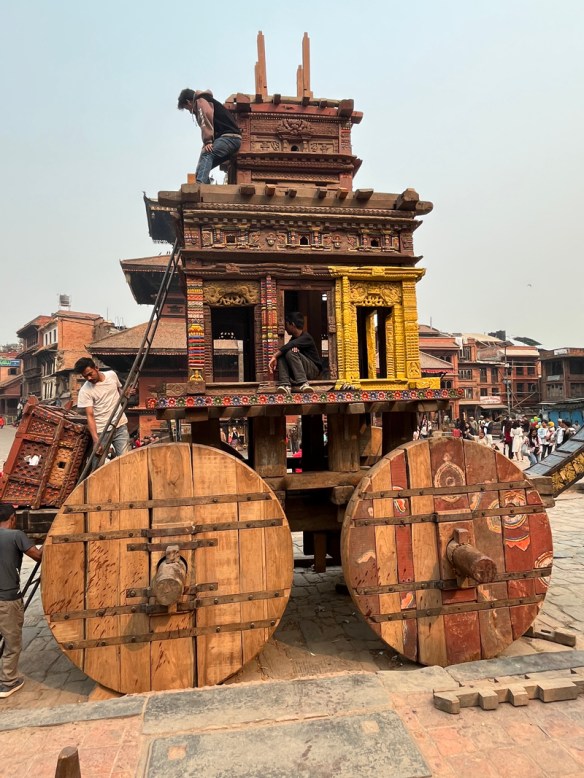
Bhaktapur is one of the three royal cities in Nepal.
The old city center is a Unesco world heritage site.
Before we flew back to the Netherlands we had time to visit the city.

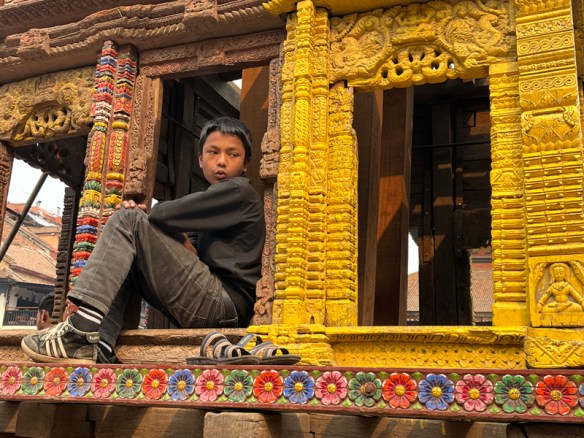
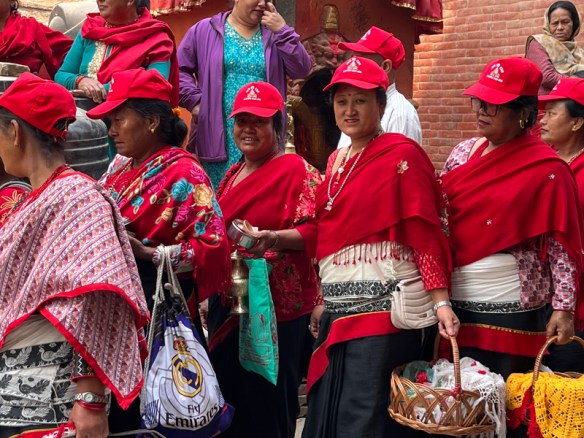
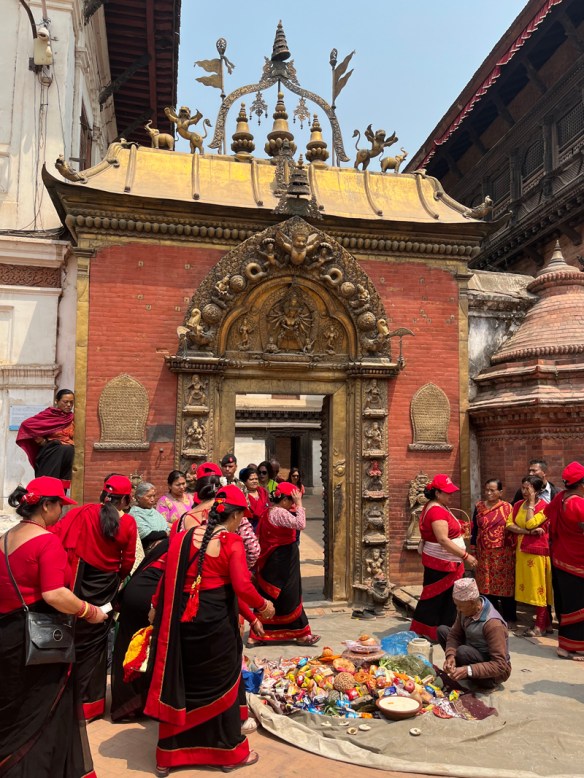
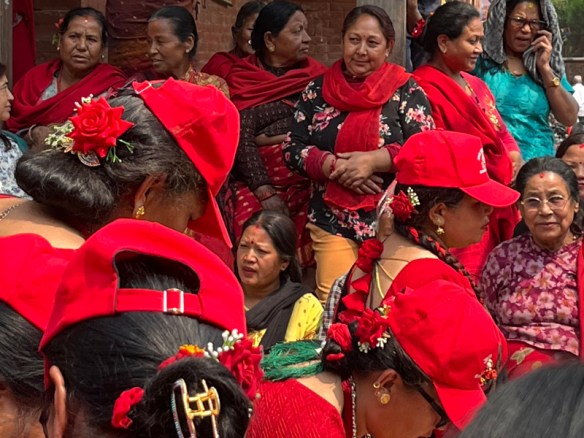
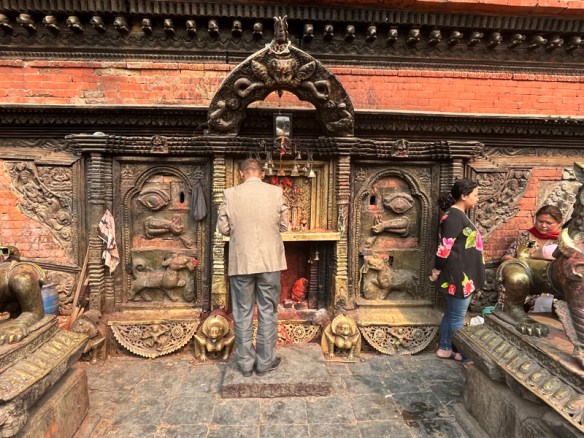
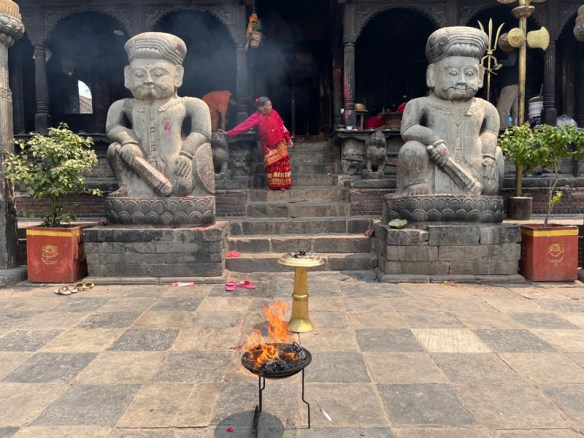
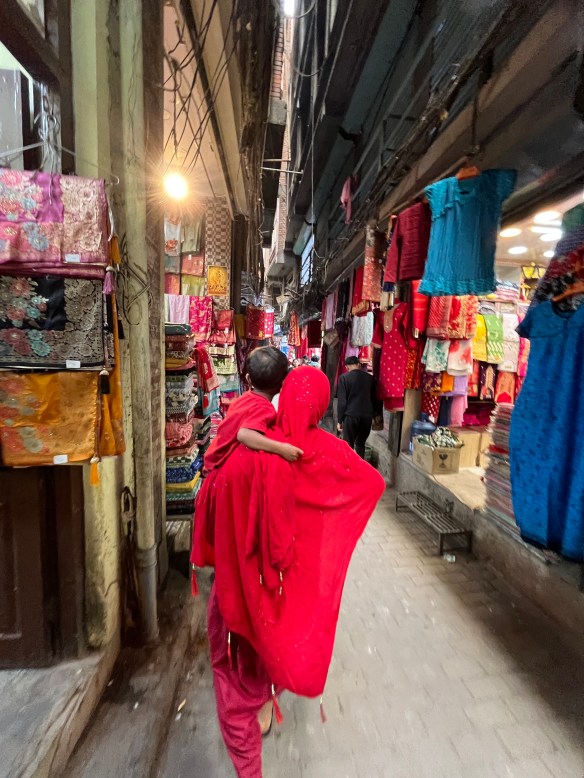
And we were lucky; it was ‘thankgivings’ for the Hindu-communities, who brought offerings along all the holy Hindu places in the city. The colour RED is very important.
Red symbolizes passion, power, strength and purity and is important in Hinduism.
It is the color of life.

.

.

.

(5) Nepal – Kathmandu

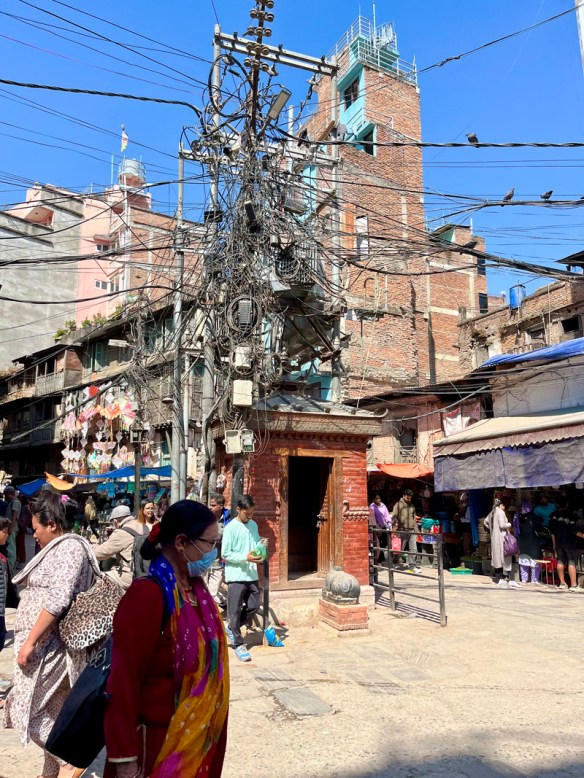
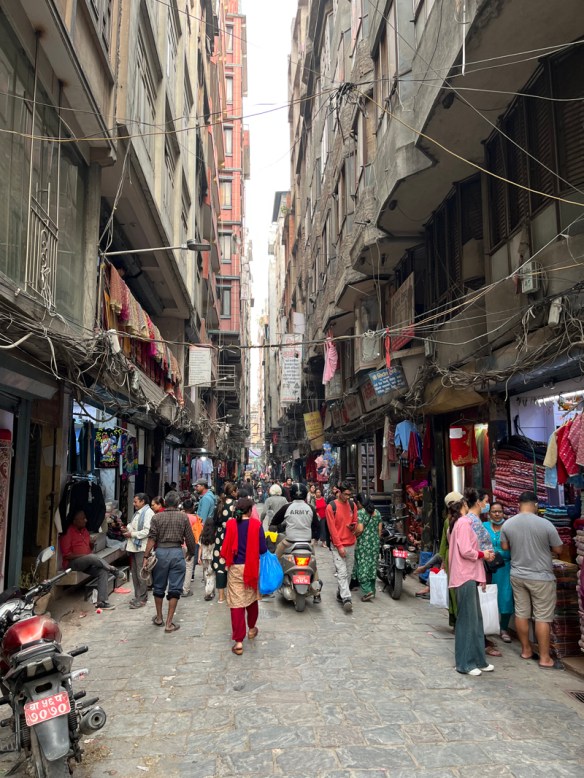
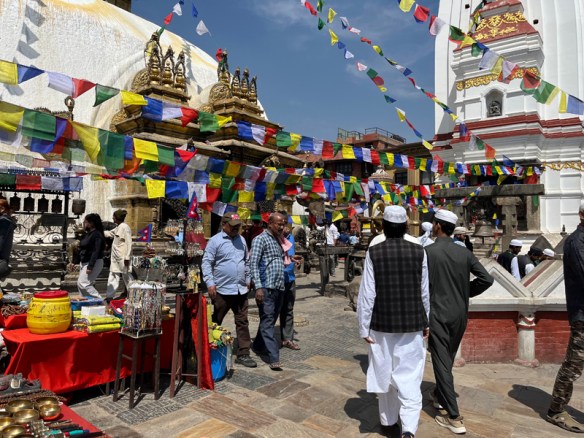
Kathmandu is a big city, chaotic, crowded, The Thamel district is the most popular with tourists; there are countless small shops in the high narrow streets. It is colorful. There are many crafts for sale.
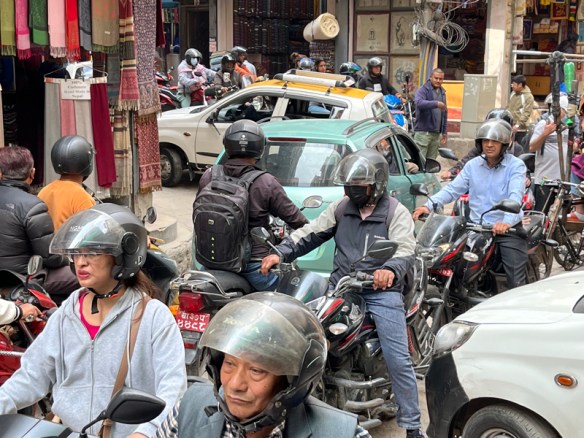
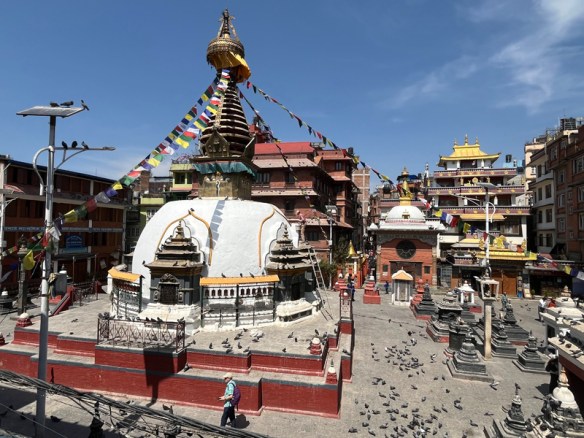
The air is bad because of the exhaust fumes of the enormous amount of motorbikes. Between the busy streets there are squares with temples, where traffic is not allowed.

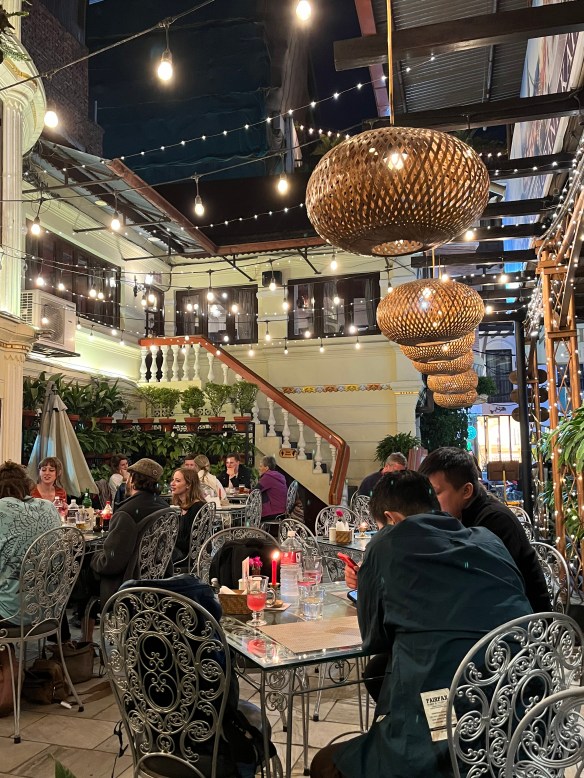
And there are hidden gems where you can eat fantastic food.

.

.

.

(4) The Tea Houses in Nepal

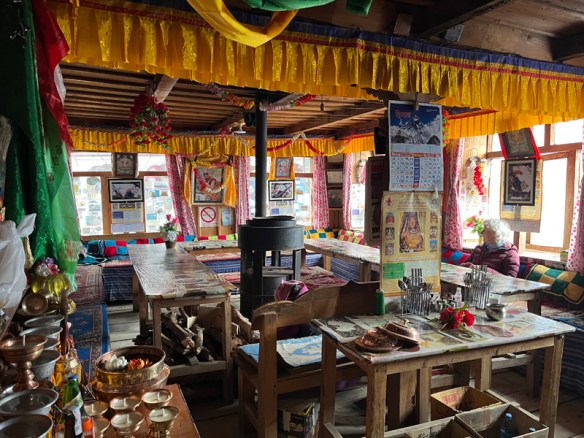
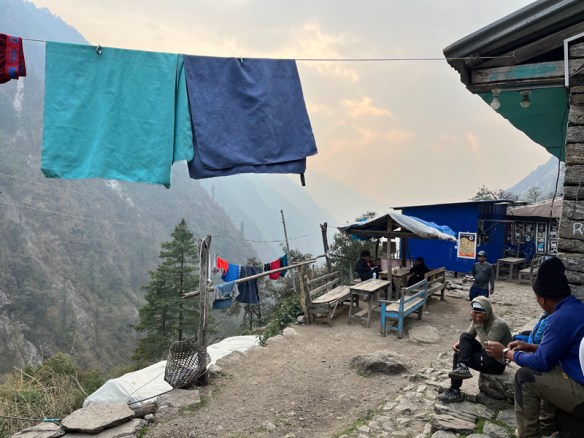
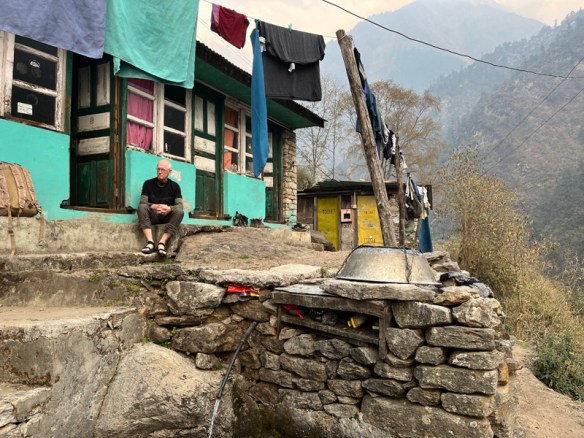
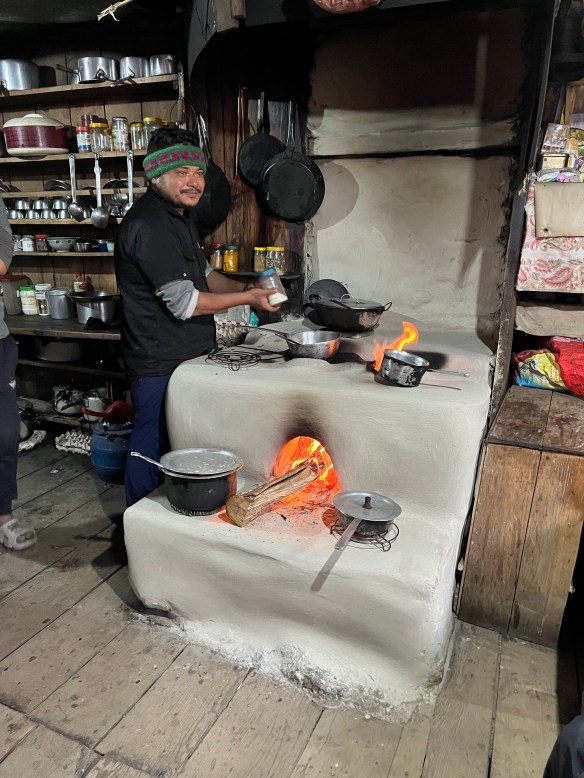
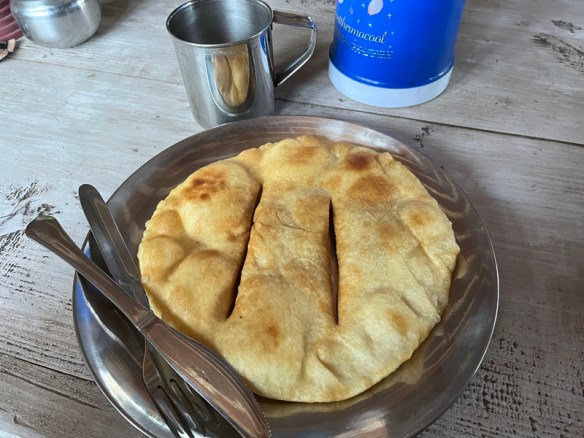
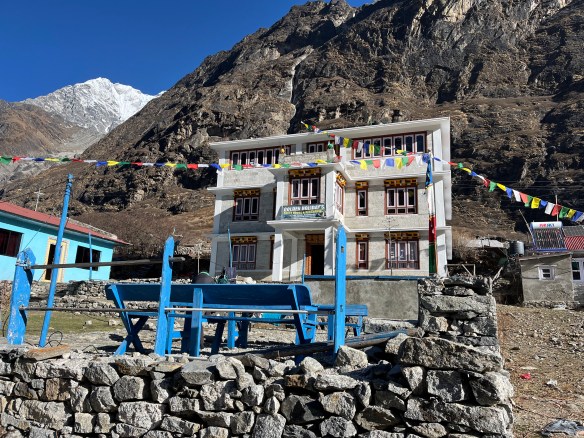
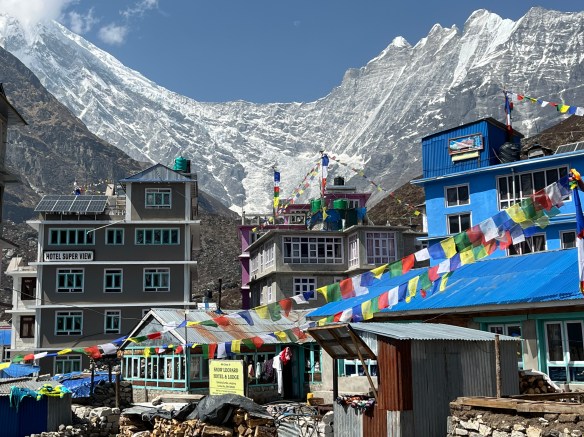
A tea house is what a sleeping- and eating-place is called in the Himalayas. The tea houses themselves speak of Hotel, Guesthouse or Lodge, sometimes with names as Golden Holiday Hotel,…We slept in teahouses in Helambu, Gosainkunda and in the Langtang Valley. They are different and that is probably because some are only open in the season, for a few months. Others are inhabited all year round. They are houses with small two-person rooms. Houses where you are also cooked for. Dahl-Bath Tarkari is a well-known Nepalese dish. It consists of rice, a bowl of lentil soup, some mixed vegetables and a chipati. But noodle soup or Chow-Mein are also on the menu. For breakfast they often make porridge or they bake a pancake, omelette or Tibetan bread. Cooking is done on wood, sometimes in beautiful stone ovens.

When the sun has set, the temperature drops quickly. A central wood stove in the ‘dining room’ then provides some warmth. But even at the stove a coat is usually not superfluous. The bedrooms are unheated. And sometimes it is really cold there. Then sleeping with your clothes on and a hat is the way to stay warm. Sanitary facilities are sometimes inside, but sometimes you have to make do with a shared outside toilet.

It is primitive, but always clean and it is surprising how quickly you get used to it.

.

.

.

(3) Nepal – Langtang Valley

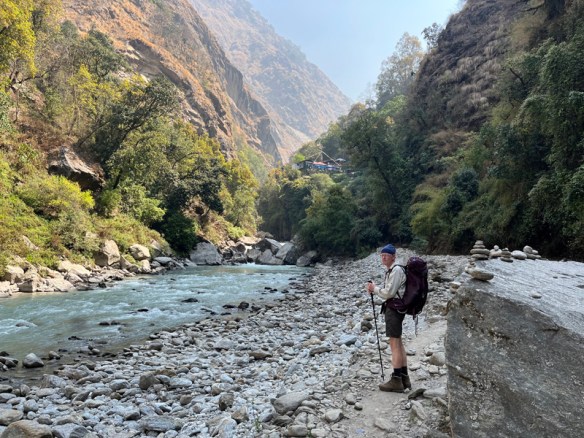
Langtang Valley, was the answer when people asked us where we wanted to go in Nepal. A trek in Langtang VaIley is a popular, fairly short hike if you take the bus to the startingpoint Syabru Bezi. We started not far from Kathmandu in the Helambu, a much less known area. From Tulo Syabru we walked to the valley. it is a route along the river that you walk back and forth.
The last village is Kyanjin Gompa at an altitude of over 4000 meter.

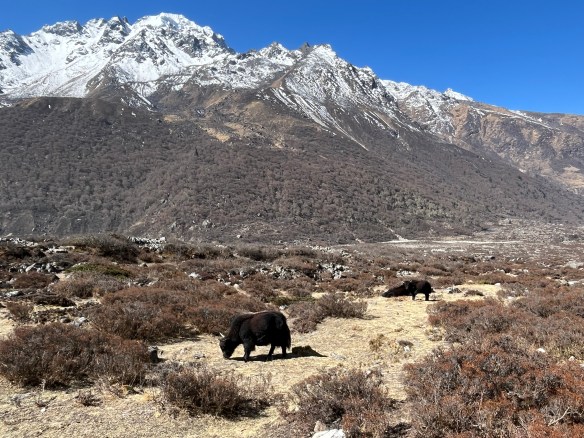
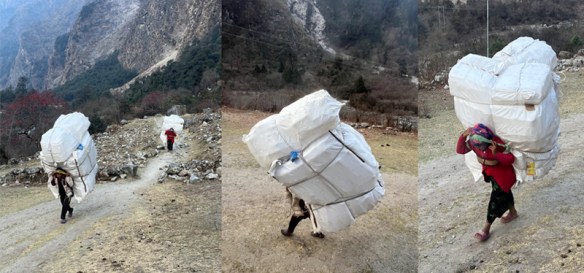
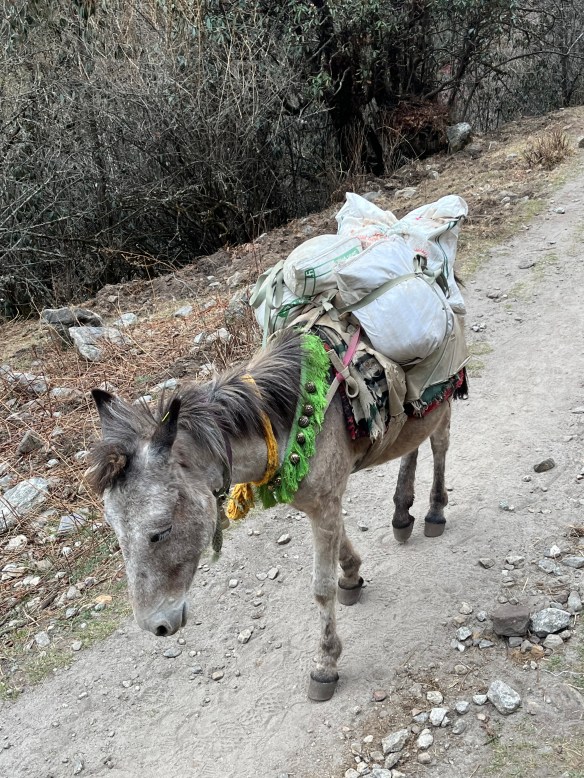
There is no road in the valley, only a path along the river. It means that everything that is needed is transported by porters or by horses.

.

.

.
.Namasté

(2) Nepal – Over the Suryakundapass to Gosaikunda

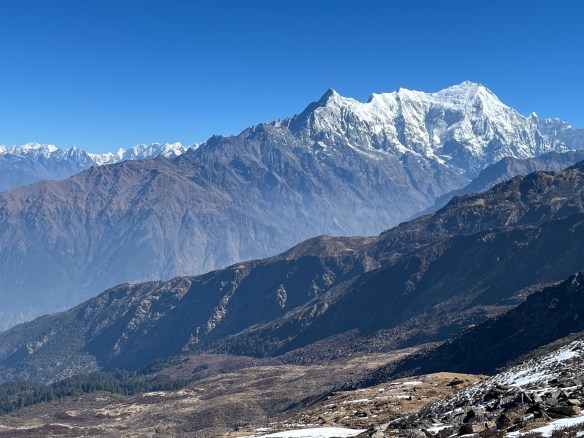
After a week of walking and gradually increasing ascent, the big challenge is the Suryakunda pass (altitude 4620 meters) to Gosaikunda. We have already passed the Thadepati pass (altitude 3650 meters). And that went smoothly.
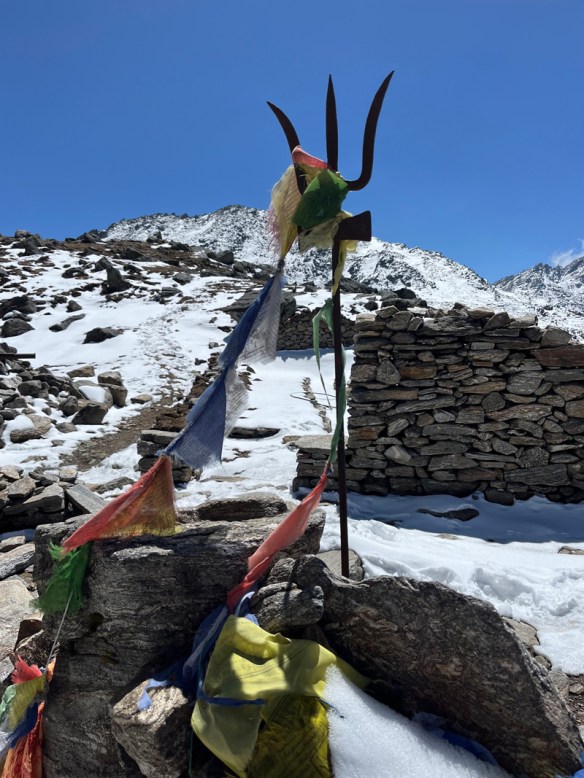
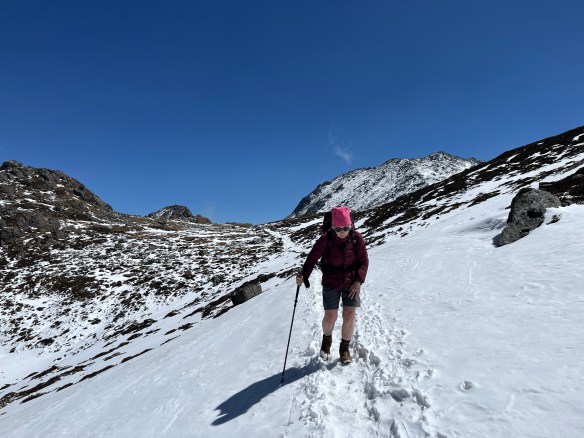
But the next day the altitude really became noticeable. We did not have altitude sickness, but our legs felt heavy. We therefore decided to stay in Phedi, in the lodge and make the crossing the next morning. We were the only guests there. The son, Chean, walked around and when we asked him, he was willing to help us with a backpack the next day, up to the highest point. The next day we left early. The landscape was bare, but beautiful. The pass could be seen from the start. It was tough, but beautiful. On the pass is the Trident of Shiva. Legend has it that the three holy lakes after the pass were made by Shiva by that Trident.

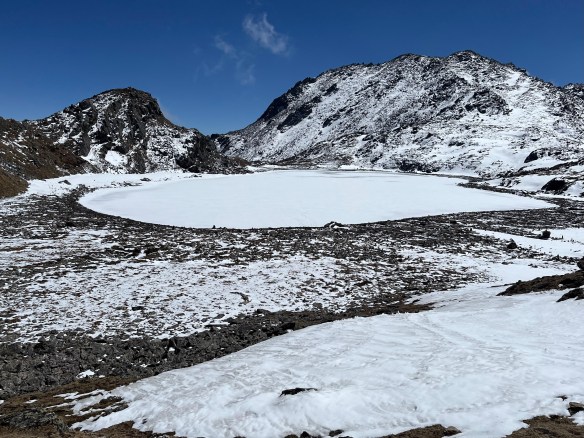
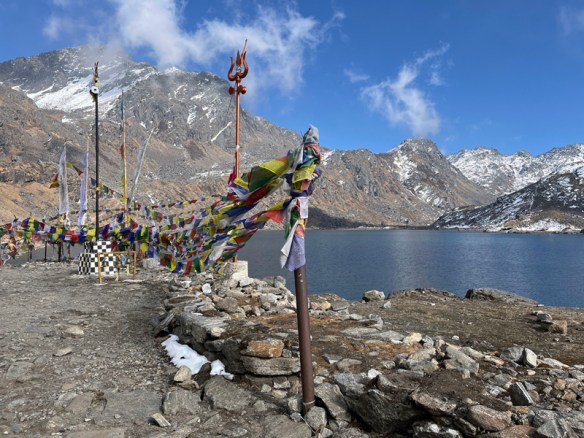
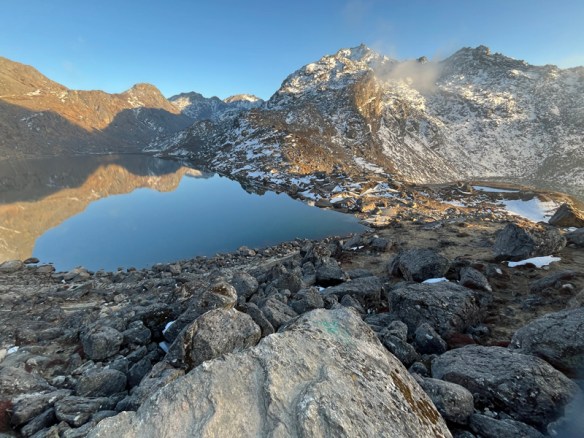
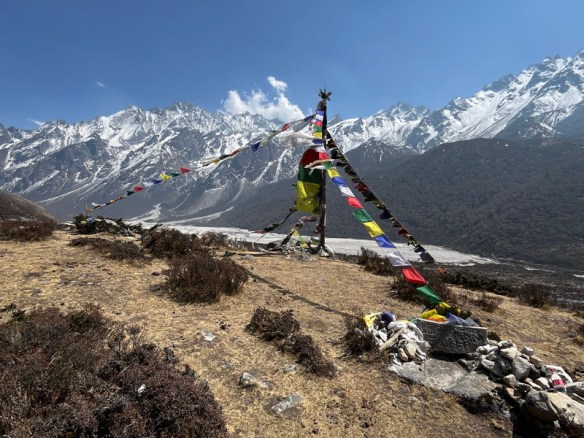
We rested on the pass. Chean descended again and we continued walking. The upper lake was frozen and still covered with snow. It was beautiful and so quiet. Only we were there. Footsteps were visible, and we followed them. Slowly down. We passed another lake and then there was the large holy Hindu lake. It is the place where many Hindu pilgrims go. We passed ceremonial places with many fluttering prayer flags.
Gosaikunda is a collection of lodges on the lake. We chose a room. It was cold, but at 5 o’clock the wood stove was heated.

.

.

.
(1) Nepal – The Dog and the Snow

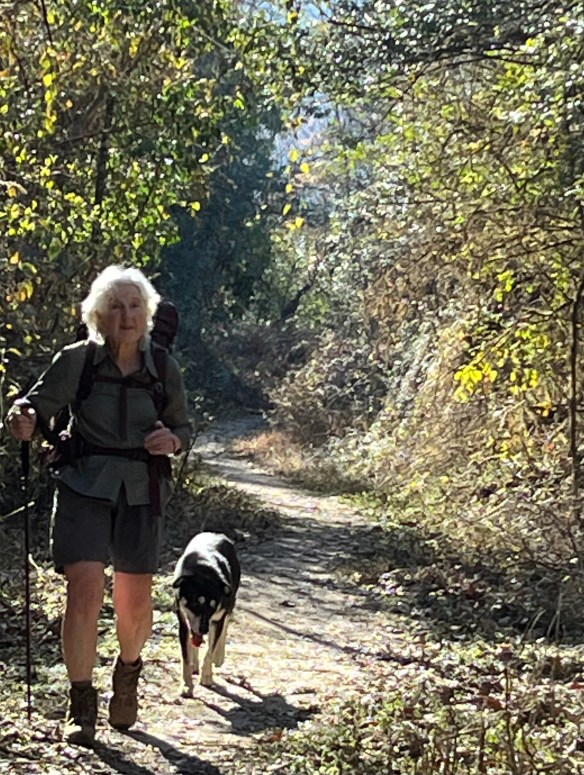
Throughout the Helambu, from the very first day, we had the company of a nice dog; it really became a friend

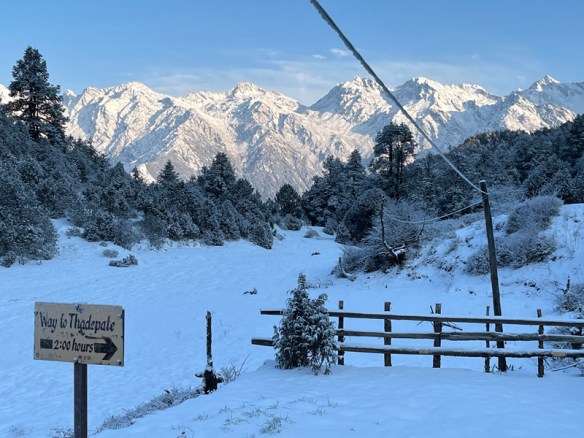
In Magingoth, still in the Helambu, we arrived quite early and we were in doubt whether to stay or continue to the pass and beyond. We walked a bit further, but when we saw the sky getting dark we turned back. And what luck. Not much later a heavy thunderstorm started and it started to snow.

The next morning the sun was shining, the snow was still there. it was magically beautiful.

.

.
.

Bilbao and the Guggenheim

Bilbao was the end point of our tour. And we enjoyed it there. The visit to the museum and the surroundings of the building was a great experience. 

Nice was also the Mercado de la Ribera, the large covered fresh market, where we ate pintxos with a glass of cold white wine. 

In the Casco Viejo, the old city district, we enjoyed a Menu del Dia.

You could see the Guggenheim Museum as the icon of Bilbao. The building has been standing on the Nervion river since 1997. The building is spectacular and has given Bilbao a vibrant image. The design is by Frank Gehri and cannot be compared to any building.
The use of titanium was new. It is beautiful in the ever-changing light and that together with the shapes give the building an idea of ​​waves.
Louise Bourgeois’ giant spider stands on the square along the river. By Anish Kapoor there is the ‘Tall Tree & The Eye’: reflective spheres stacked on top of each other.

.

The Guggenheim Museum Bilbao is one of three Guggenheim Museums around the world alongside Peggy Guggenheim Collection in Venice and the Solomon R. Guggenheim Museum in New York. The museums belong to the Solomon R. Guggenheim Foundation in New York.

.
Sri Lanka – The coast and the ocean

Sri Lanka is an island south-east of India in the Indian Ocean. An island has coasts.
We started our trip in Negombo, near the airport. Here we could get used to the warm temperature and the time difference.
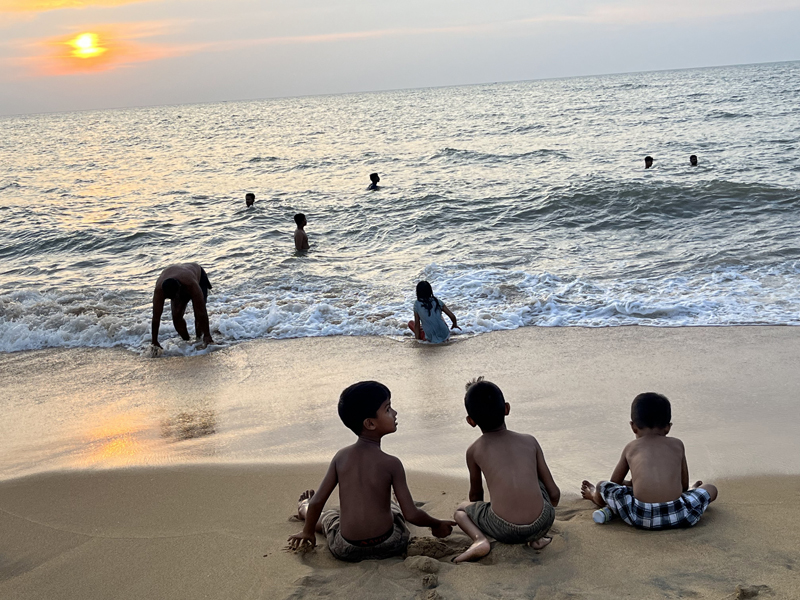
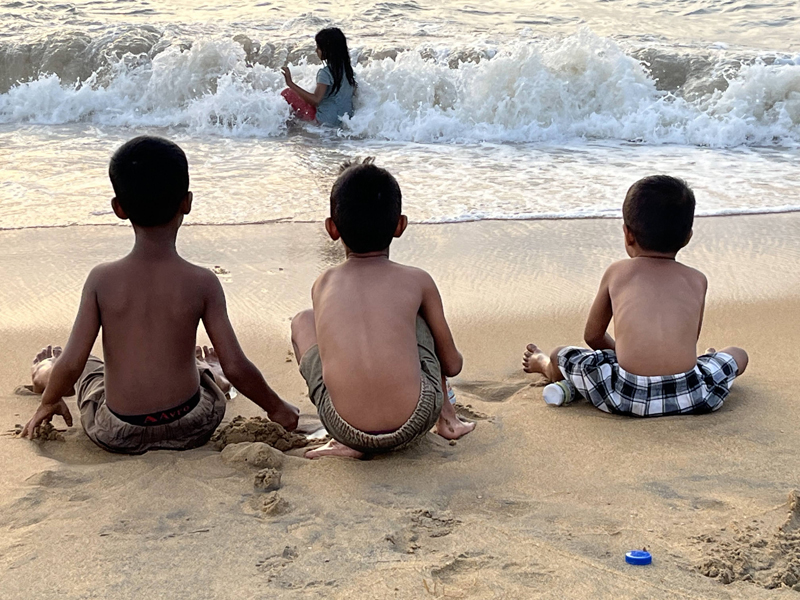
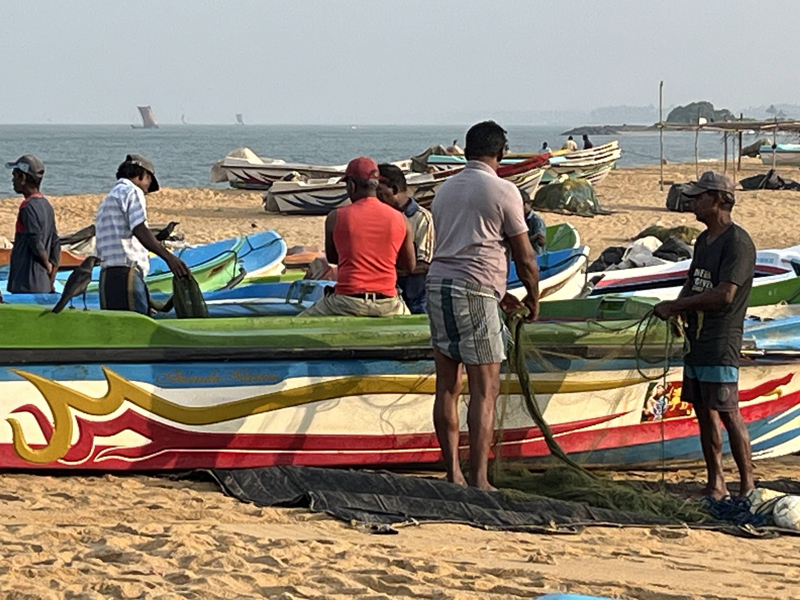
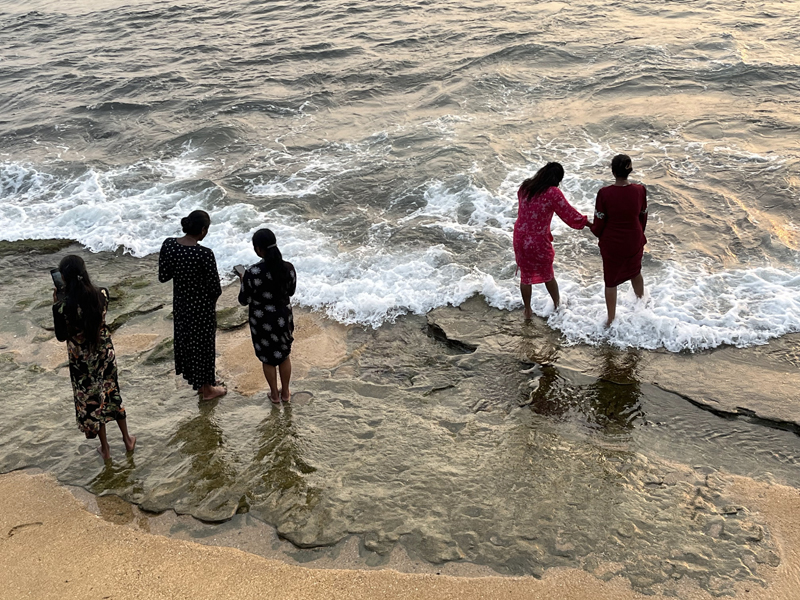
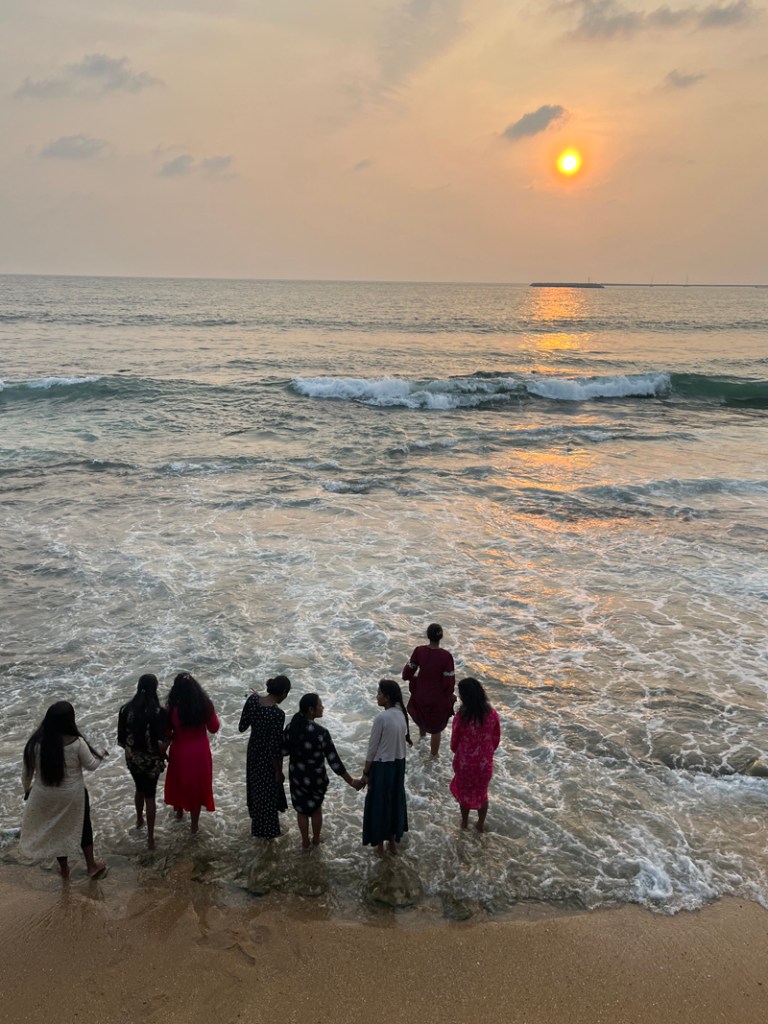
In the morning, before breakfast, we took a walk along the beach. It was still relatively cool. At that time there were sportsmen and the fishermen preparing their boats.

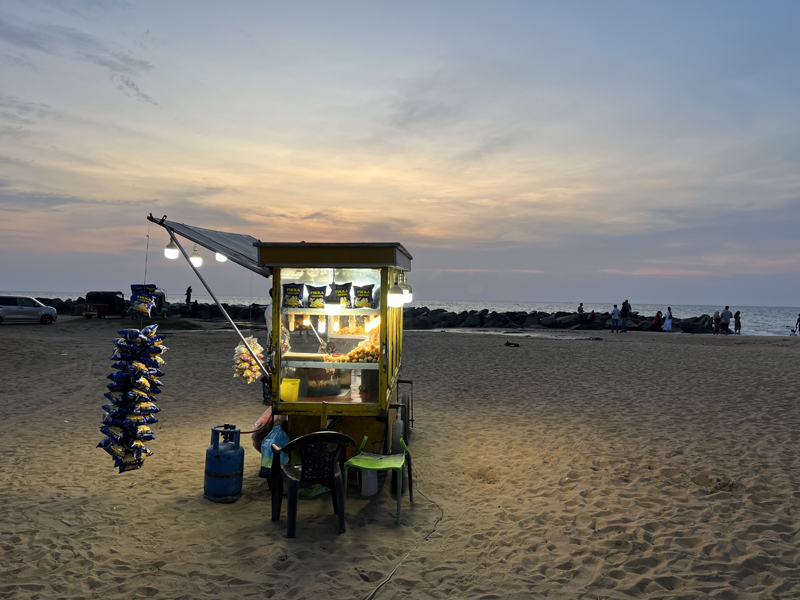
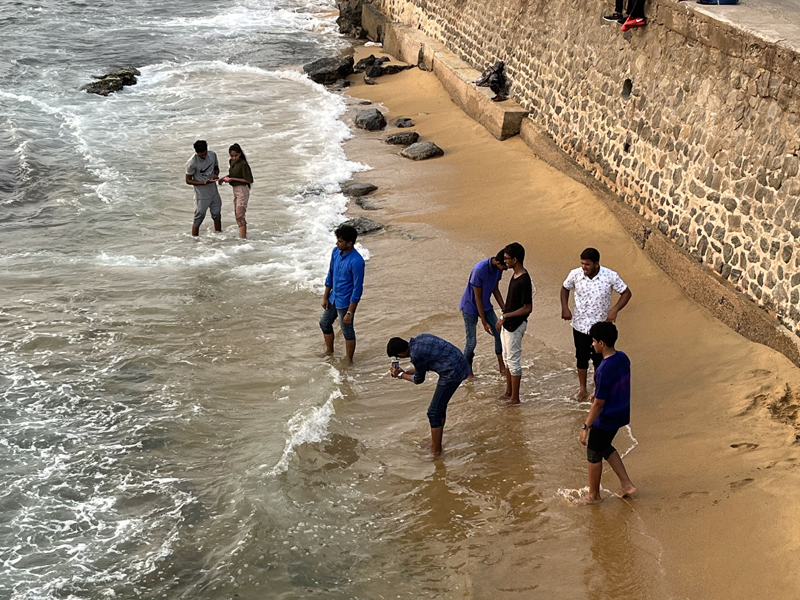
We also walked along the new boulevard in Colombo, the big city, at the end of the afternoon. Recreation time there too. Strolling, putting your feet in the water, eating a snack …

.

.

Sri Lanka – Galle Fort

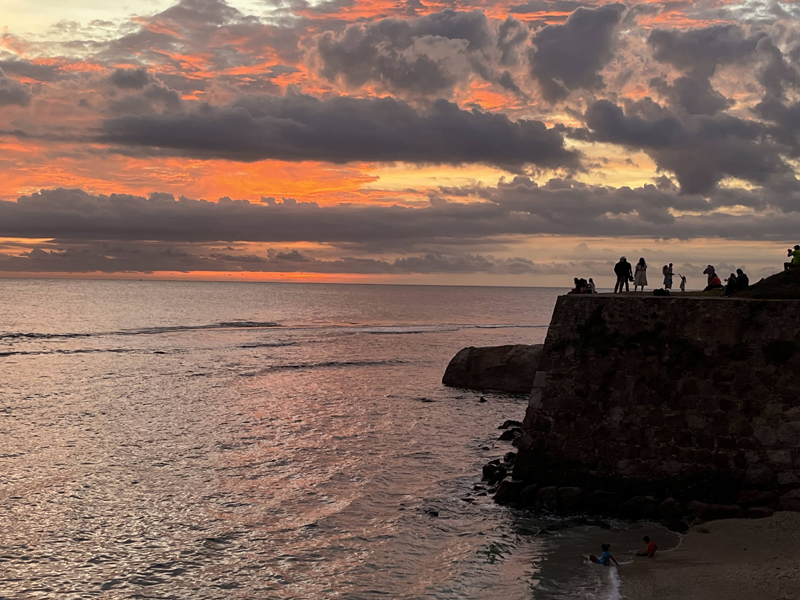
Galle is a fortified town on the south coast of the island and is now a Unesco world heritage site.

The Dutch VOC was very active in Asia and has also left its marks in Sri Lanka.
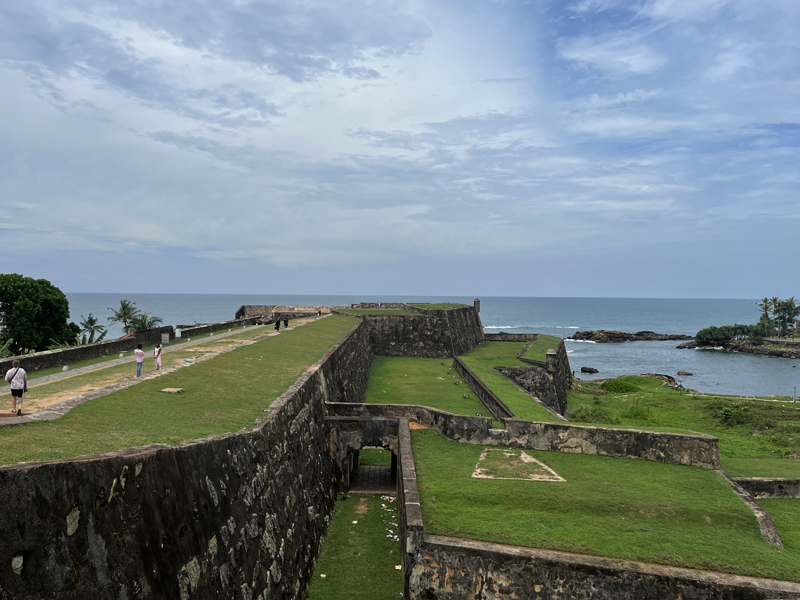
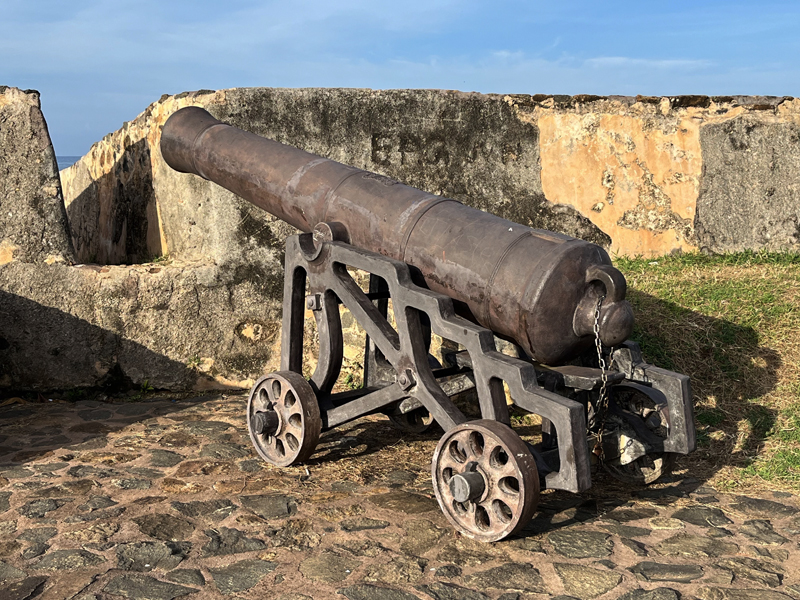
The Portuguese built fortress here, but the Dutch overpowered the Galle Fort and took over the city. Galle Fort was an important spice trading port for the Dutch. They enlarged the stronghold after the conquest in 1640. They build a defensive wall, complete with bastions, powder magazines and cannons. And this is well preserved.

Some names, such as Utrecht Bastion, where the lighthouse is located, Zwart Bastion and Akersloot Bastion still remind us of the Netherlands.

Inside the fort there are white houses with red tiled roofs. There is still a Dutch church.

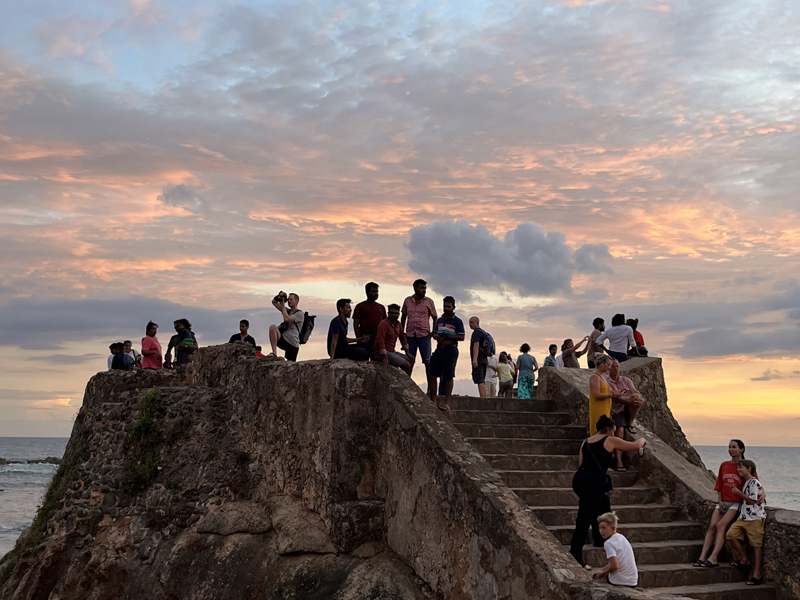
The rampart wall is a favourite place for both tourists and residents of Galle to enjoy the sunset.

.

.
Sri Lanka, The Pekoe-trail

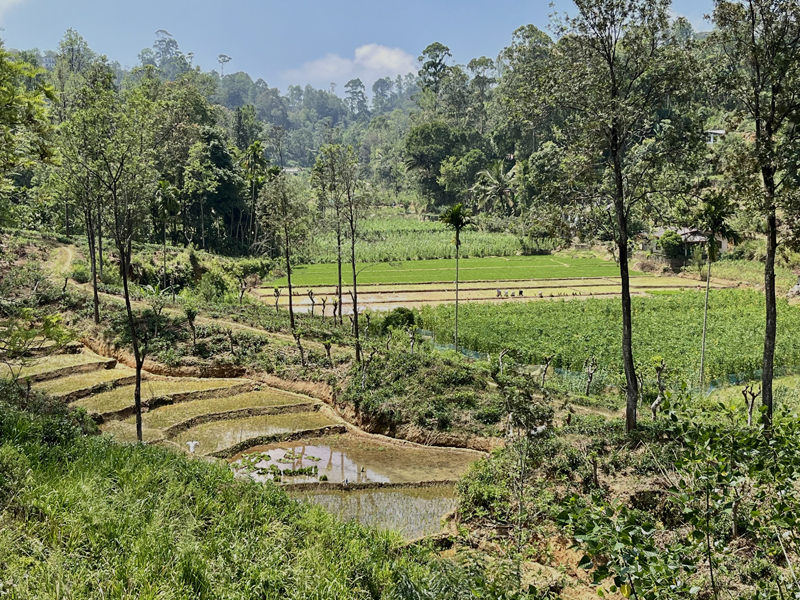
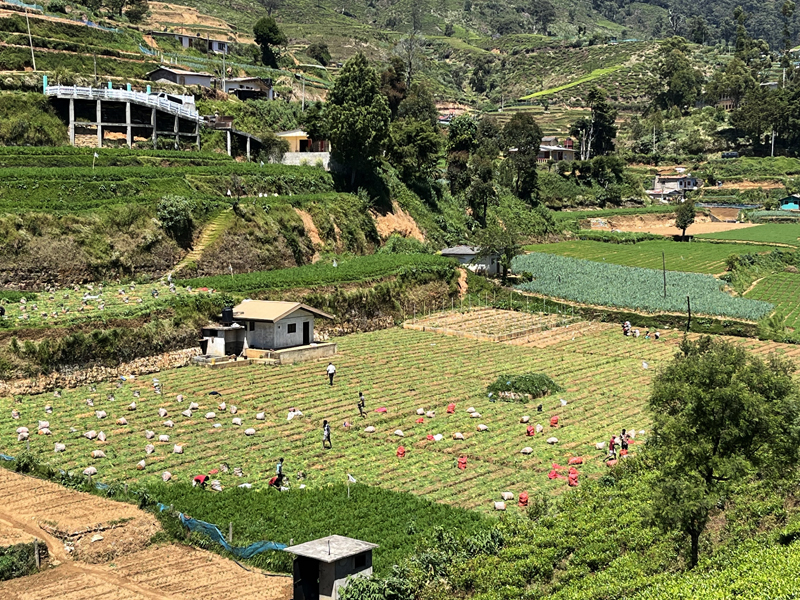
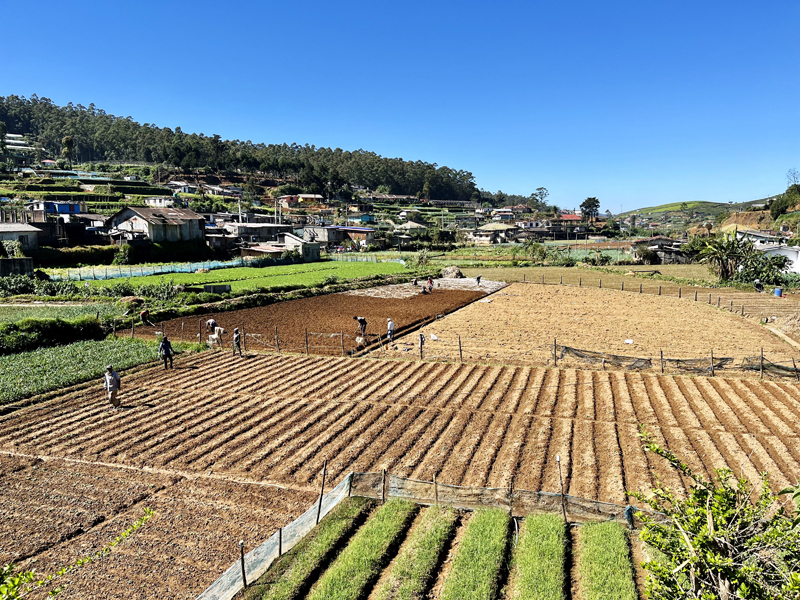
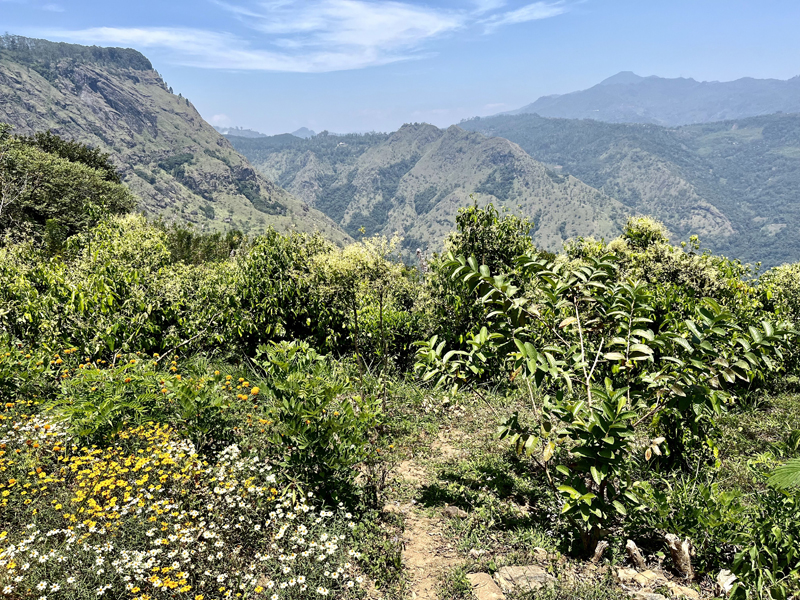
The Pekoe Trail runs through the mountain landscape in the central part of Sri Lanka; a 300 km long distance walk, divided into 22 stages. The trail shows the diversity of the region. The route runs through tea plantations, small villages, horticulture and forests.

We walked a few parts of the trail using the All Trails app.

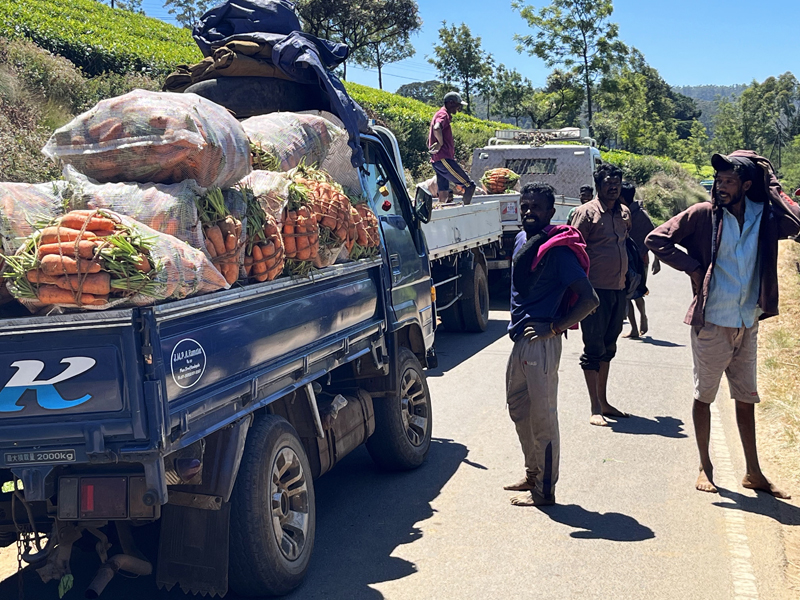
For us it was a wonderful way to experience the local life of the country. People on the road, the tea pickers, the people in the horticultural areas and in the communities were very friendly. We didn’t meet many other hikers, perhaps because it is also warm in the mountains.

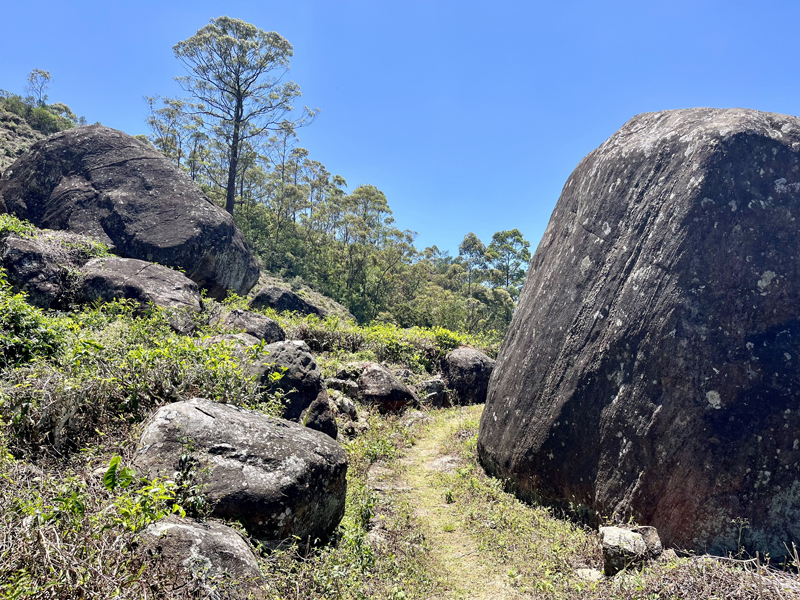
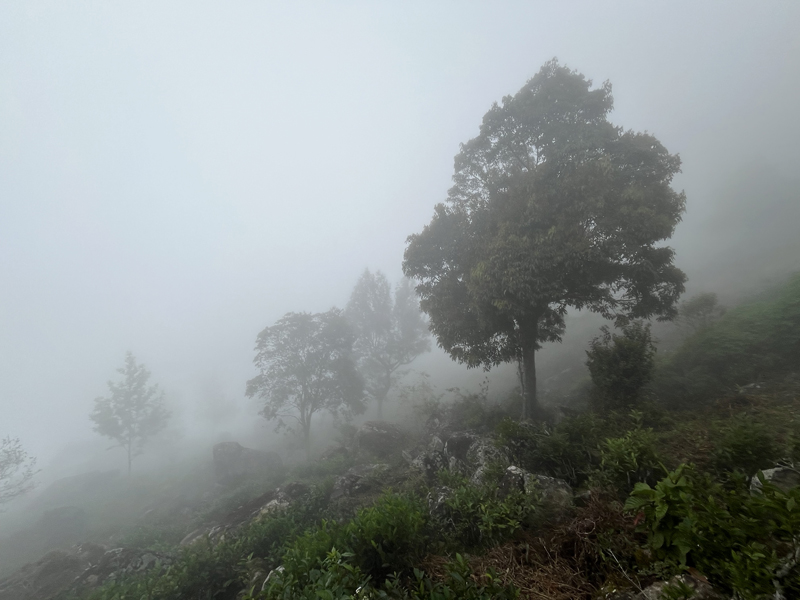
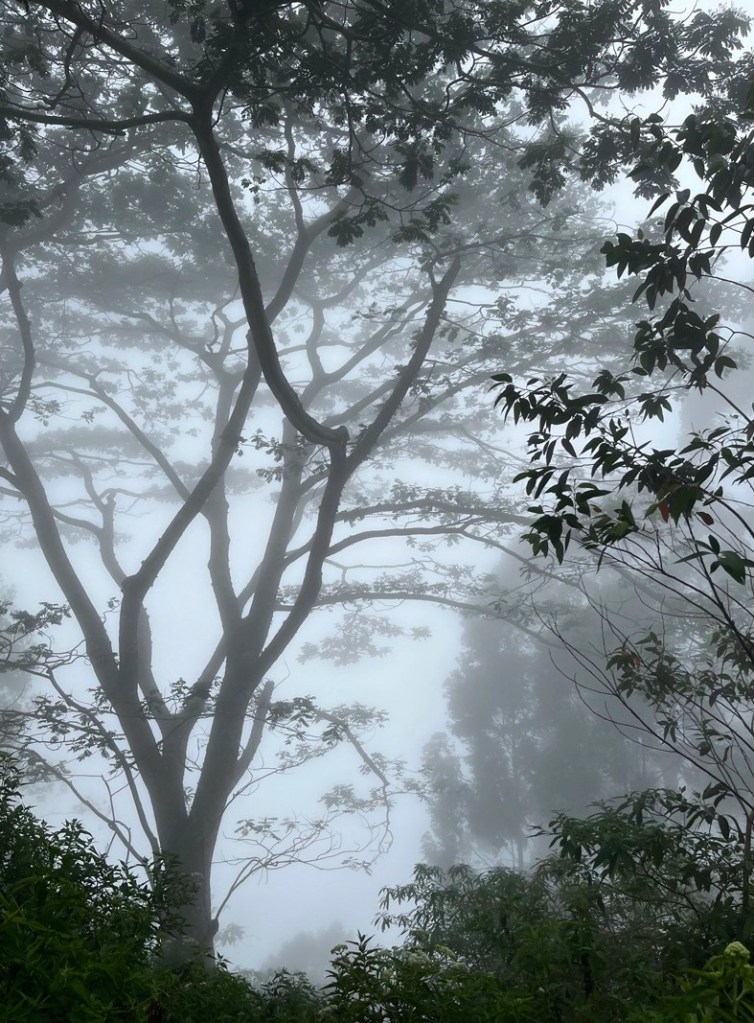
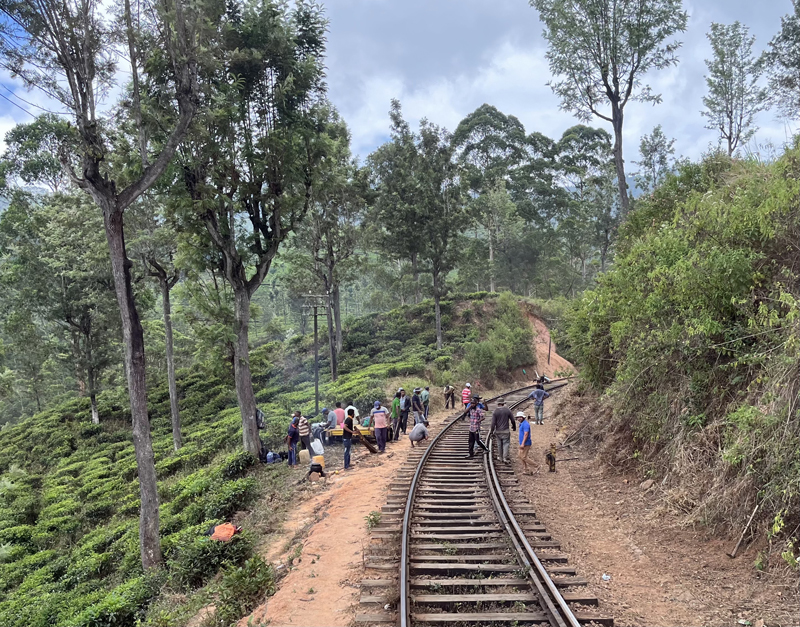
Our last walk was the longest and most spectacular. We walked from Ohiyo, a high station (1778m) , to Haputale. We started in the fog and walked along steep slopes. In the forest we climbed over fallen trees. The path is sometimes so narrow that we have difficulty finding it. The landscape is sometimes rugged and beautiful. The route also partly goes over the railway and even through a railway tunnel. It will also rain for the first time. There are no rest points. After 20 km there is the hotel, a shower and food.

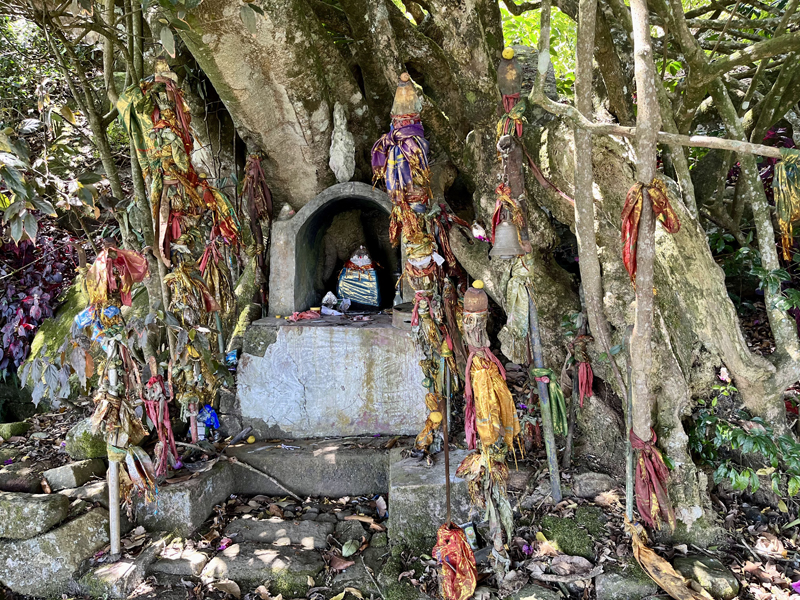
Along the way we came across Hindu shrines near enormous trees.

.
https://www.thepekoetrailsrilanka.com

.
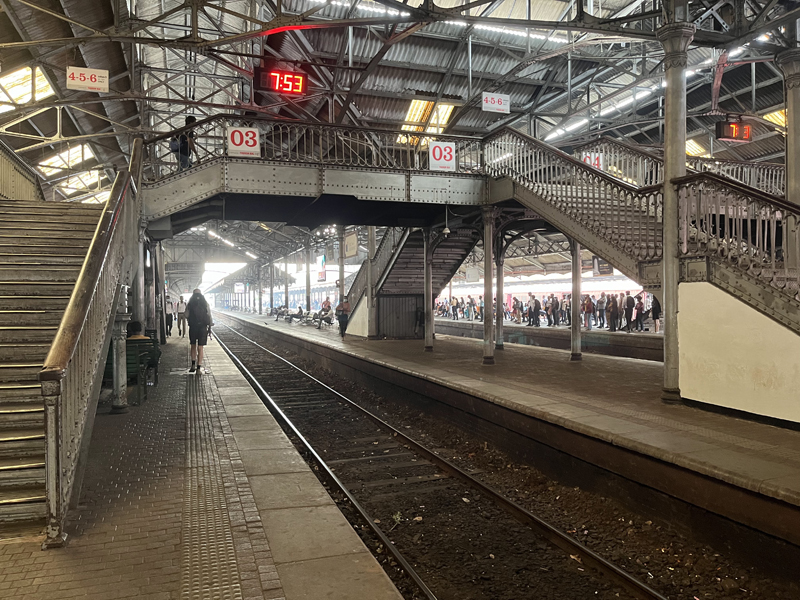
Sri Lanka, the train and railway stations

Tea and trains belong together. There are railways in Sri Lanka because of tea.
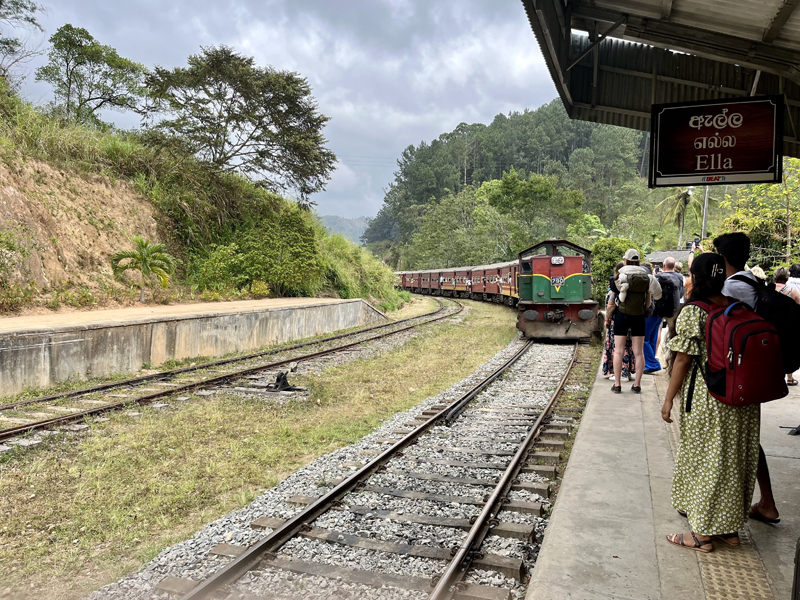
The English who were the tea producers in the 19th century built the railways to transport the tea from the mountains to the port of Colombo.

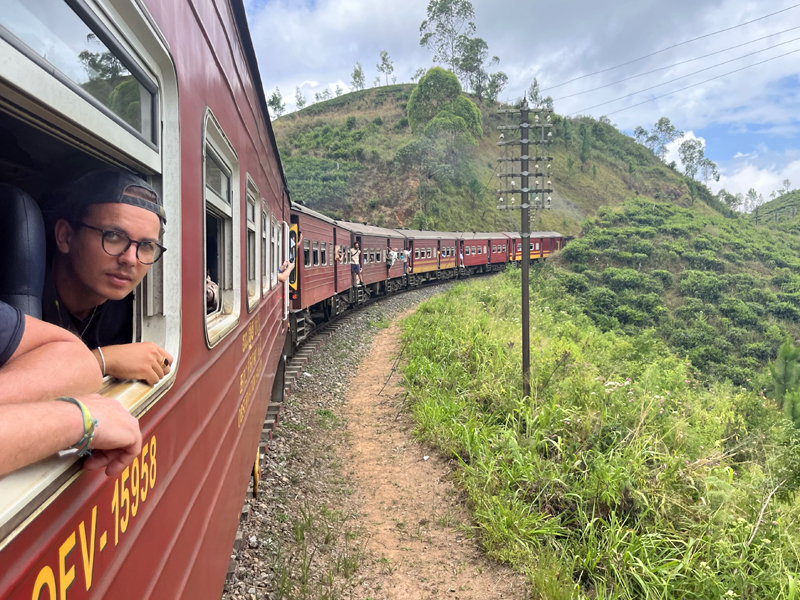
It is amazing how the routes were built in the high mountains. The Ohiyo station is located at an altitude of 1778m. There are many tunnels on the routes. From behind the open windows of the train you have a view of the slopes with tea plantations.

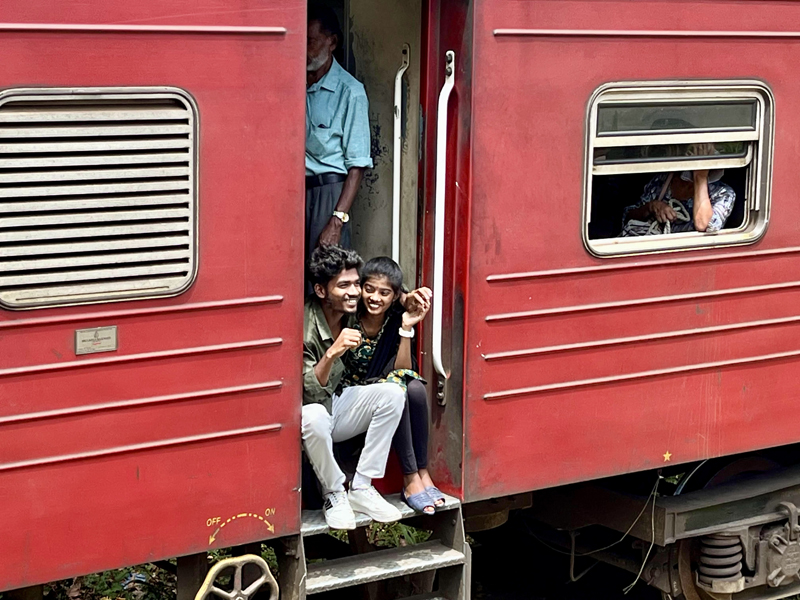
Traveling by train in Sri Lanka is a special experience. We took the train several times to our next destination. Fortunately, we travel with a backpack that is not too heavily packed. That makes traveling by train a lot easier.

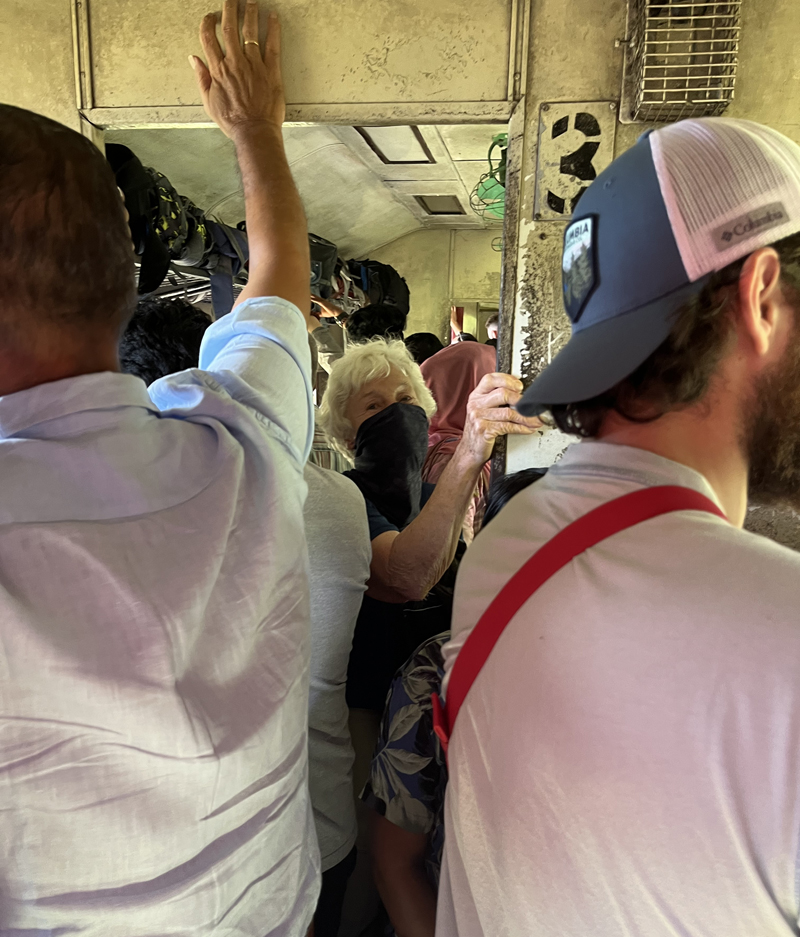
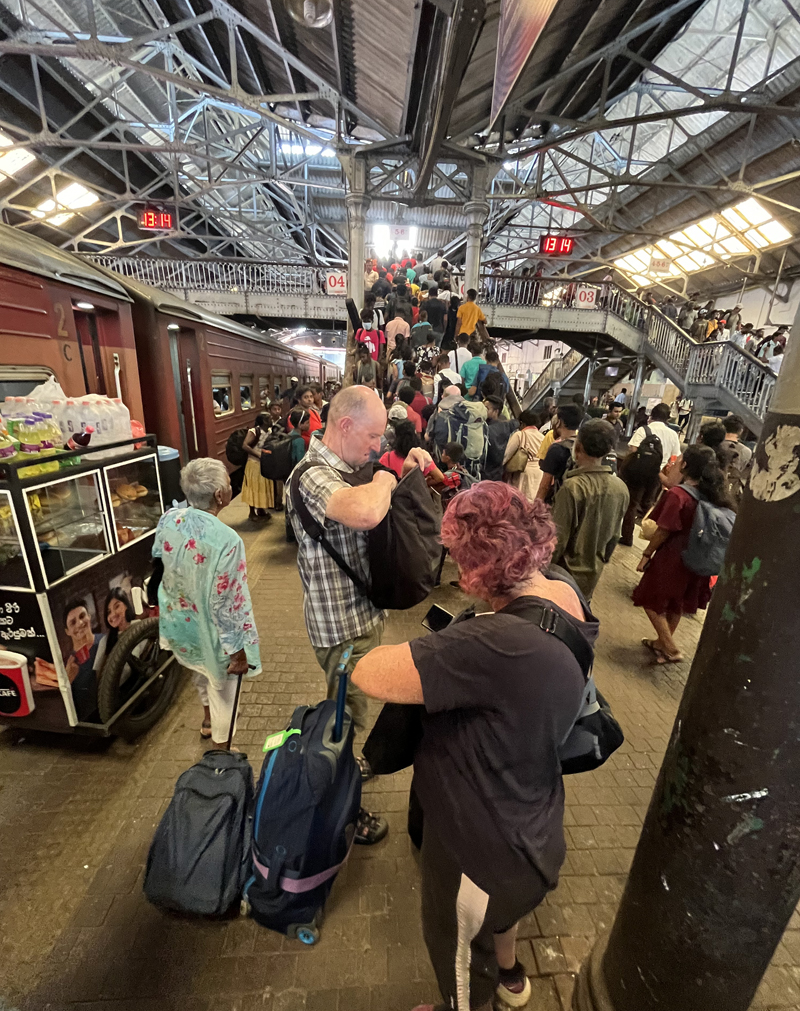
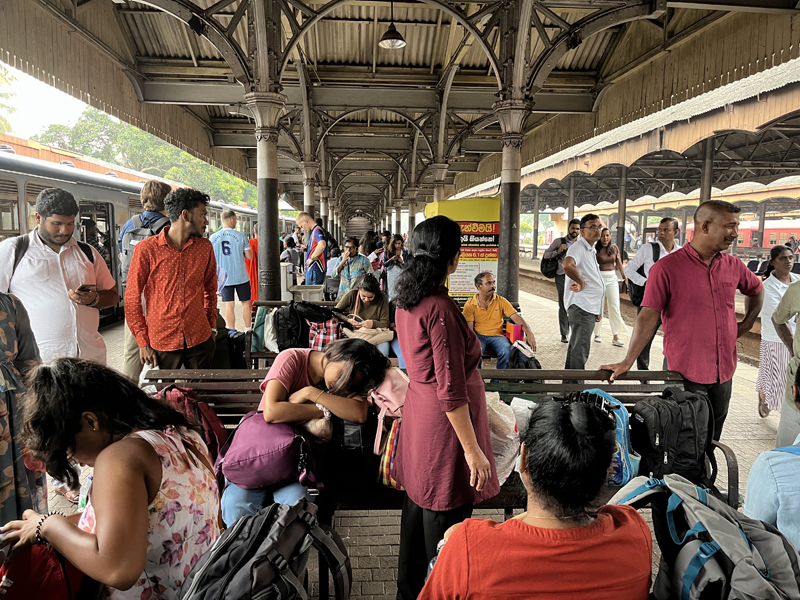
Twice we had a reserved place. But on the other routes we just had to wait and see if we could sit. Sometimes the train was so full upon arrival at the platform that we thought we would no longer be able to get in. But with fitting and measuring….

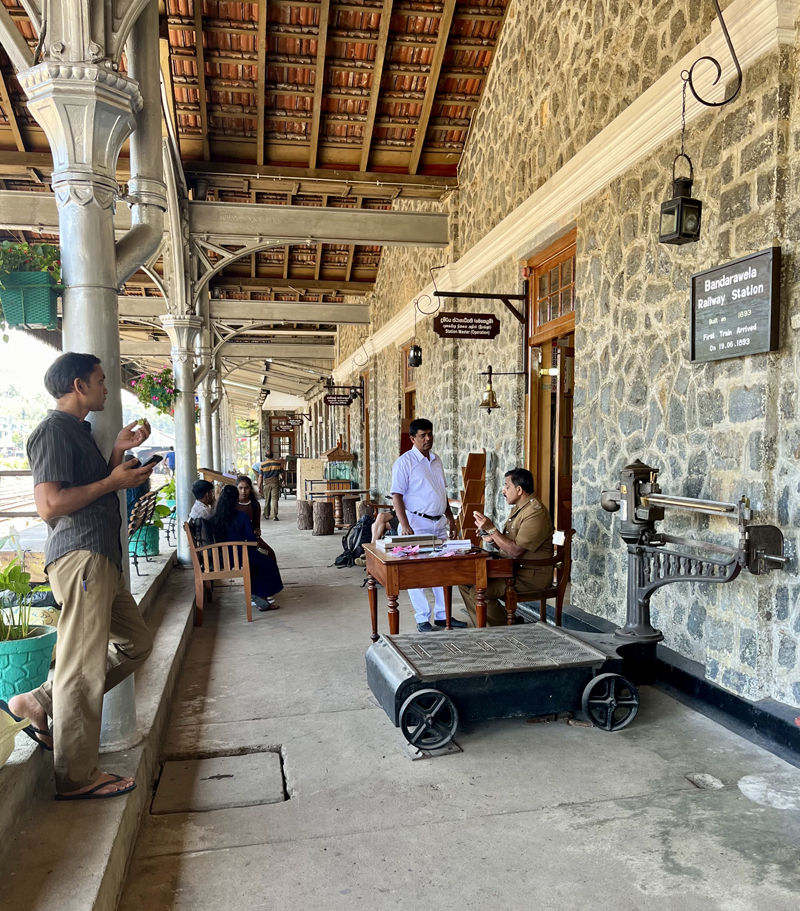
Several stations with cast iron pillars are special places.
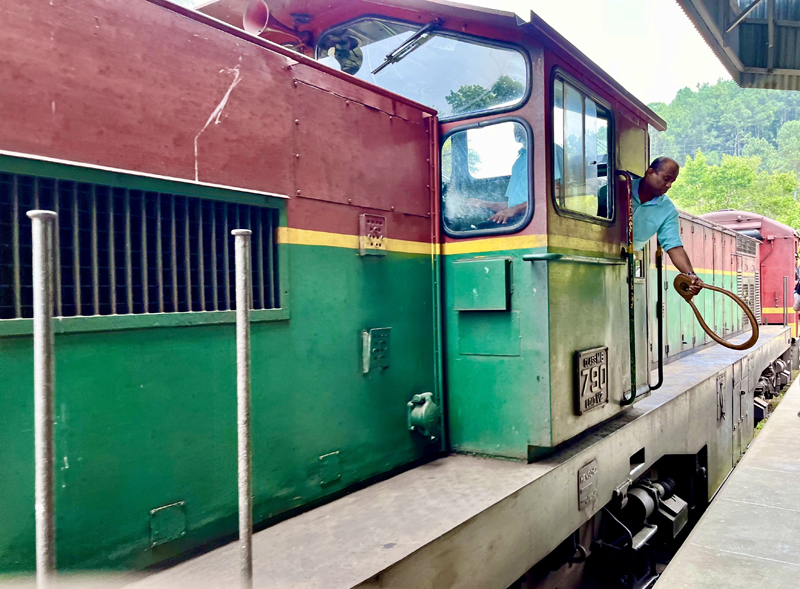
The trains are old now, but the station employees are looking great in green or bright white uniforms.

The train tracks are used by the locals as a walking path to get to the next town more directly.

Taking the train in Sri Lanka is an hype by tourists.

.

.