In Ribadeo we said goodbye to the ocean. From there we walked south-west into Galicia. We past Lourenza, Gontan-Abadin, Vilalba, Baarmonde, Parga, Sabrado dos Monxes, Arzua and O Pedroso to Santiago de Compostella.
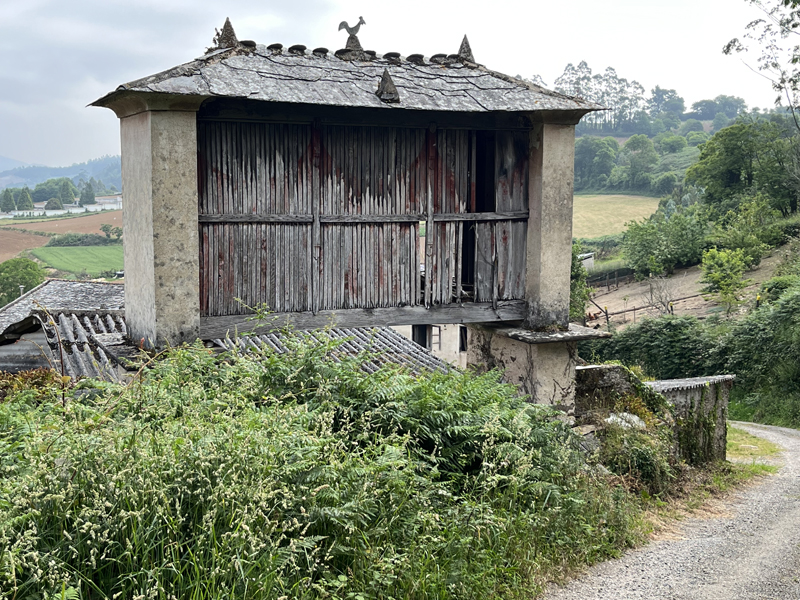
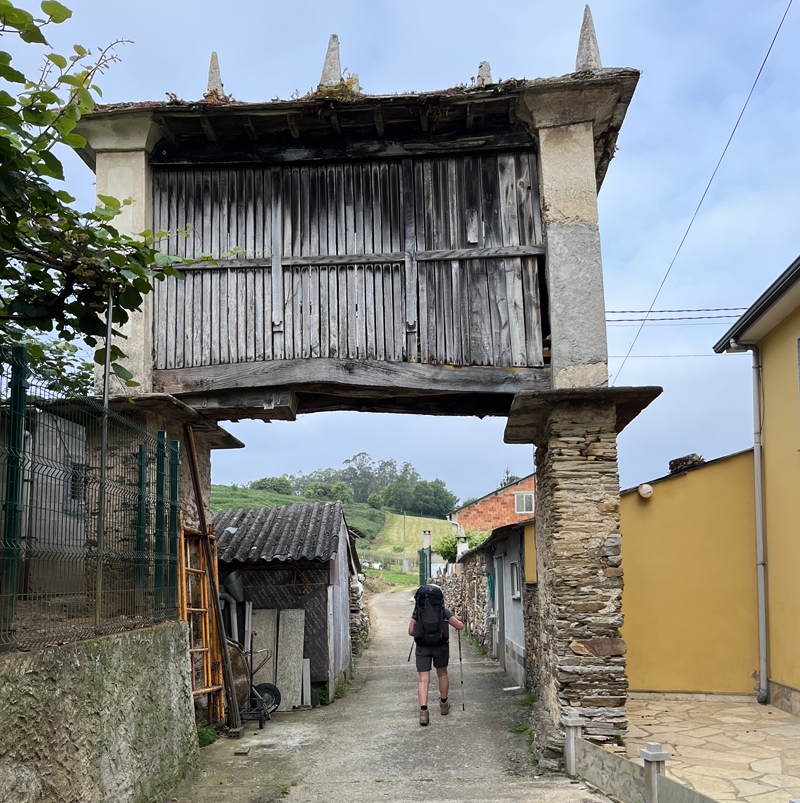
In Galicia you see the horreos everywhere, the storage sheds on stilts. They are used for storing corn, among other things. The flat stones are protecting the crop against vermin.
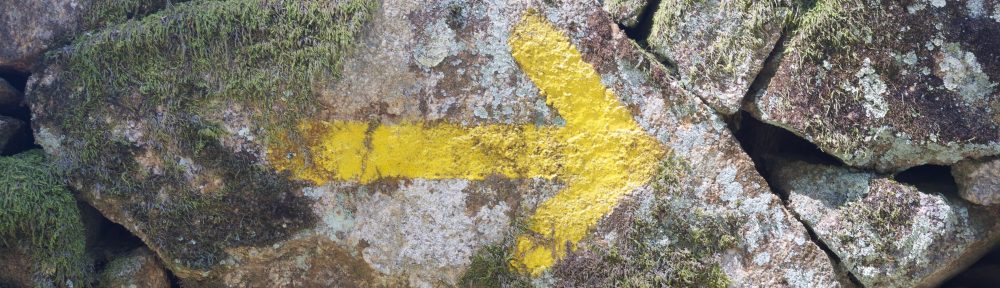
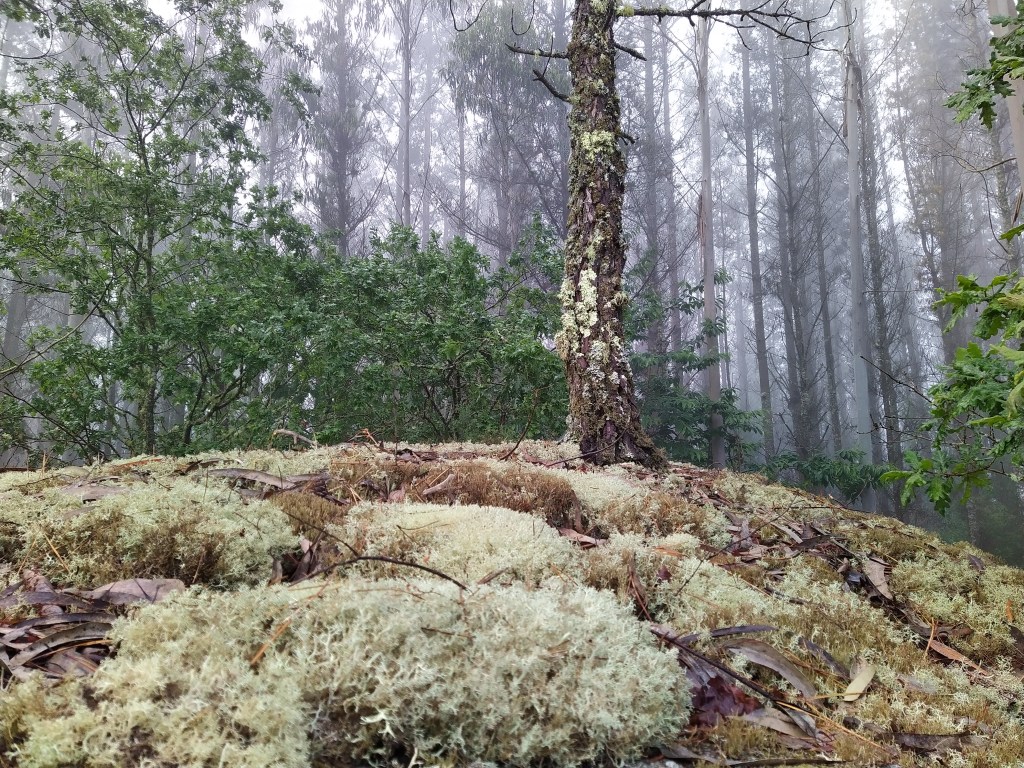
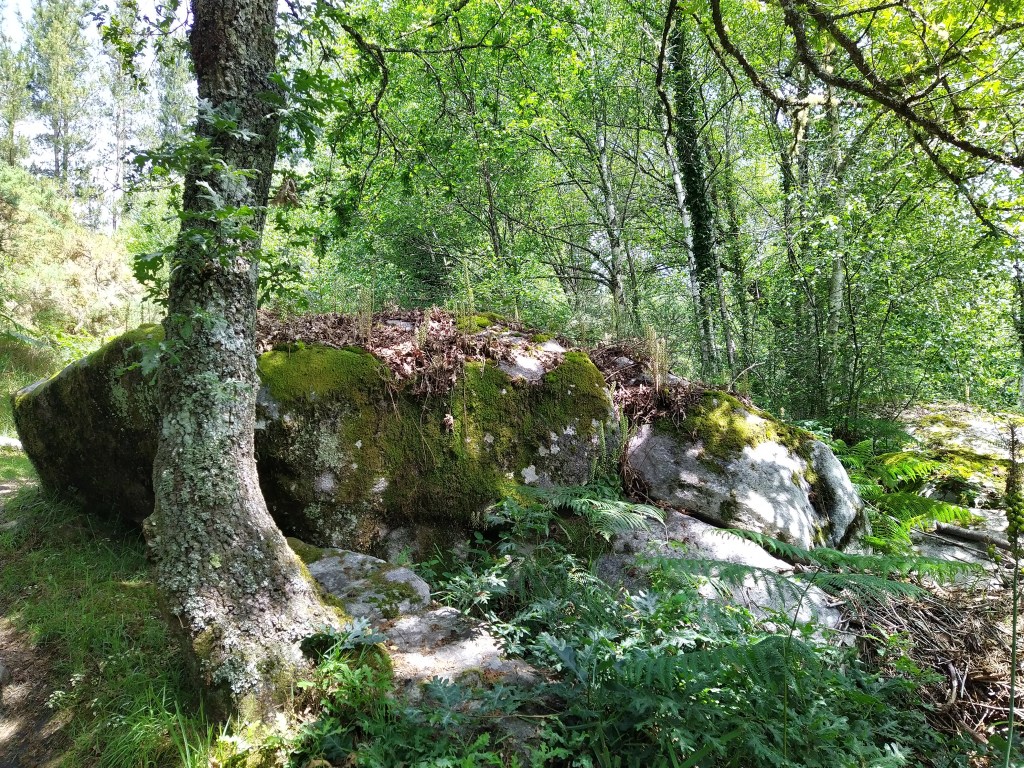
The lichens on the many stones along the path are beautiful.
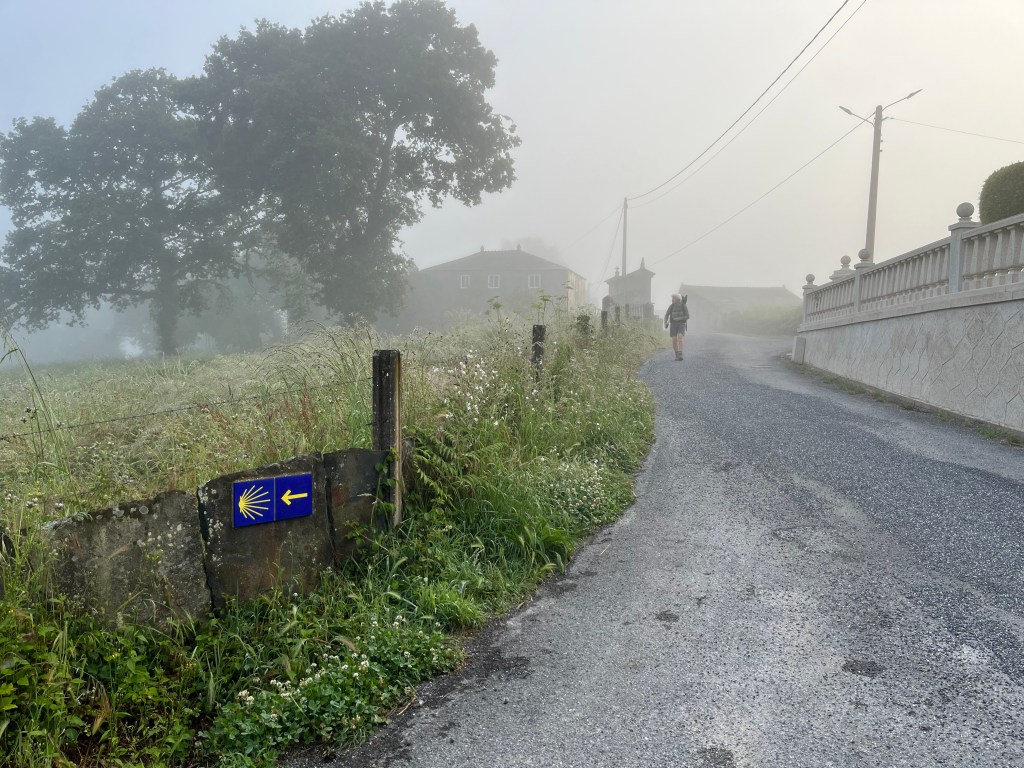
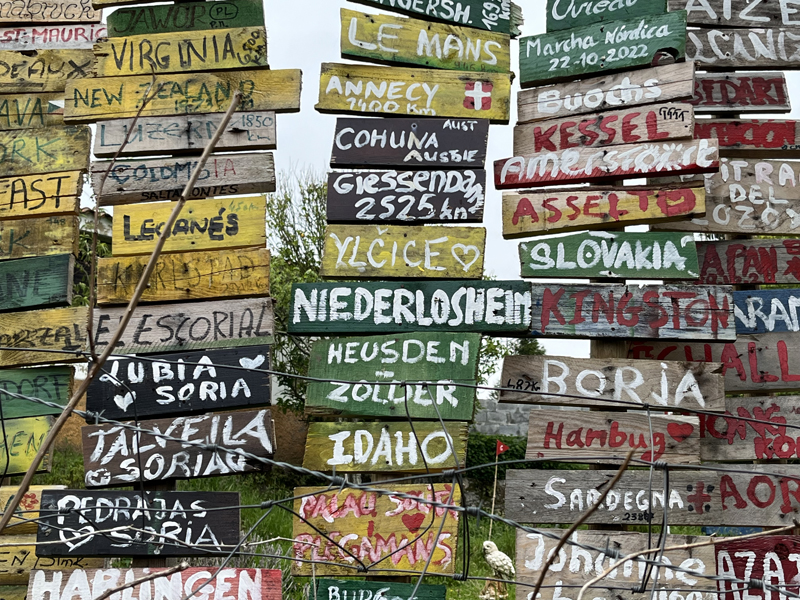
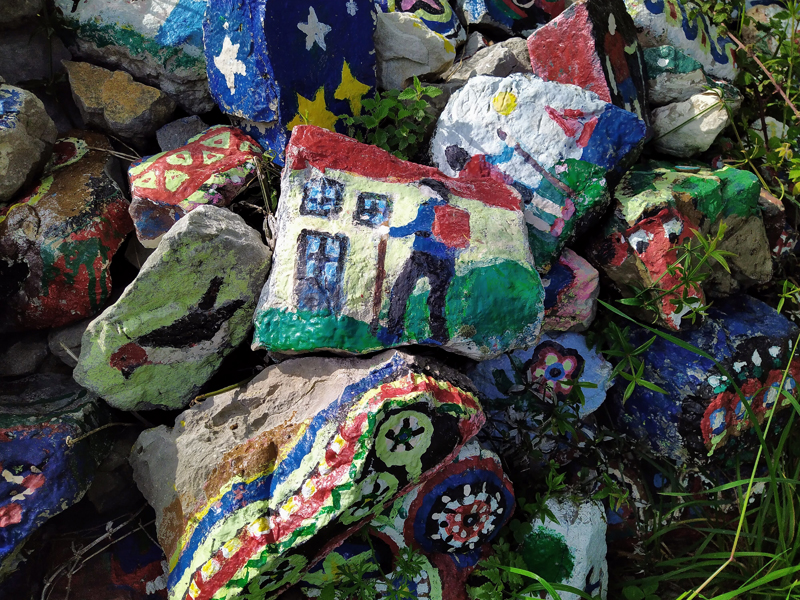
The Camino del Norte is also a pilgrimage route to Santiago de Compostella. This route is different from the popular camino Francès; there are fewer churches or chapels. And those that are there are usually closed. I have not discovered the pilgrim stories from the Middle Ages here. It’s much quieter. But even if you walk alone for hours, you will see the signs of other walkers along the way.
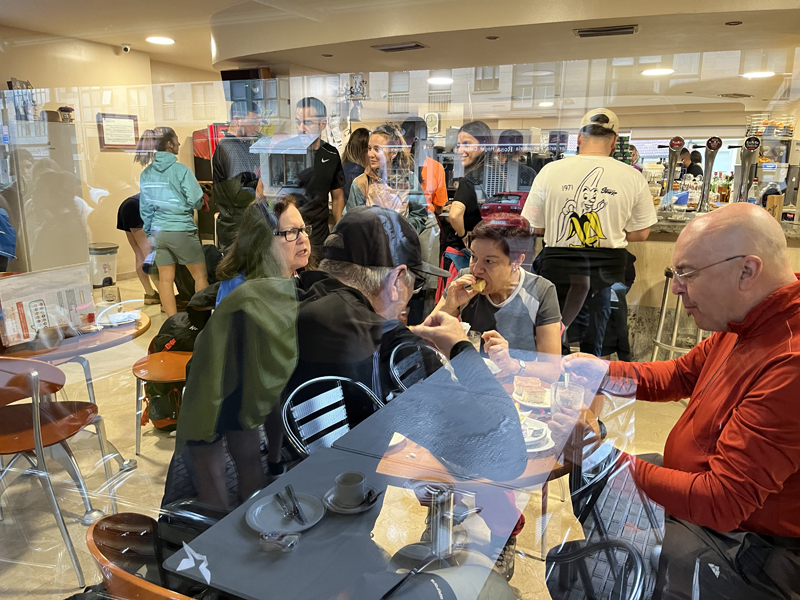
It was quiet, but we were certainly not the only hikers. The route has sections and so we meet other hikers in the towns at the end of a distance. Sometimes we didn’t see them for a few days, and then unexpectedly we run into each other again. Other pilgrims are very easy to approach, because everybody is doing the same thing. There is a sense of kinship or togetherness. You drink a glass of wine together, or sit at the same table for the Menu del Dia. But you also let go and say goodby.
This is a double crucifix, somewhere near a chapel in the middle of the forest. It is a typical Galician image. It shows the crucified Jesus, but the other side has room for Mary.
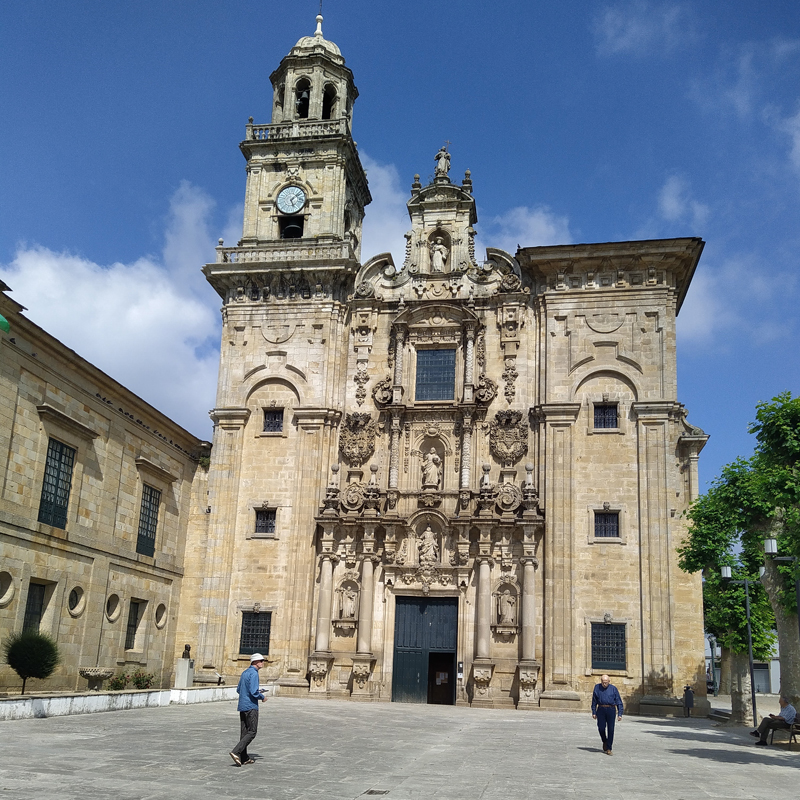
The architect who built Santiago Cathedral also built this one in Lorenzo.
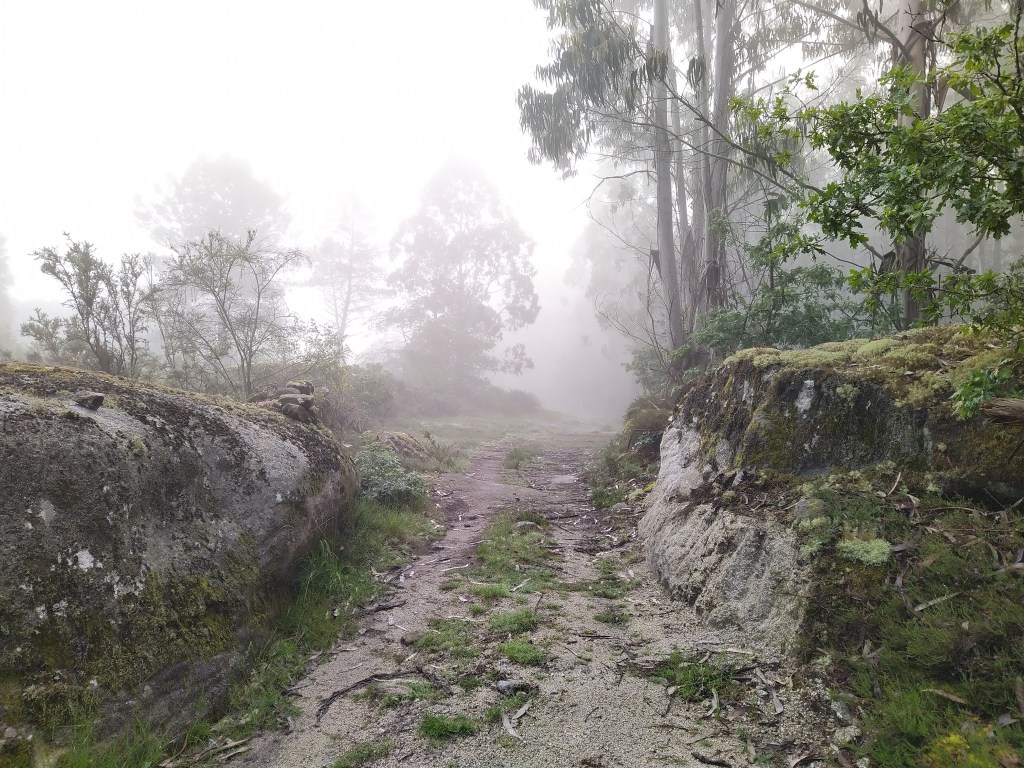
The sun did not always shine in Galicia either.
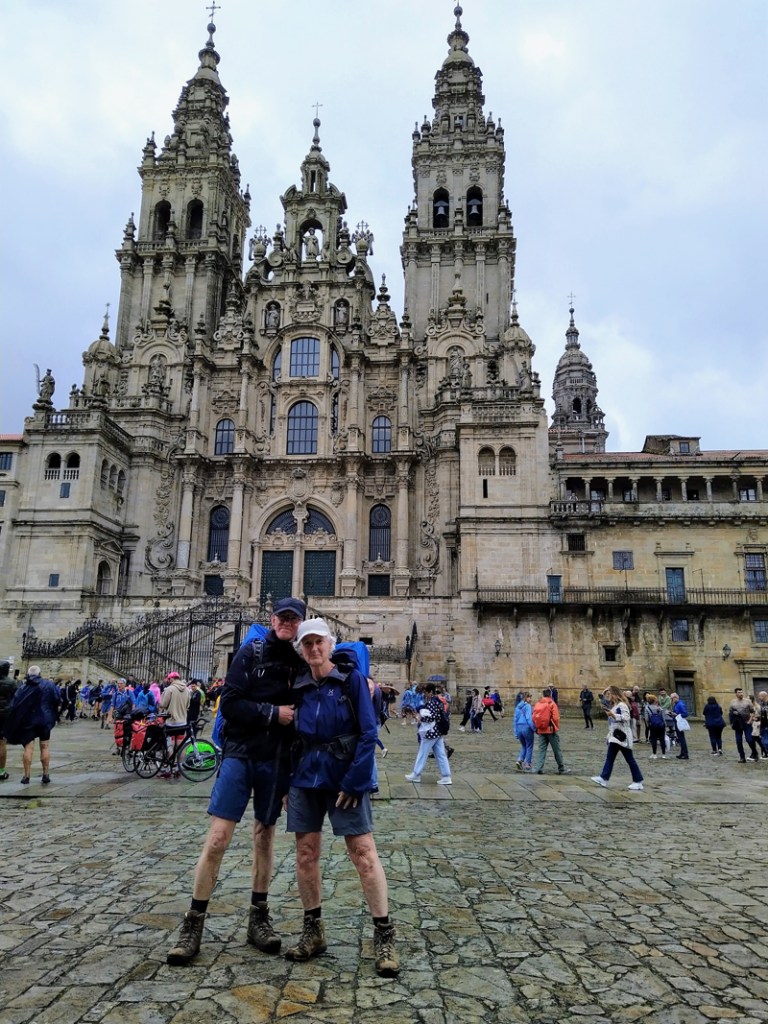
The last two stretches to Santiago, the route runs together with the Camino Francès. It is therefore noticeably busier.






 about walking and cycling, ...