
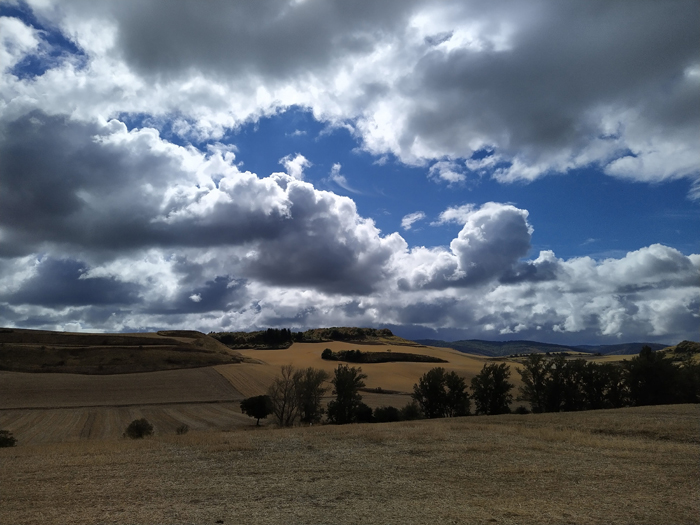

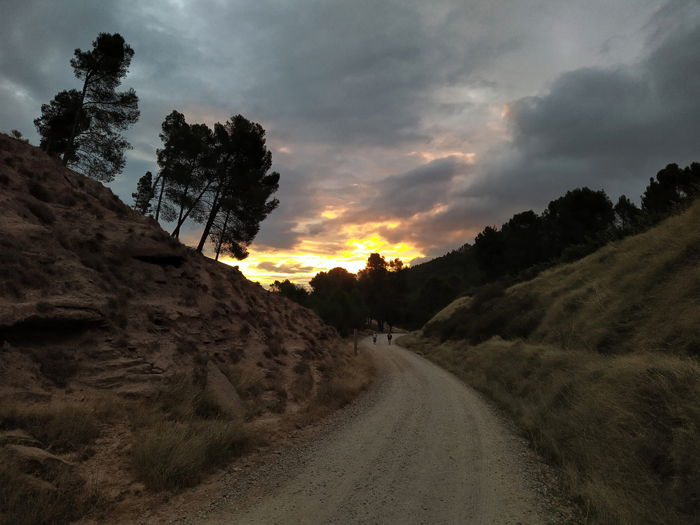

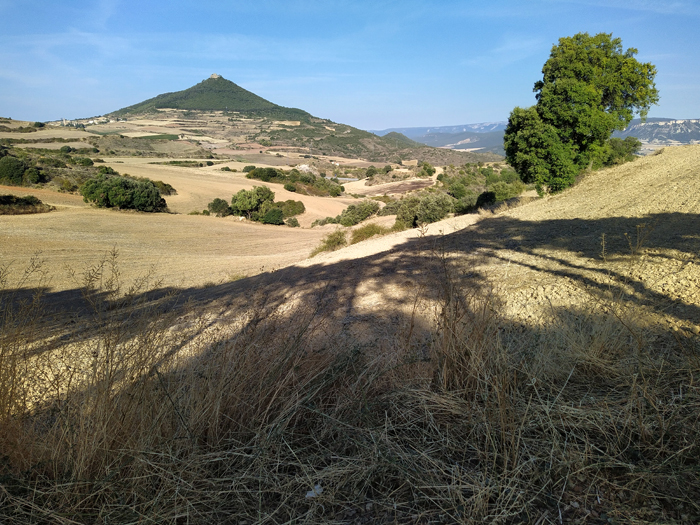
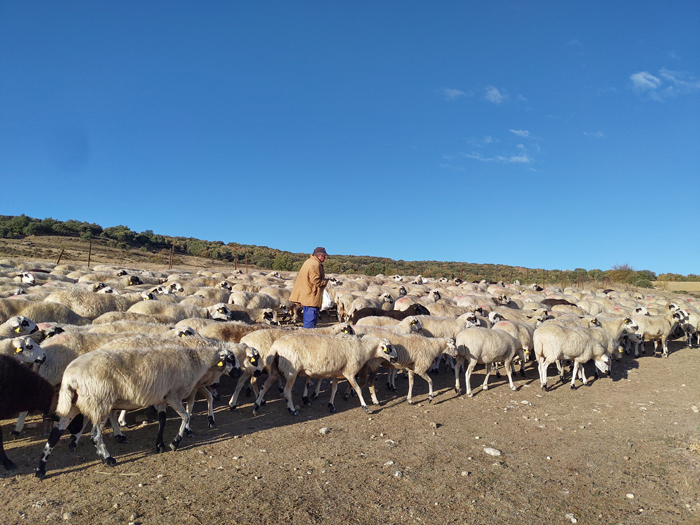

How nice it is to walk in an area that is so completely different than we are used to at home. We look sharper and notice how beautiful the light is.
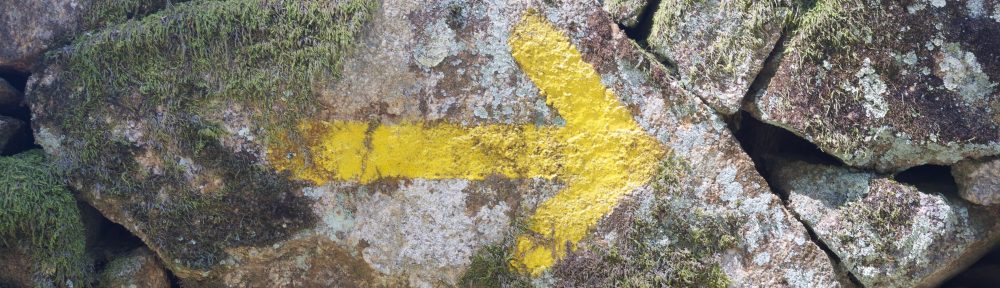
How nice it is to walk in an area that is so completely different than we are used to at home. We look sharper and notice how beautiful the light is.
We walk through places with beautiful names; Puenta la Reina, San Juan de Ortega and Santo Domingo de la Calzada.
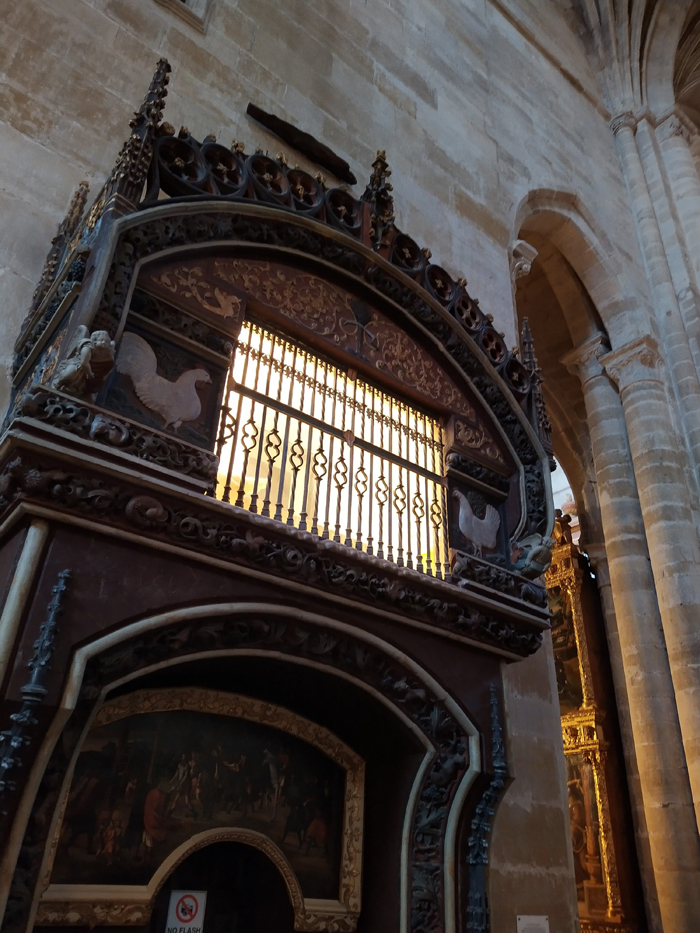
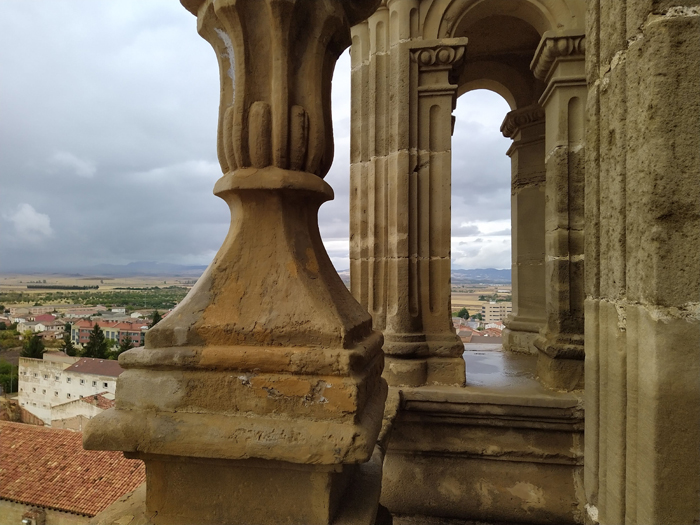
Santo Domingo has been important for pilgrims in the Middle Ages. He is the founder of the town. He built a road in the rugged forest and built a bridge over the Oja River to make it easier for pilgrims on their way to Santiago. He also built a hospital for pilgrims; now converted into a luxury parador. Most striking is the large, beautifully restored cathedral with the bell tower next to it. Special for a town with about 7000 inhabitants. But the cathedral is most famous for the chicken and rooster that are kept there.
Legend
In the fourteenth century, a German couple with their 18-year-old son went on a pilgrimage to Santiago. During the night in Santo Domingo, a girl tried to seduce the son, but the boy refused. The girl then accused the boy of theft. He was convicted and hanged. The grieving parents continued on their way. On the return journey they found that their son was hanging alive on the gallows. They went to the judge, who was just sitting at the table at the time. “That boy is as alive as this fried chicken!” said the judge. The sequel can be guessed: the chicken came to life and the judge returned the boy to his parents.
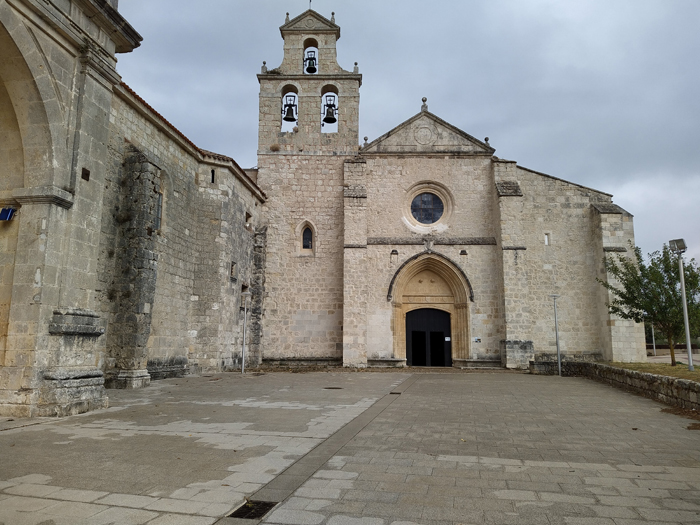
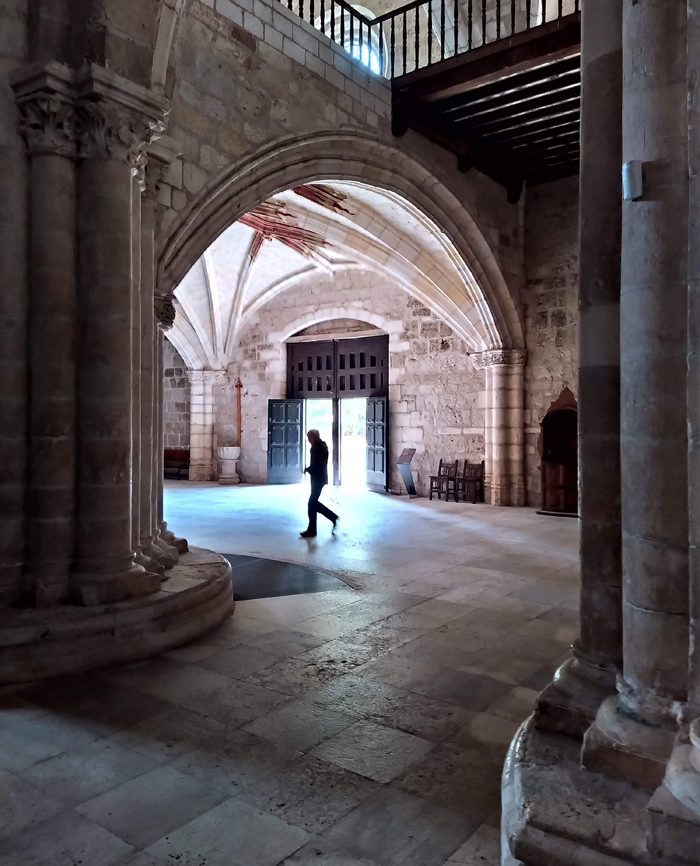
Santo Domingo also played a role in the tiny ‘pueblo’ of San Juan de Ortega, about fifty kilometers away. San Juan built around 1150, with the help of San Domingo, a monastery with a hospice as an aid post for pilgrims. Originally, the monastery was inhabited by Augustinian monks. Over time the monastery fell into disrepair, but with the revival of the camino it has been restored piecemeal and now houses an albergue.
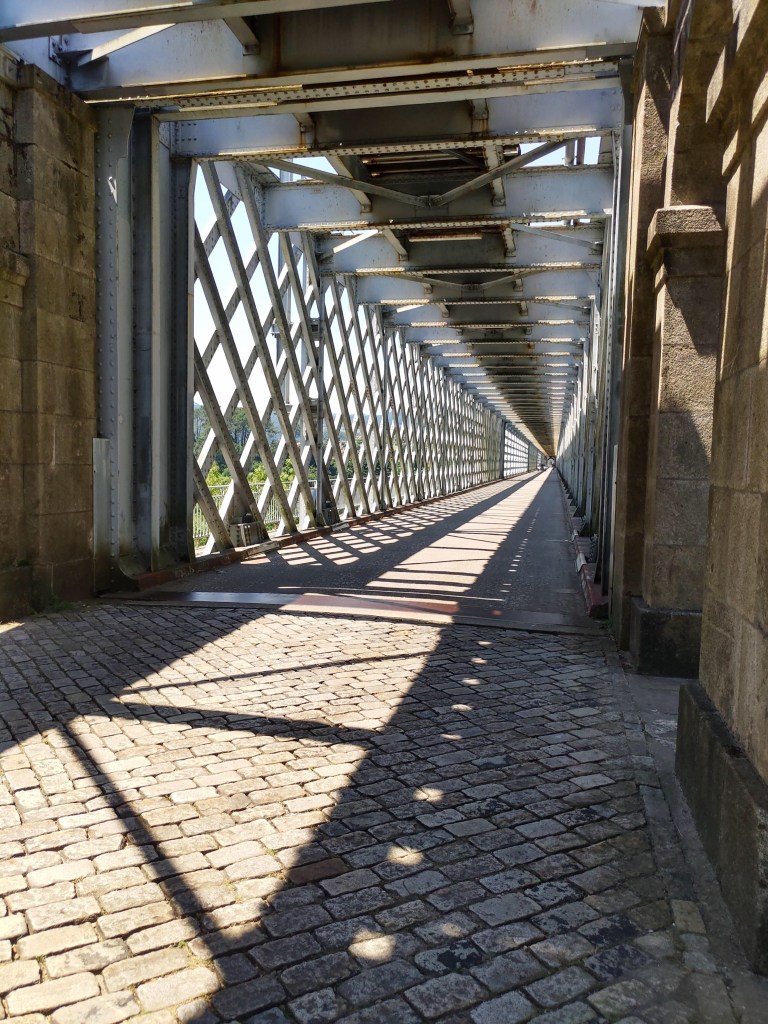
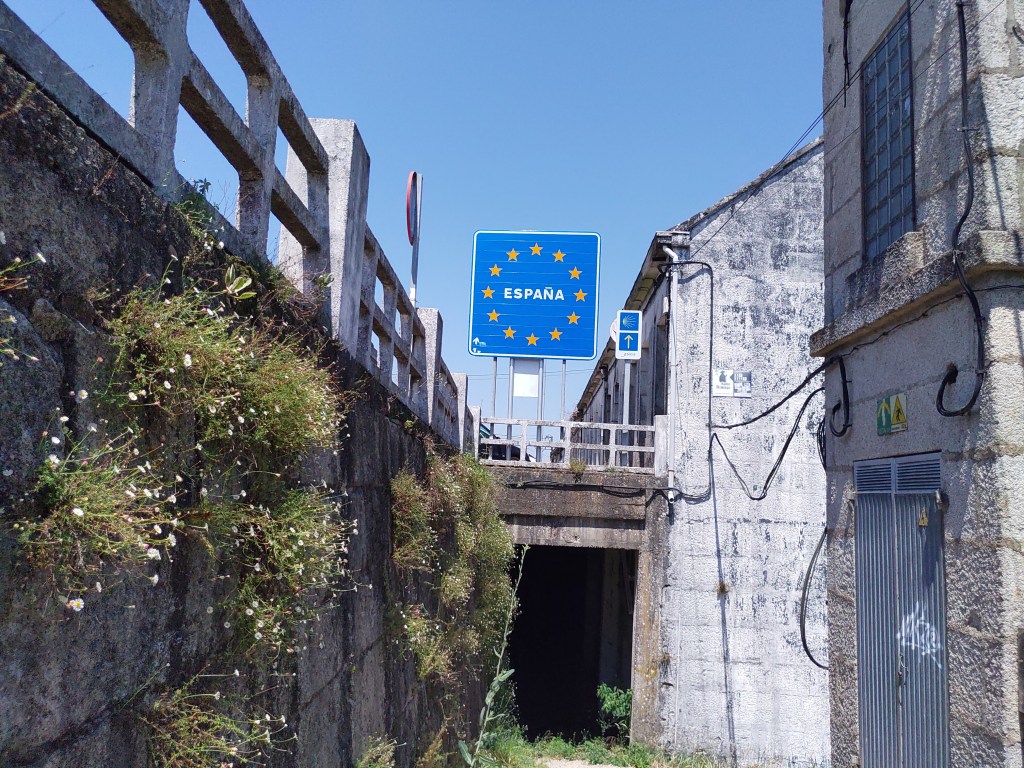
Obrigada, gracias. We are in Spain. This afternoon we crossed the border via the bridge between Valenca and Tui. We lost an hour with it. 😉 an hour time difference.
We were on our way early, after a homemade cup of Nescafe and a Liga cookie. Soon there was a cafe where we could drink real coffee on the terrace. There followed a route with many stops; for a sandwich, soup, homemade iced tea… Toni, with whom we ate yesterday, we met again today. But we followed our own pace.
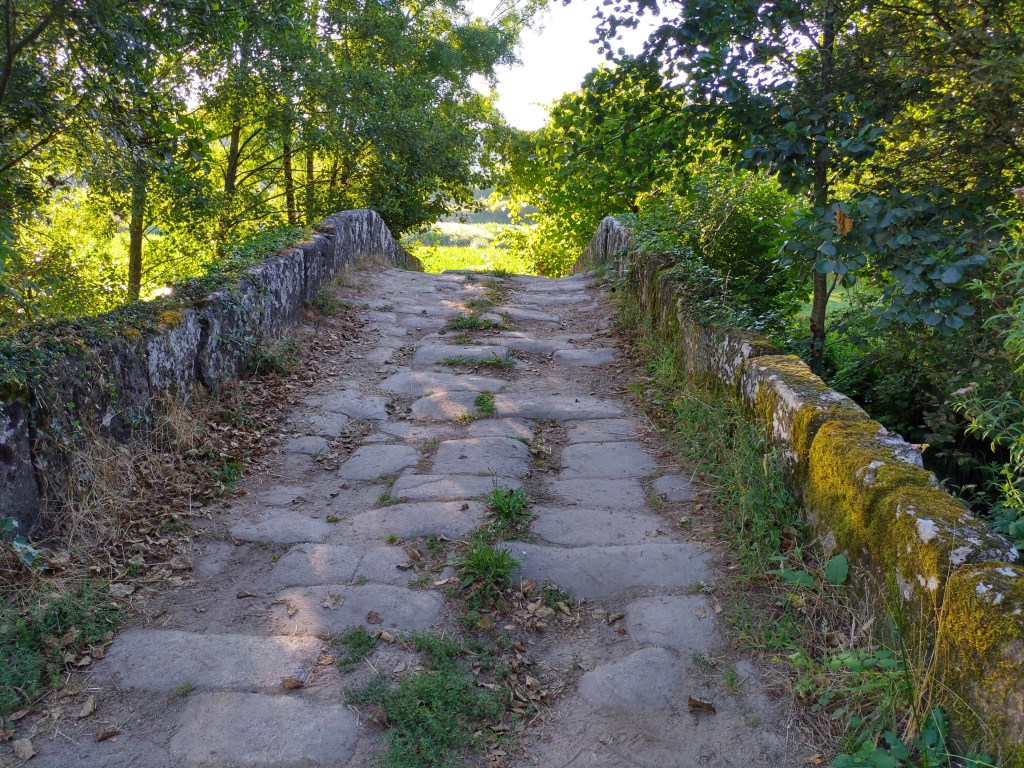
It was a nice route today, with lots of shady trails. Twice, we crossed a Roman bridge. And also many paths seemed medieval.
We encountered more hikers today. But the cook of an Albergue en route, said it is very quiet compared to ‘normal’ years.
The last kilometers before Valenca were equally tough. But arriving in the city gave new energy.
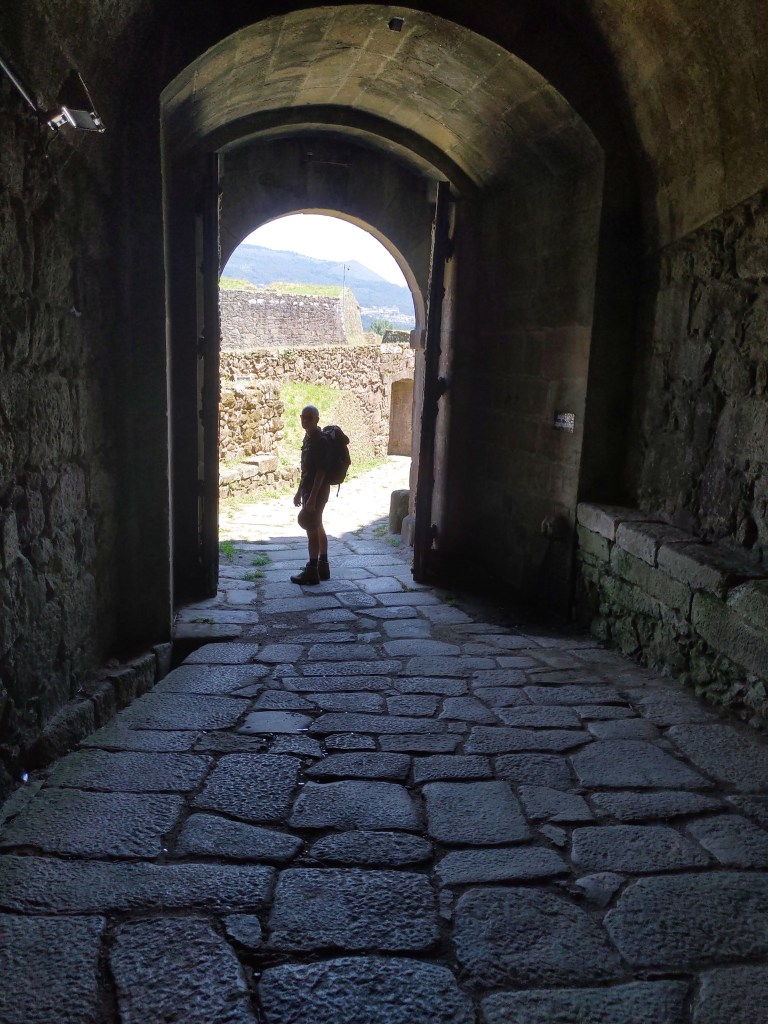
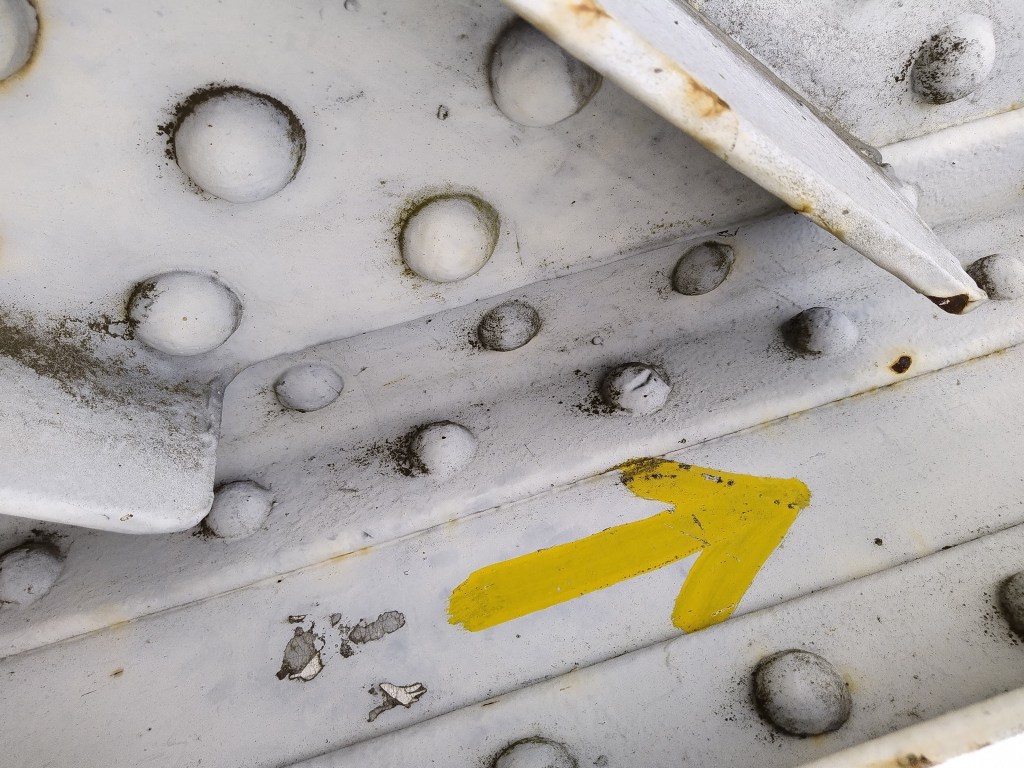
Valenca has a castle, as a defense from the Middle Ages. The route ran past and through it. And then there was the bridge over the Rio Miño. A little exciting. But we were never asked for anything. A hiker behind us asked where the formalities are. There are none.
Here in Spain people are just as strict as in Portugal to disinfect with hands and wear a mouth mask. People prefer to see you wearing your mask everywhere, even outside.
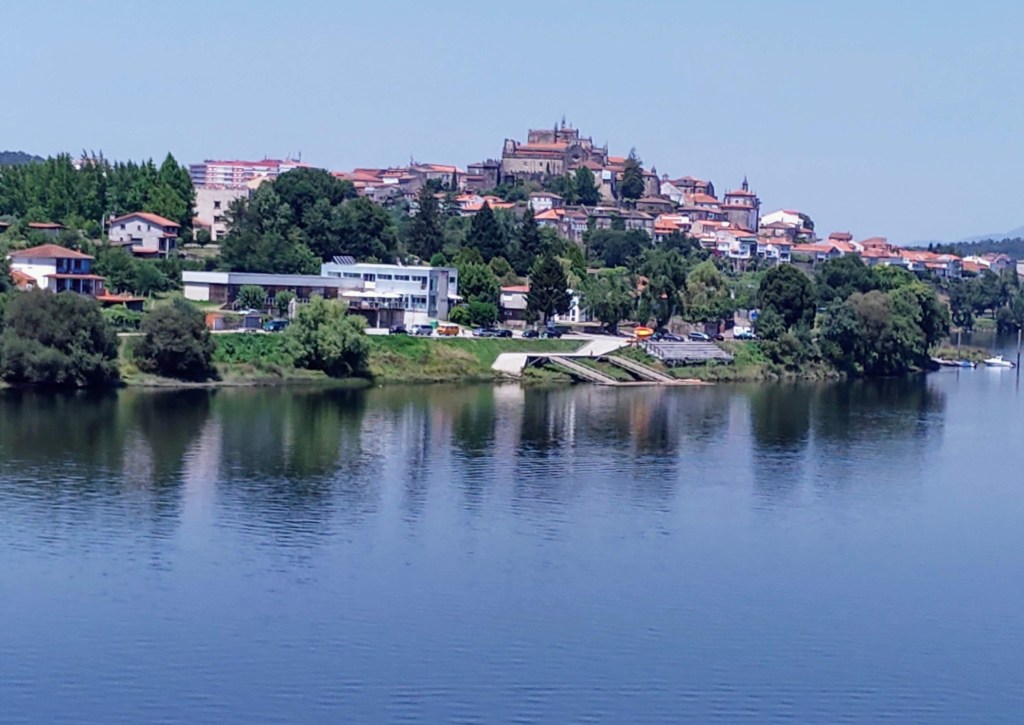
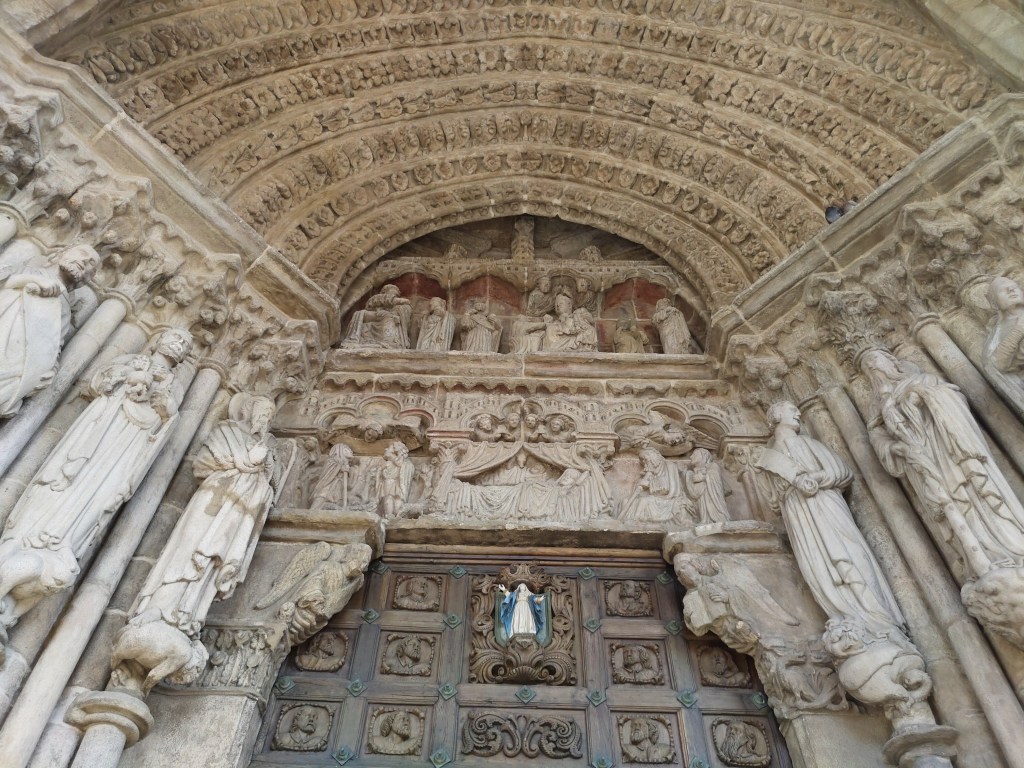
We are now in Tui, and have a nice room in the center. We got the stamp at the cathedral. And then we felt we deserved a cold beer: Estrella. And we really felt we had arrived in Spain when we got chips and olives with it.
Rubiães – Tui. 22km. 33°C
 about walking and cycling, ...