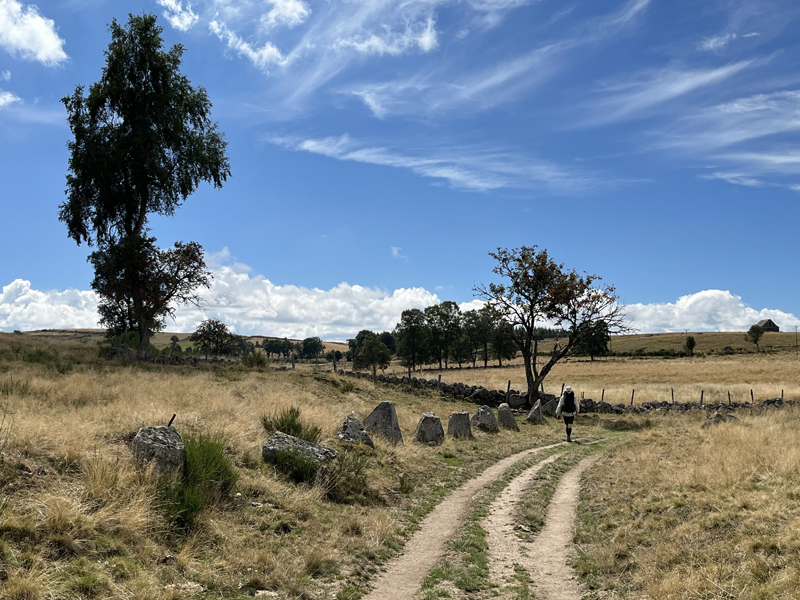
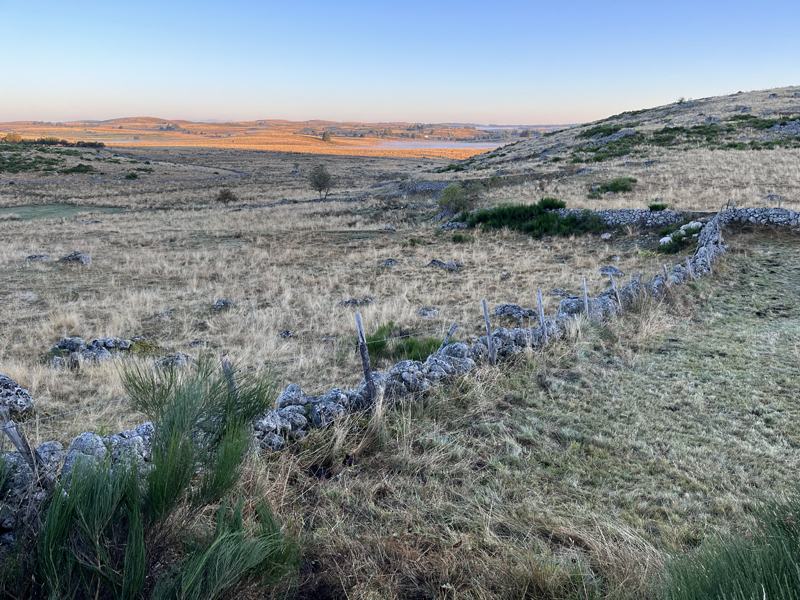
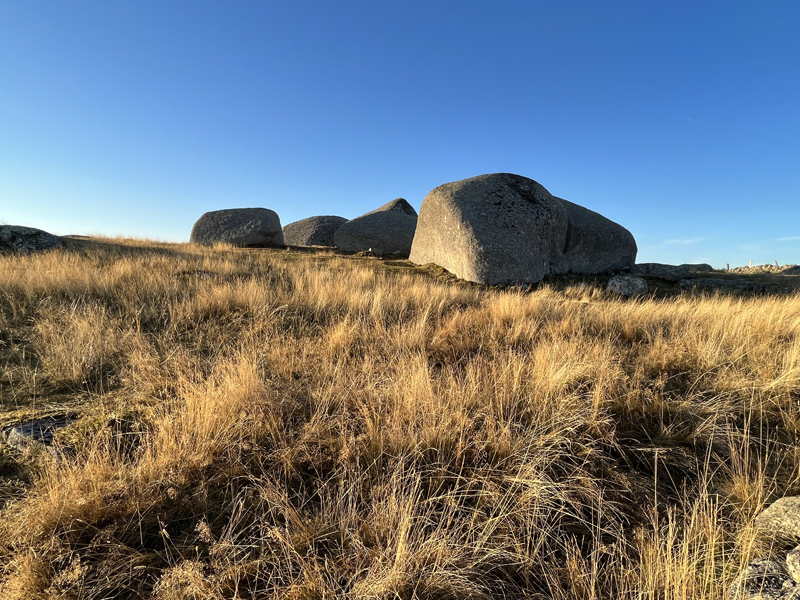
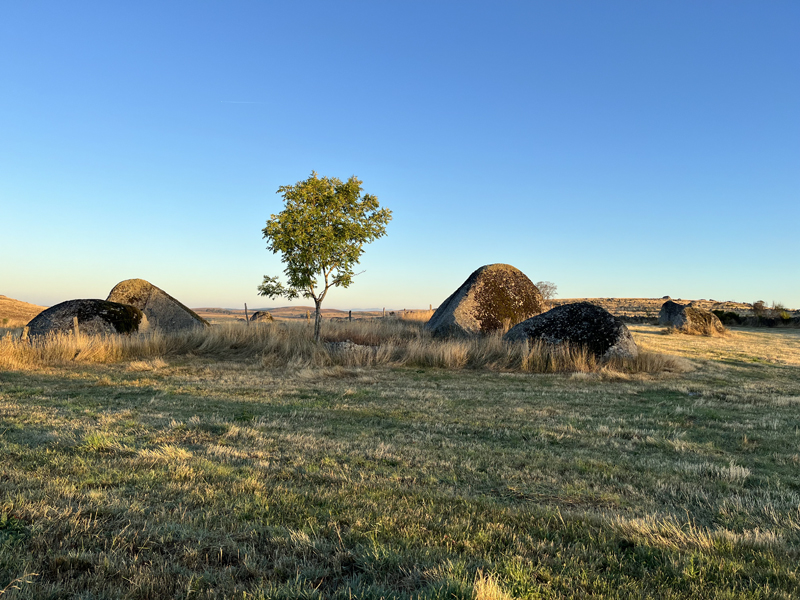
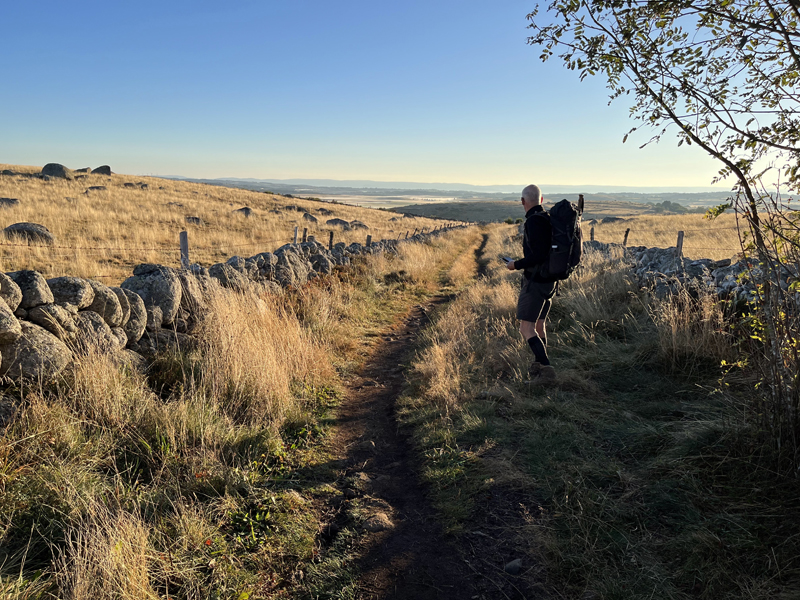
The fifth night of our trip on the Via Podiensis, the GR65, we slept in Gite la Rose de l’Aubrac, Caroline’s gite in the hamlet of Finieyrols. It was a very enjoyable place. In the morning after an early breakfast we left the house, and very soon we were walking on the plateau. What a surprise! The sun was still low and provided beautiful light over the vast plateau.
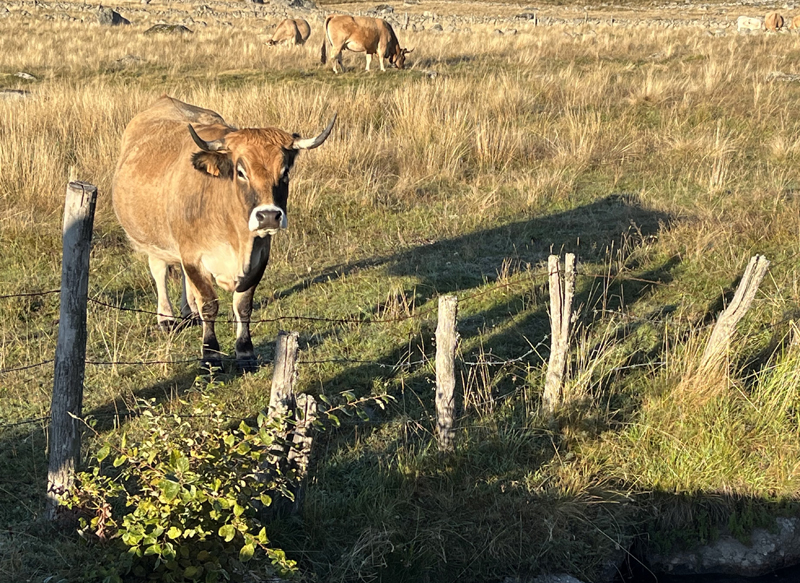
The fields were yellow and there were many cows in almost the same color. There were large boulders here and there, and there were stone walls along the path.
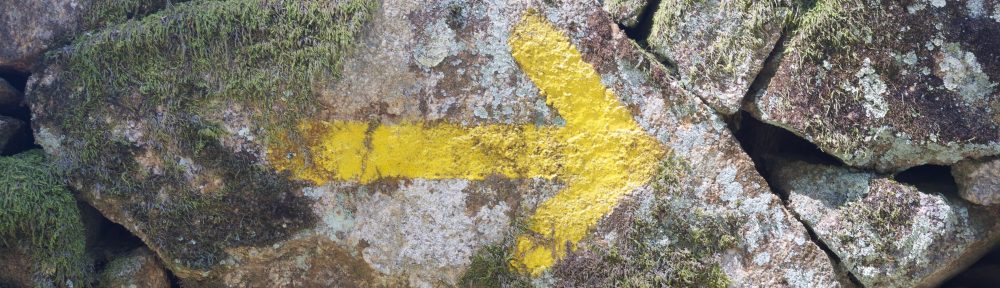
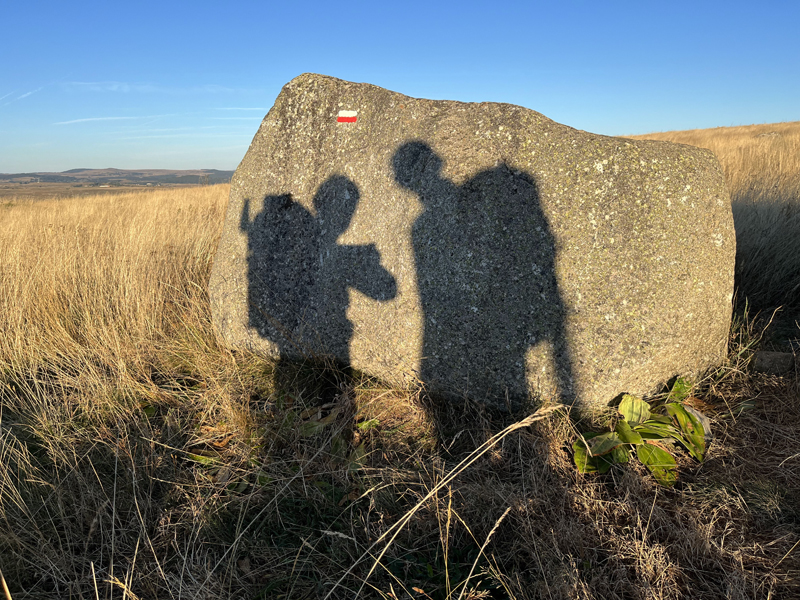
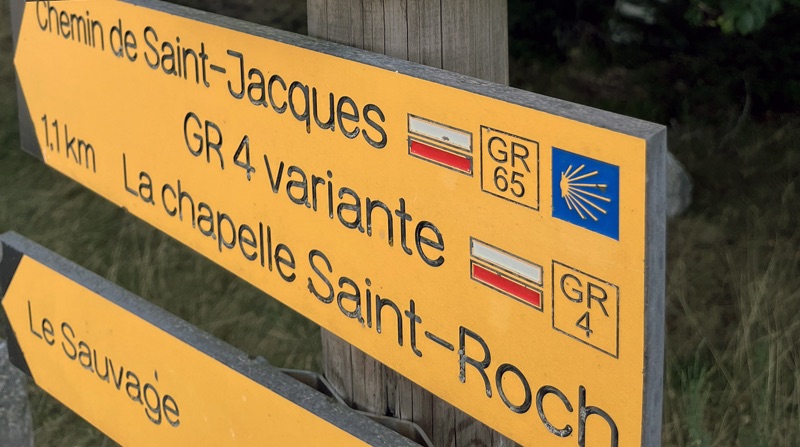
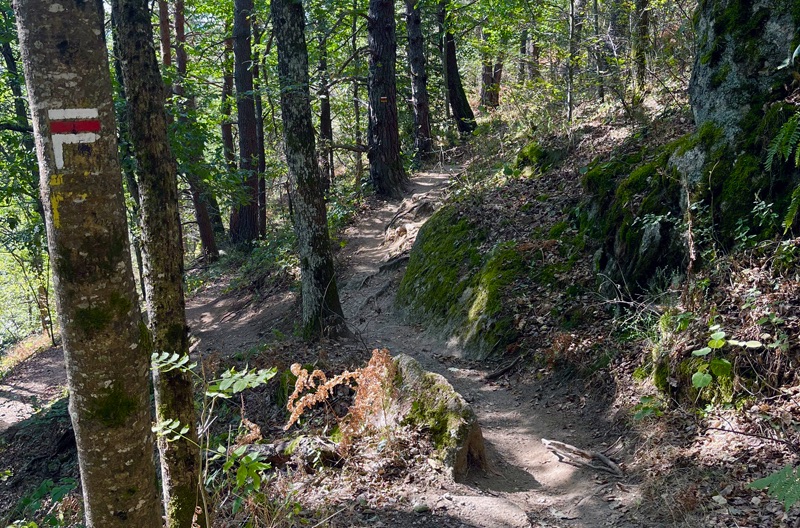
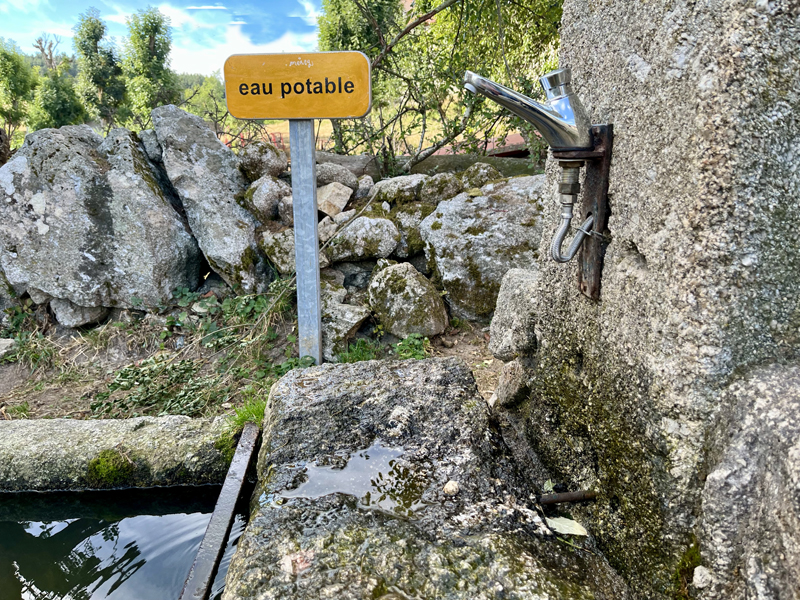
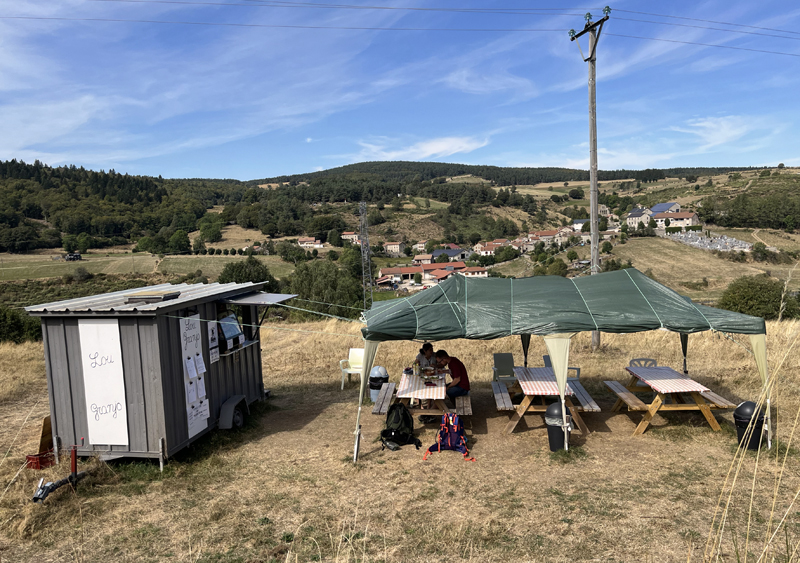
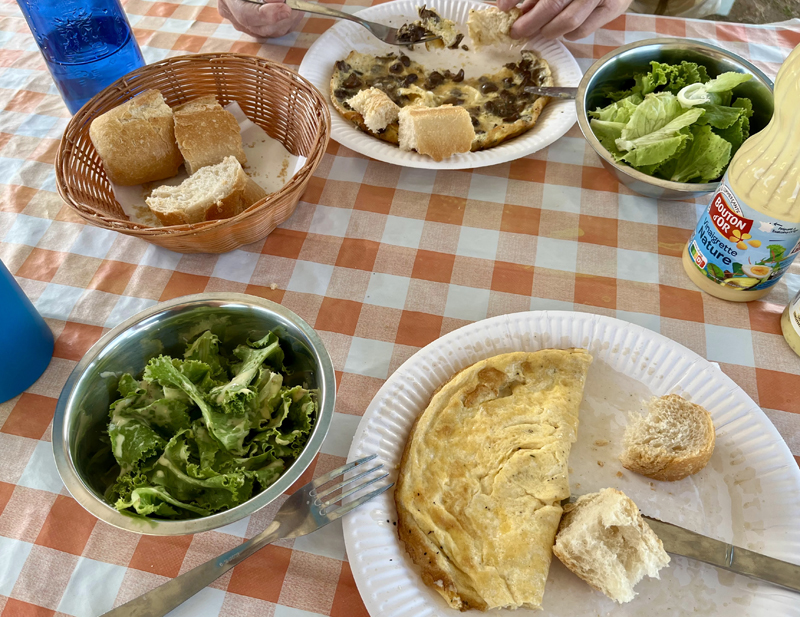
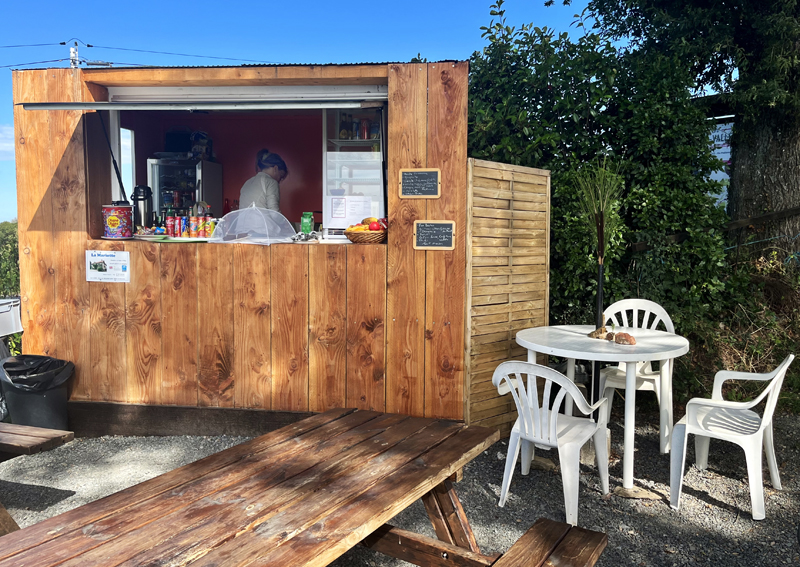
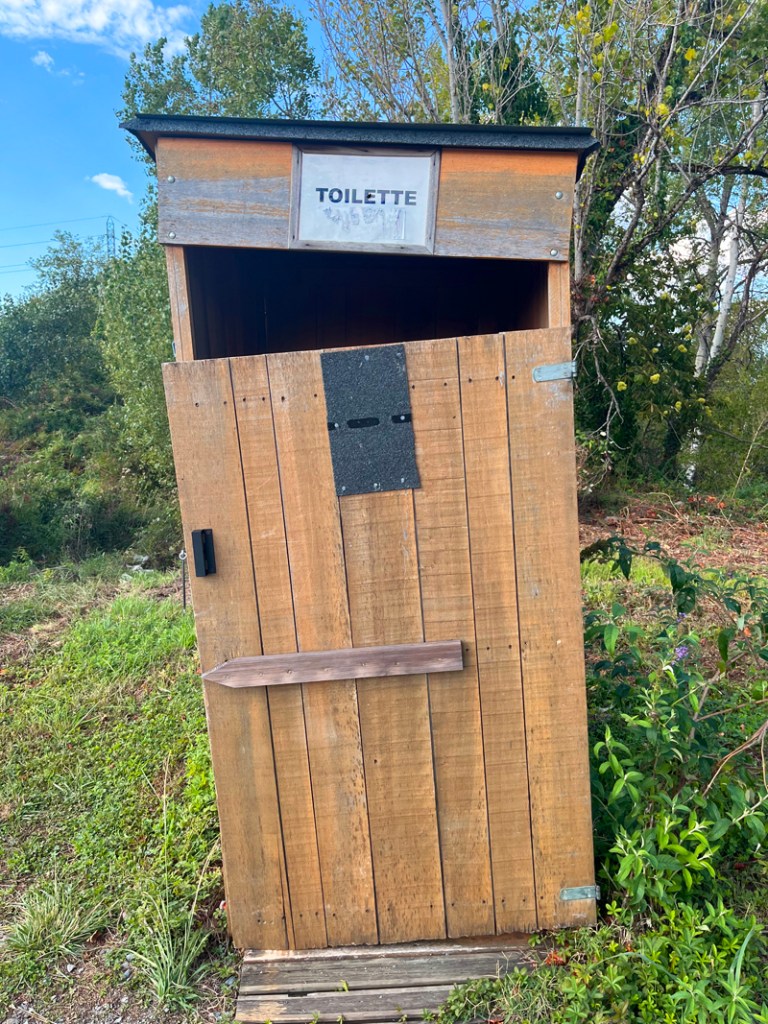
The Via Podiensis or the GR65 is a popular route, running from Le Puy-en-Velay to Saint Jean Pied de Port. The part up to Conques is especially popular. The path is well marked. And there are all kinds of facilities along the way. There are rest areas with water taps and even toilets. So that the environment remains clean. Sometimes you find a food-truck in the middle of nowhere, where you can order a delicious lunch.
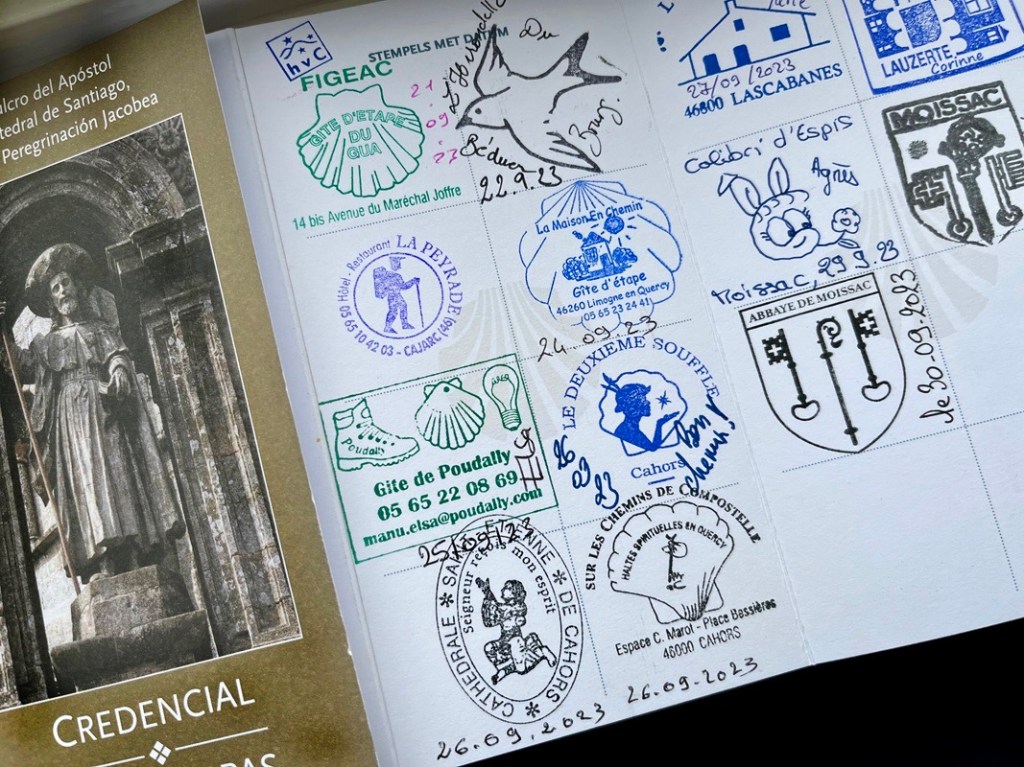
We walked a part of the GR65, the ‘Grande Randonnée 65’ also called the Via Podiensis. A walk in the Midi-Pyrénées. We walked from Le Puy-en-Velay to Conques and on to Moissac. We slept for the first time in ‘Gîtes d’Etapes’. An exciting prospect. It became a wonderful part of the journey. The Gîtes d’Etapes where we stayed overnight are ‘inns’ along the route, where you can sleep if you have a ‘credencial’; the stamp card, in which you can get a stamp in every gîte or cathedral. So this gîtes are really intended for hikers. In the morning around 9 o’clock you have to be on your way again on the next stage.
The route is known and loved by many French people. There are not many foreigners on the road. Yes, we met some people from Quebec, who are also French speaking. This means that French is the language. The months before we went to France we tried to brush up on our French with the help of Duo-Lingo. That helped, but the best French course is practice. Not always easy, but we found the people in the gîtes to be very nice and helpful. We felt completely accepted.
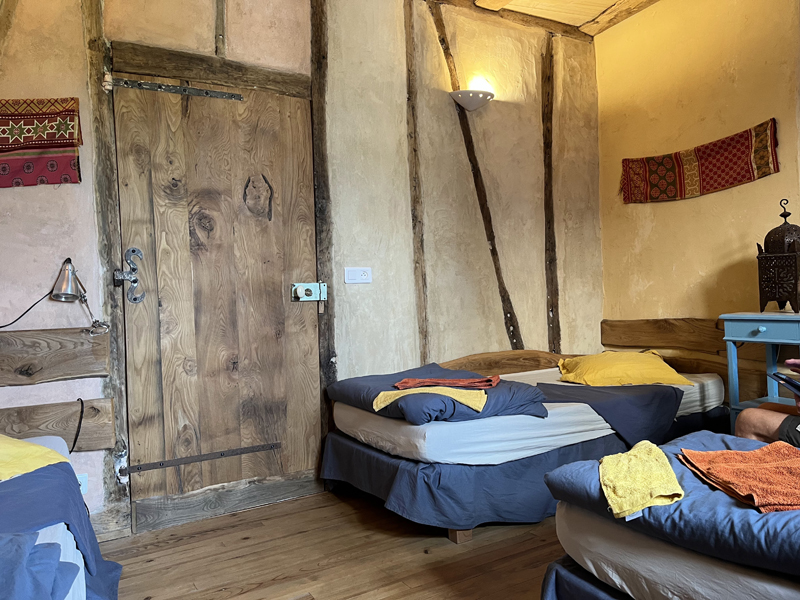
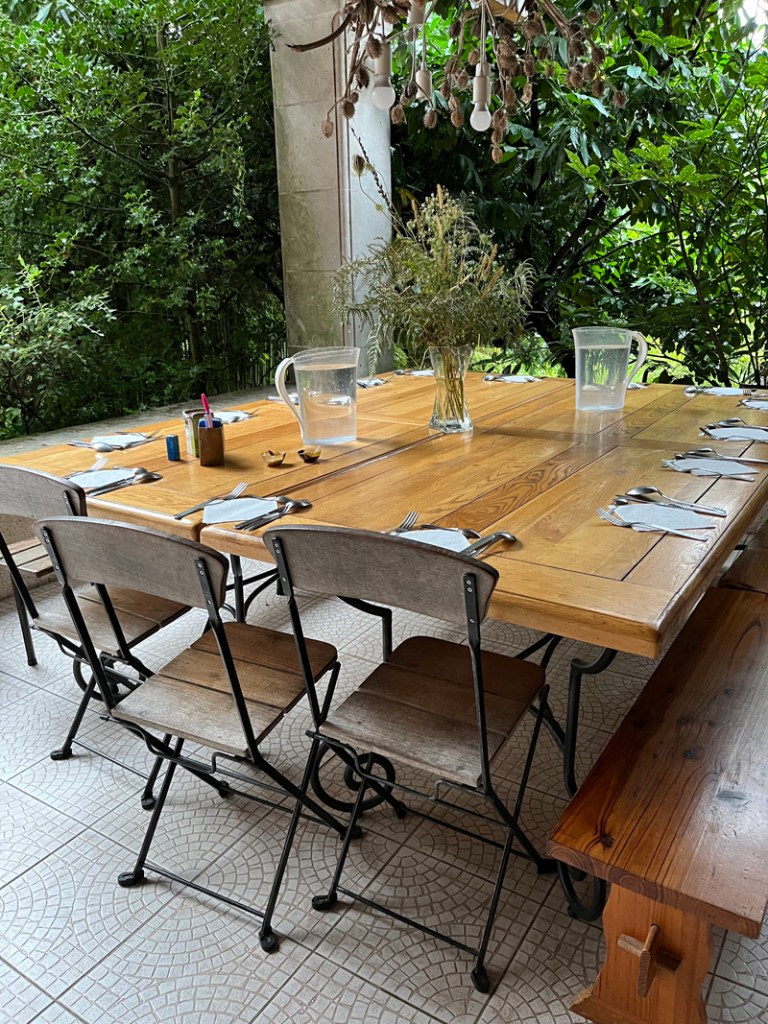
Most people sleep in a dormitory; a room with several beds. But most gites also have smaller rooms. The guests eat dinner together. The food is usually very good and more than enough.
We met some hikers again later, in other gites, or along the way. Everyone is doing the same thing; walking. People are very open to each other.
Twenty nights in different gites, each with its own atmosphere, but we have good memories of all of them.
We walked from Le Puy-en-Velay to Saugues, les Faux, Aumont-Aubrac, Finieyrols, St.Chely, Espalion, Estaign, Sénerges, Conques, Livinhac, Figeac, Béduer, Cajarc, Limogne-en-Quercy, Mas de Vers, Cahors, Lascabanes, Lauzerte, Dufort la Capalette, Moissac.
“if we were meant to stay in one place, we ‘d have roots instead of feet”
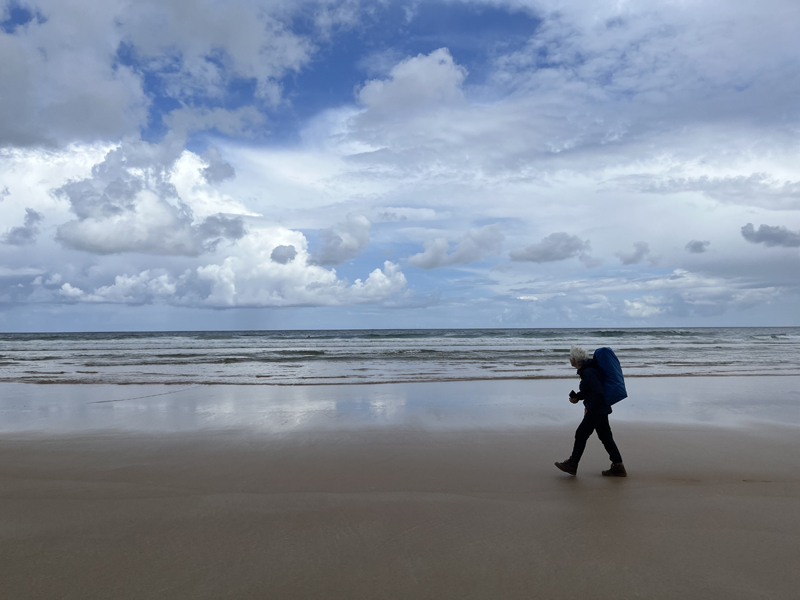
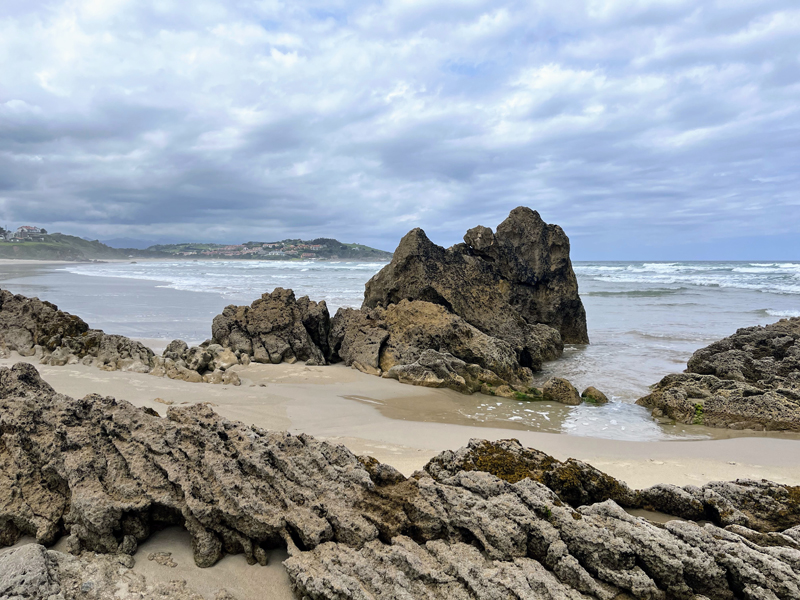
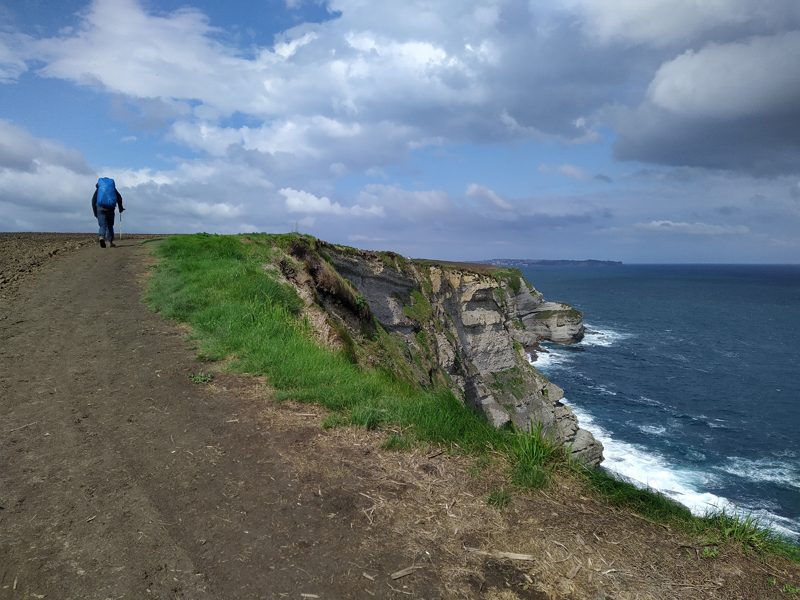
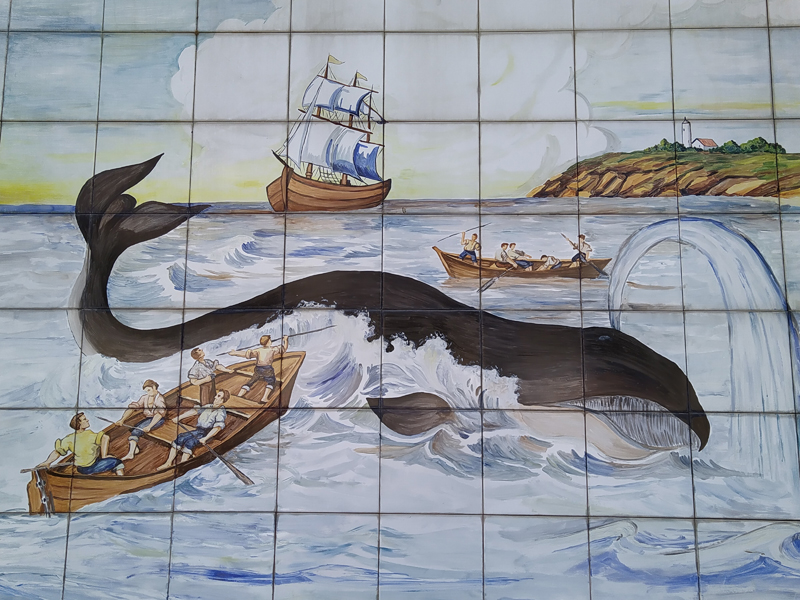
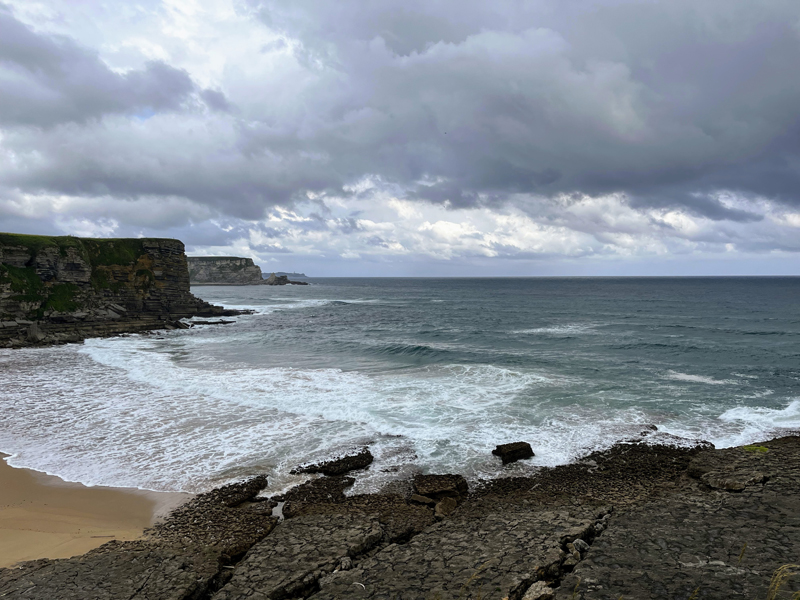
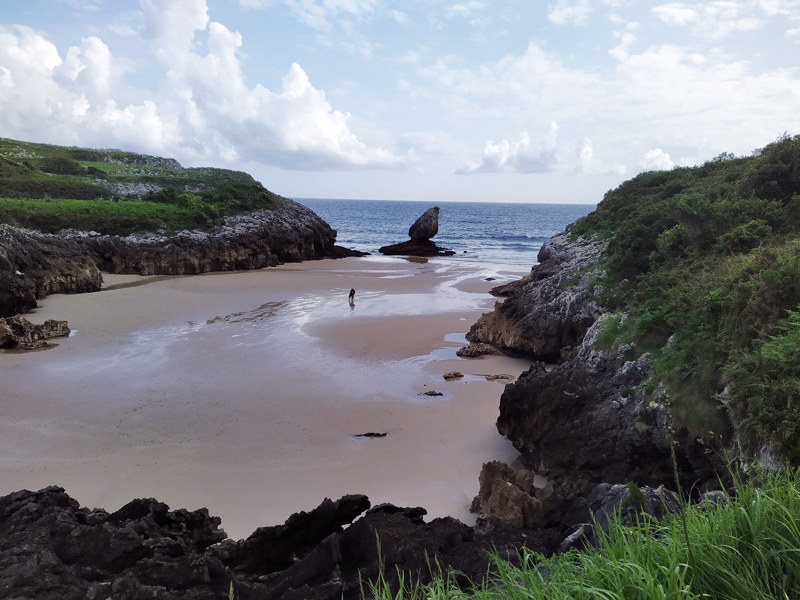
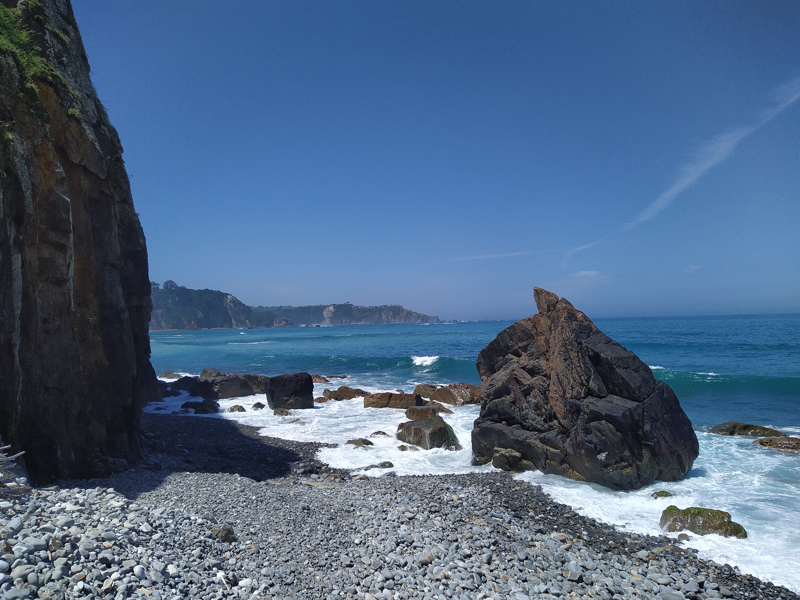
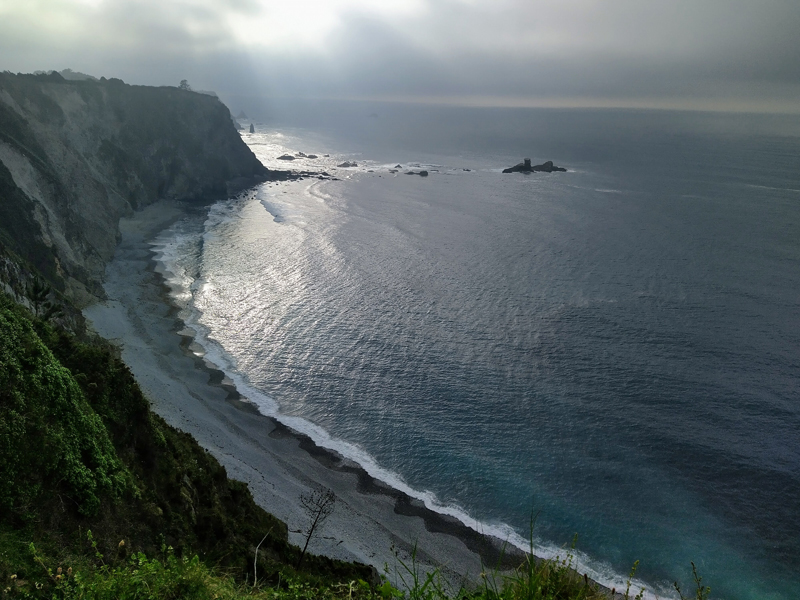
Walking the Camino del Norte is walking along the ocean, along the Bay of Biscay, or in Spanish the Golfo de Vizcaya. The vastness, the infinity of the ocean, and the light attract us. The coast on the north side of Spain is rugged with cliffs and coves. The influence of the water on the stone of the rocks, over the centuries, is visible everywhere. The ocean is deep (4 km) and is the habitat of dolphins, sharks and whales.
Asturia and Galicia are green and that is because of the north-westerly wind that brings rain from across the ocean. A raincoat or poncho are therefore no luxury.
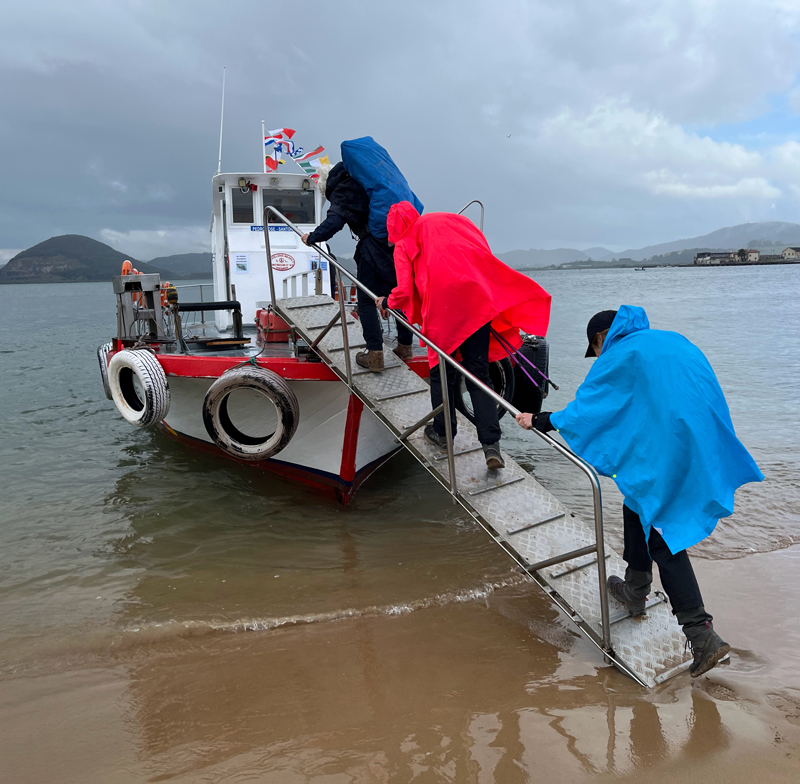
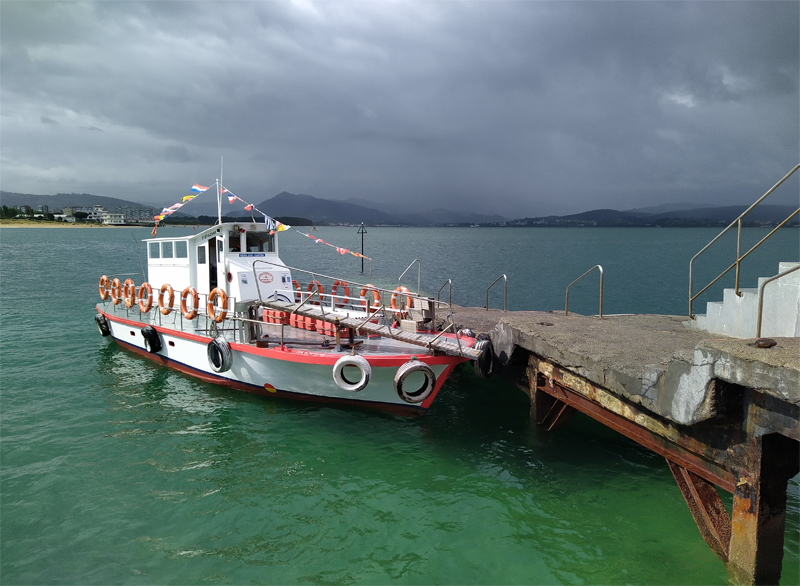
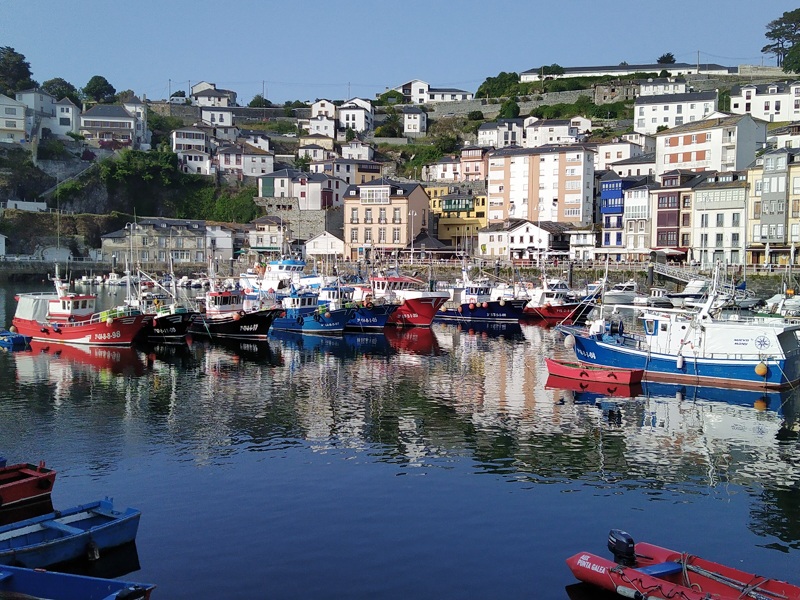
The coast is so different from the dune coast of the Netherlands. It’s not like you walk in straight lines. There are rifts and deep coves that you have to go around or sometimes have to cross with a small ferry. Sometimes you walk on the beach, then higher over a cliff. The fishing villages, with their ports, are located aroundbays.
The Camino del Norte starts in Irun. We started in Bilbao. And walked to: Castro-Urdiales, Laredo, Güemes, Santander, Santilliana del Mar, Comillas, San Vincente de la Barquera, Colombres, Llanes, Nueva, Ribadesella, Colunga, Villaviciosa, Gijon, Aviles, Muros de Nalon, Cadavedo, Luarca, Vilapedre, la Caridad, Ribadeo. From Ribadeo we walked south-west to Santiago de Compostella.
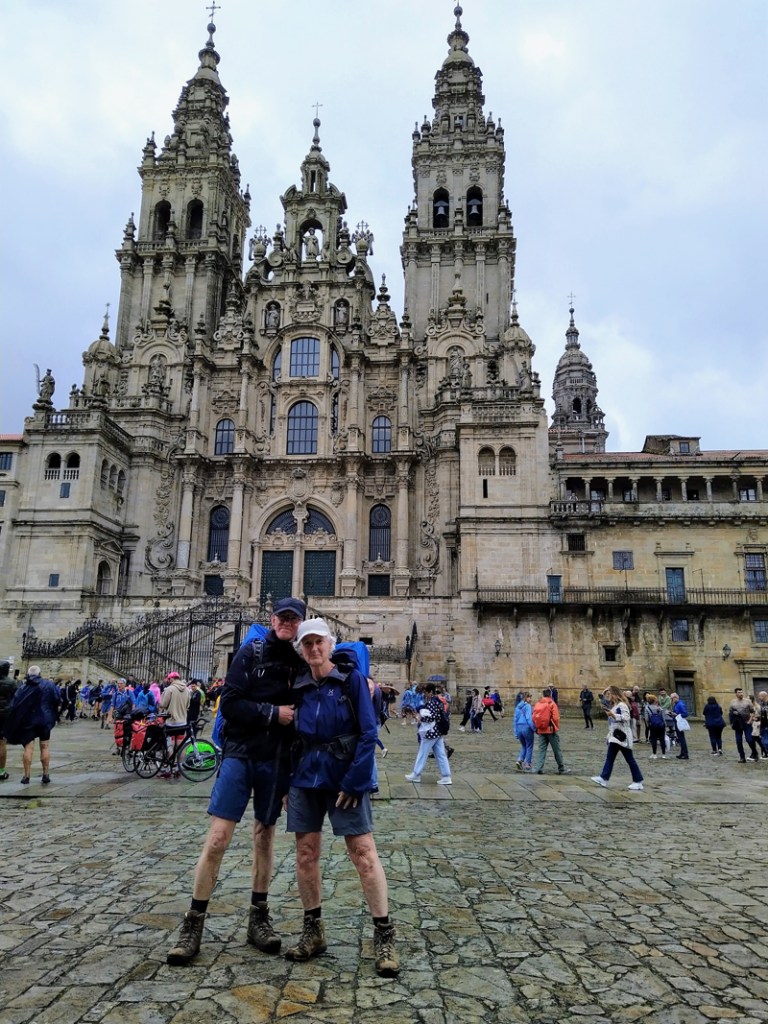
In Ribadeo we said goodbye to the ocean. From there we walked south-west into Galicia. We past Lourenza, Gontan-Abadin, Vilalba, Baarmonde, Parga, Sabrado dos Monxes, Arzua and O Pedroso to Santiago de Compostella.
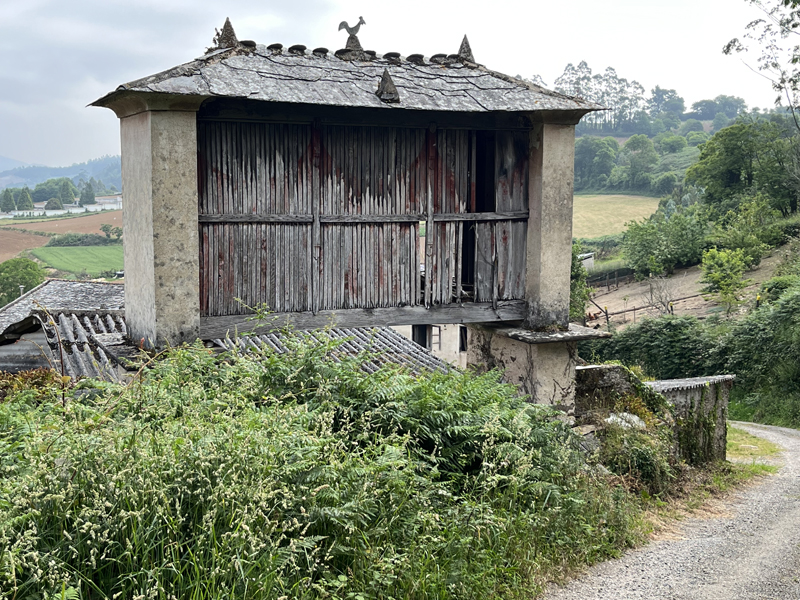
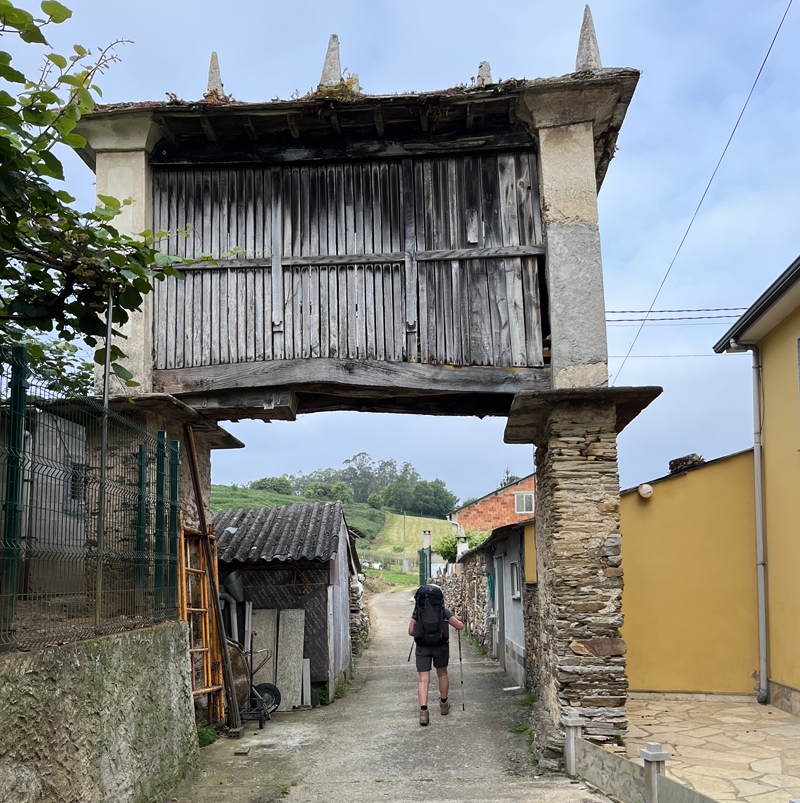
In Galicia you see the horreos everywhere, the storage sheds on stilts. They are used for storing corn, among other things. The flat stones are protecting the crop against vermin.
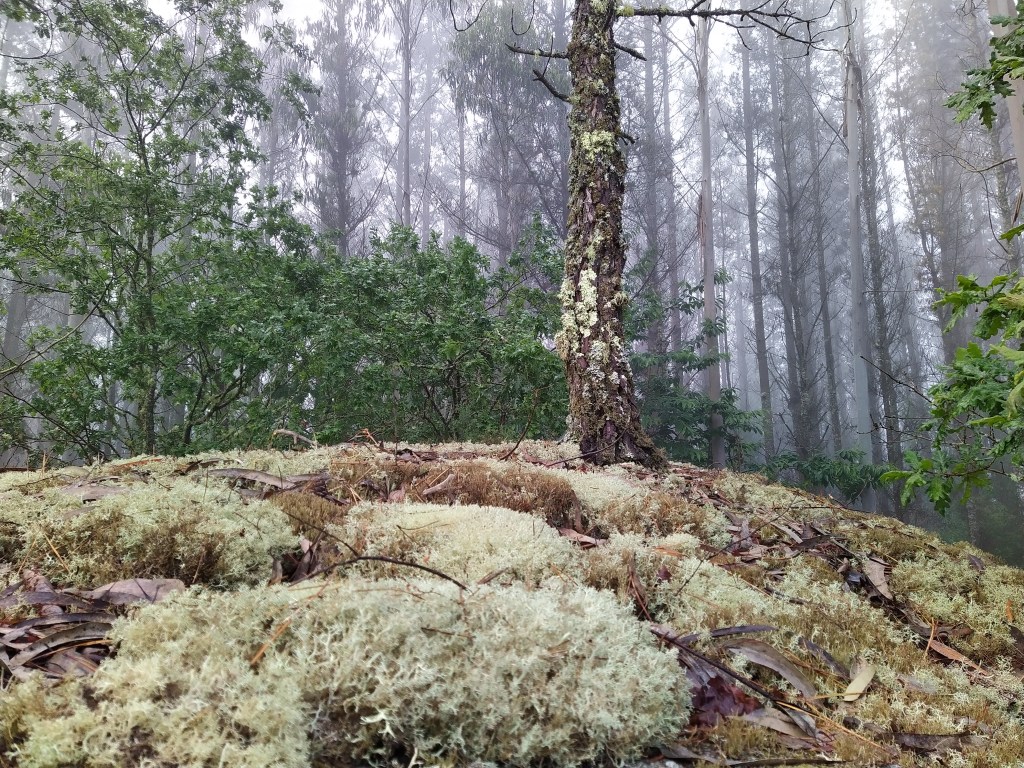
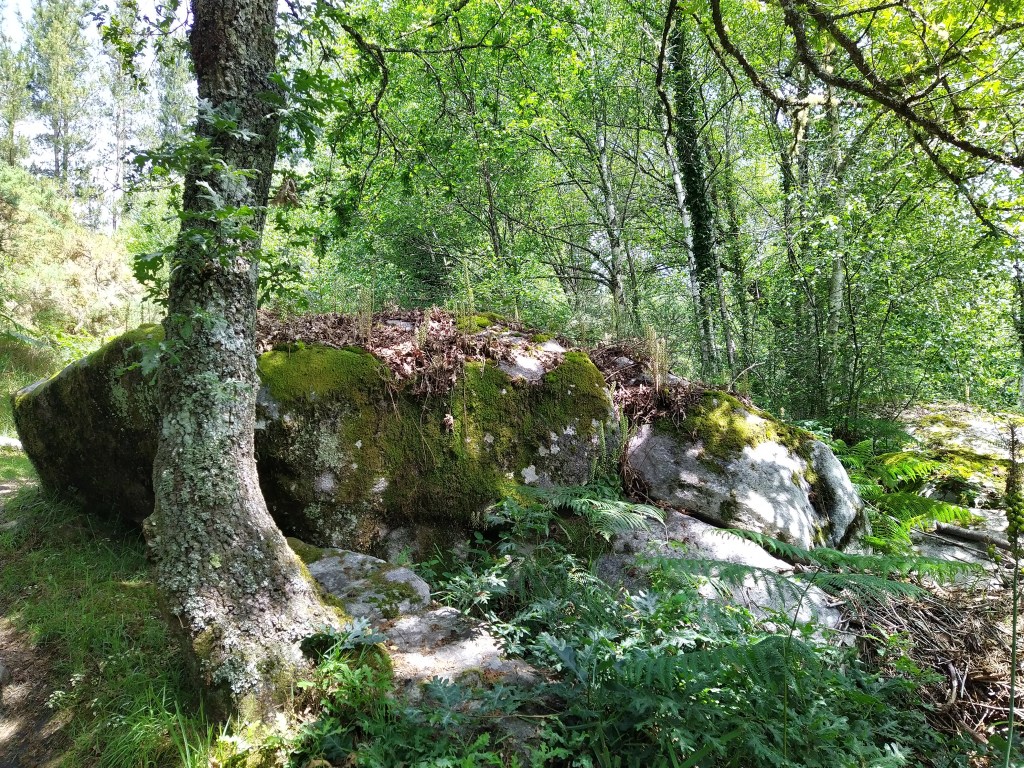
The lichens on the many stones along the path are beautiful.
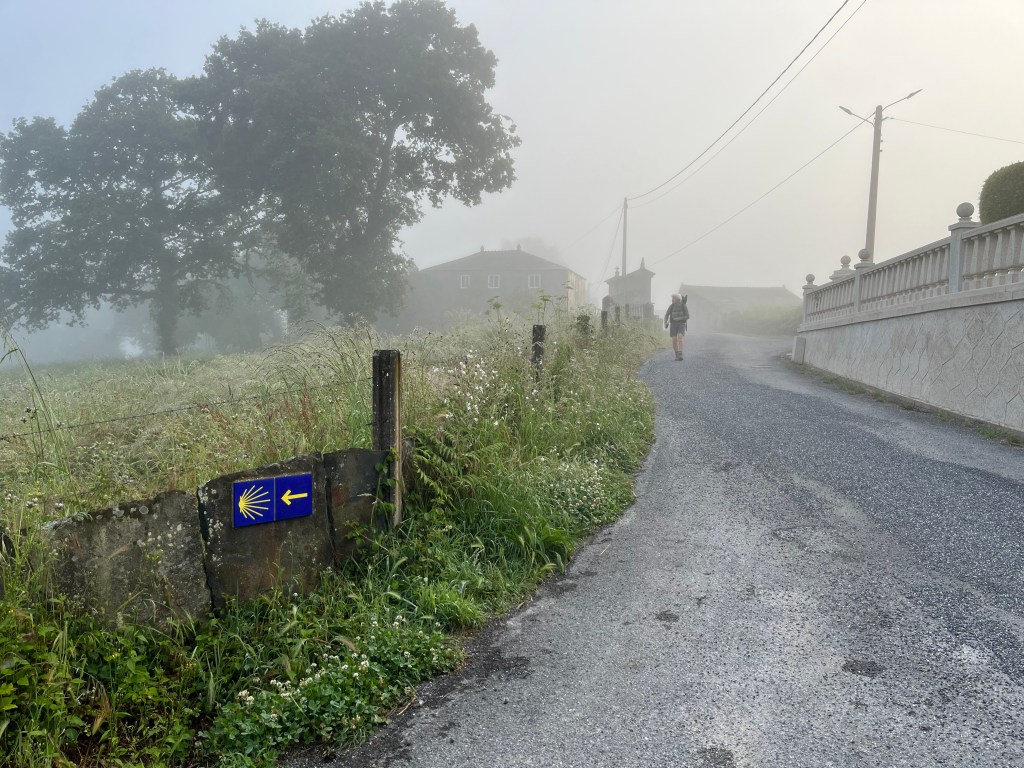
The Camino del Norte is also a pilgrimage route to Santiago de Compostella. This route is different from the popular camino Francès; there are fewer churches or chapels. And those that are there are usually closed. I have not discovered the pilgrim stories from the Middle Ages here. It’s much quieter. But even if you walk alone for hours, you will see the signs of other walkers along the way.
It was quiet, but we were certainly not the only hikers. The route has sections and so we meet other hikers in the towns at the end of a distance. Sometimes we didn’t see them for a few days, and then unexpectedly we run into each other again. Other pilgrims are very easy to approach, because everybody is doing the same thing. There is a sense of kinship or togetherness. You drink a glass of wine together, or sit at the same table for the Menu del Dia. But you also let go and say goodby.
This is a double crucifix, somewhere near a chapel in the middle of the forest. It is a typical Galician image. It shows the crucified Jesus, but the other side has room for Mary.
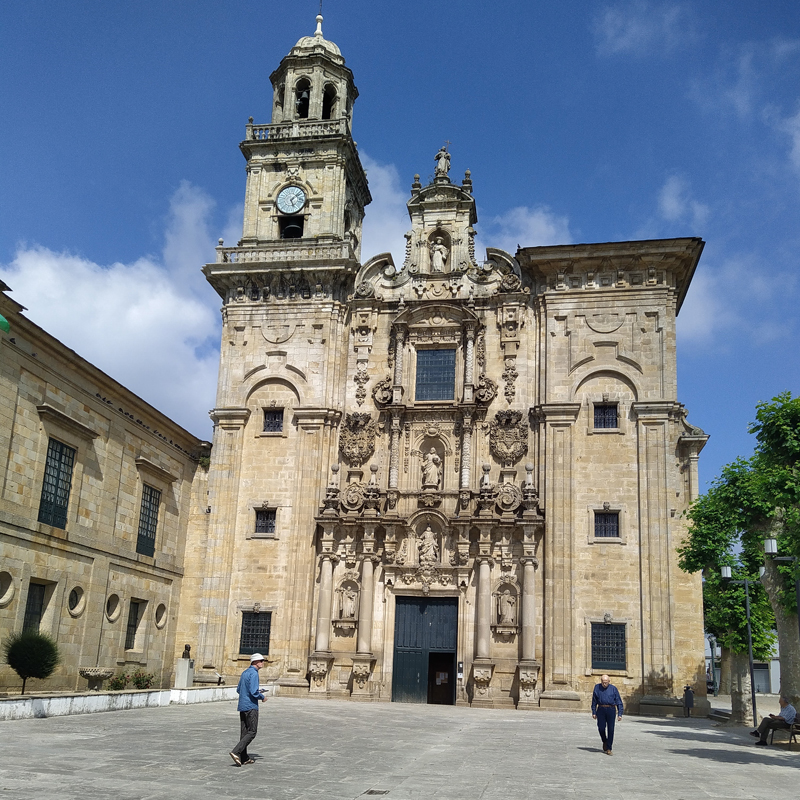
The architect who built Santiago Cathedral also built this one in Lorenzo.
The sun did not always shine in Galicia either.
The last two stretches to Santiago, the route runs together with the Camino Francès. It is therefore noticeably busier.
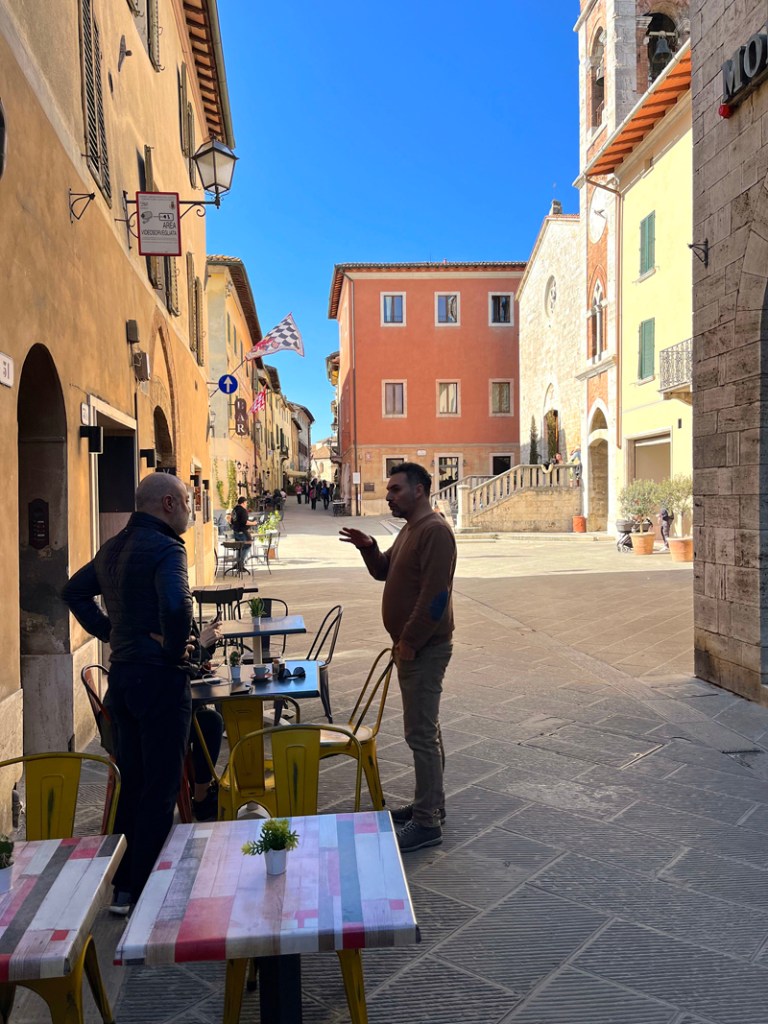
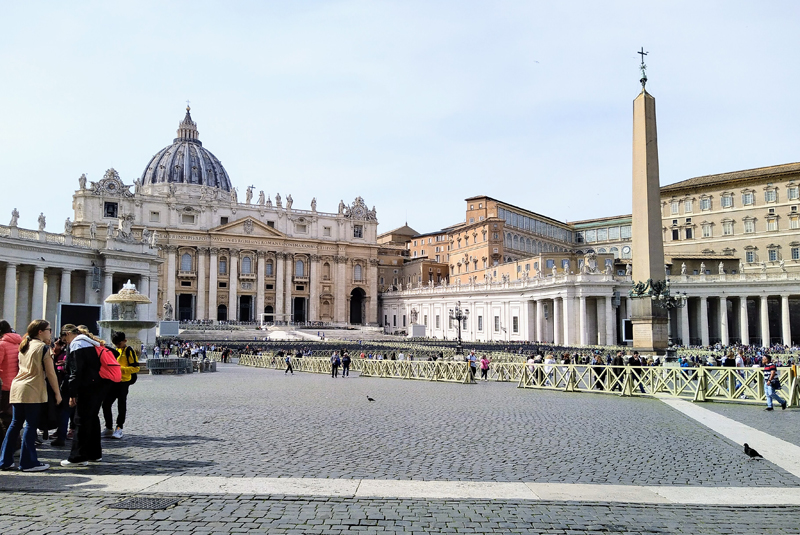
In March we were back in Siena. Last year, May 2022, it was the finish of our walking tour on the Via Francigena. This time it was the starting point, on our way to Rome.
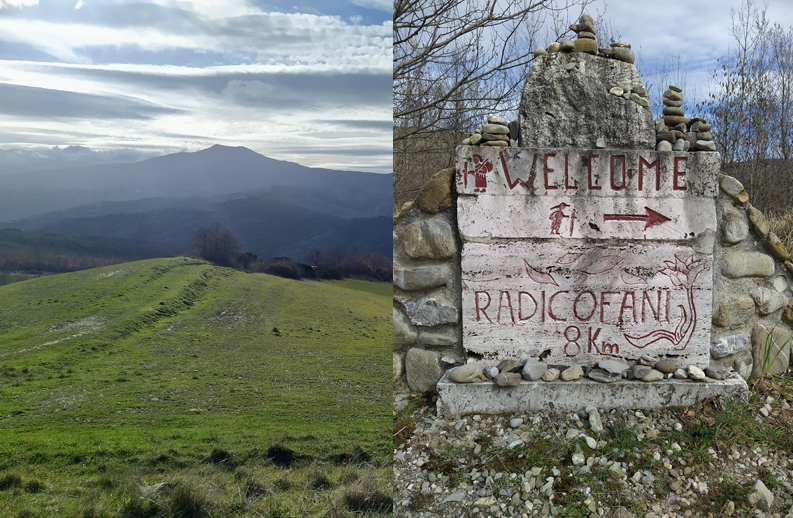
from Bagno Vignoni to Radicofani
S.Quirico d’Orca
Bagno Vignoni
It was a long, but beautiful walk to Bagno Vignoni. It was Sunday and the weather was beautiful. From S.Quirico d’Orca we descended to the valley of the river d’Orca. Bagno Vignoni turned out to be a popular Sunday afternoon outing. The town has only thirty inhabitants and when the day-trippers left it became quiet.
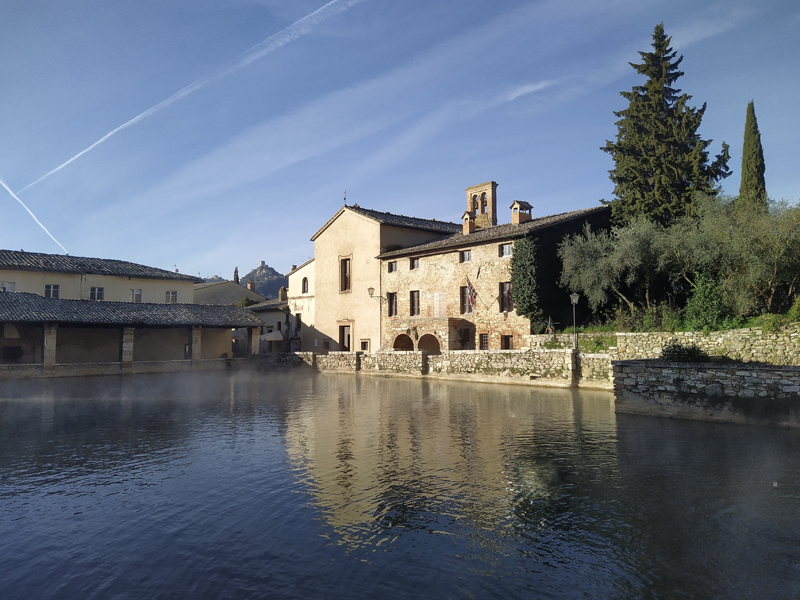
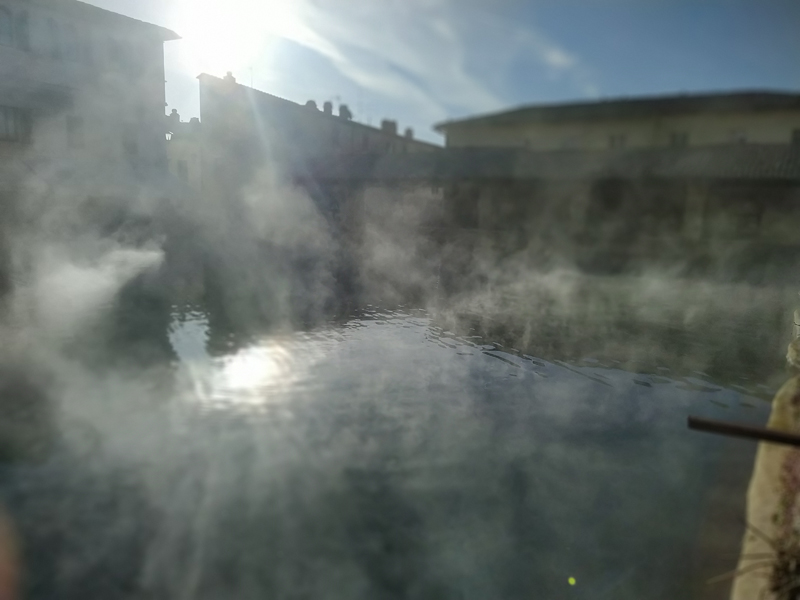
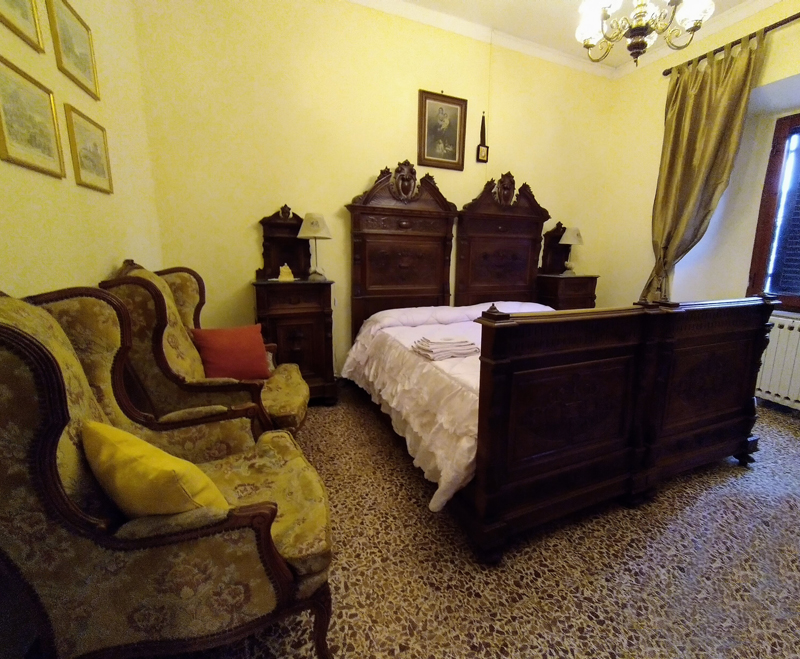
We had a room in an old house on Piazza delle Sorgenti, dominated by a large 16th century water basin, famous for its hot springs. Already in the Middle Ages, the springs were known to pelgrims who walked via the Via Francigena to Rome. In the early morning, the next day, the hot water steamed through the morning cold. The sun was shining and it was beautiful.
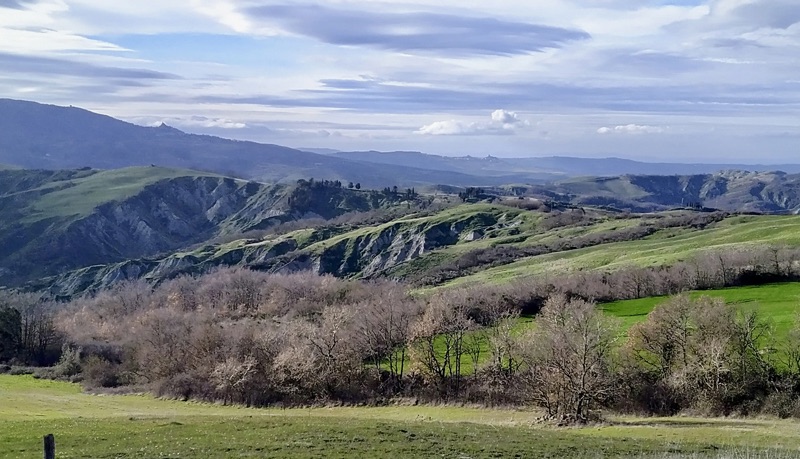
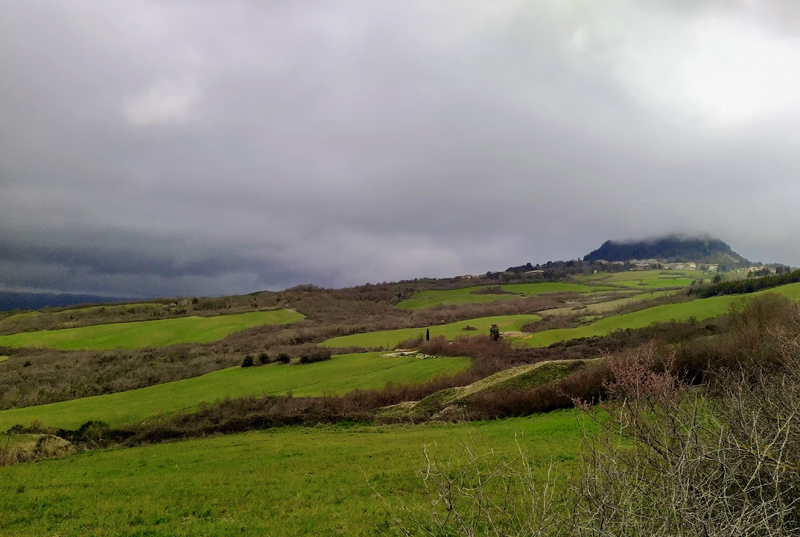
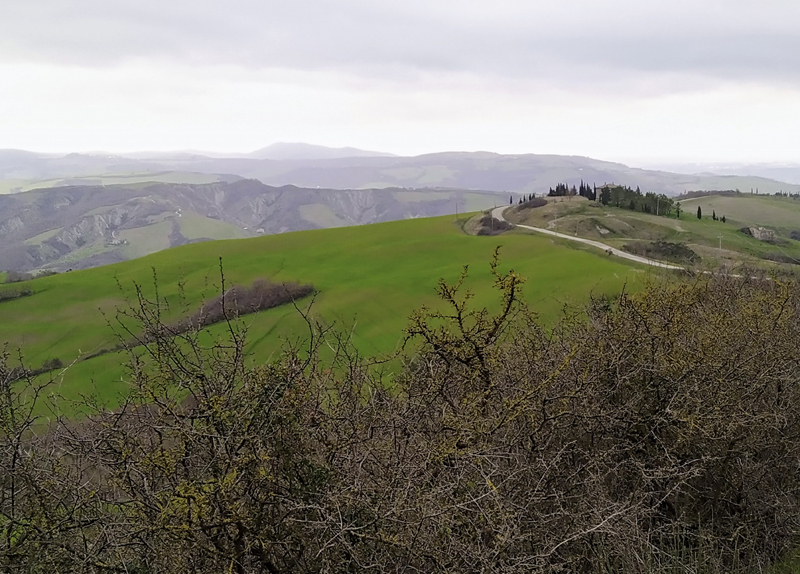
to Radicofani After a nice breakfast we left for Radicofani, about 28 km away. A long walk. and we already saw the town in the distance when we left; high on the mountain. The walk went out through an empty and rolling landscape. .
It was a warm day, but in the afternoon the weather turned. The last twelve kilometers the trail went up steadily and the wind picked up. It got cold.
We had rented a house in Radicofani, opposite the church. A special place.
The next morning we left in the fog. As we descended dark clouds appear. Via a winding ‘strada’ we walked down. Fortunately it stayed dry for a long time.
to Acquapendente
Near the main road we accidentally discovered a restaurant and we ate a nice plate of pasta. When we went out, it was raining. And hard.
Another 8 km to go to Acquapendente, along a busy main road. There was barely a shoulder. It was dark because of the rain and we didn’t feel really safe out there. But we were lucky; pretty soon we got a lift, even though we were already soaking wet.
I was so glad I told the young man:’you are an angel to us’. He asked our names and of course we asked his. ‘Gabriel’ … yes, he was our saving angel!
We walked part of the most walked, busiest camino; the Camino Fancès. And we loved it!
We drove by train from Gare de Montparnasse to Orthez near the Pyrenees. A quick comfortable journey. In a few hours we were in the town on the Camino. In the Tourist Office we got the first stamp in our credencial, and then we were ready for a beer. On the terrace we immediately became acquainted with Paulien and Jos. They had been walking for weeks, starting their journey in the Netherlands. The German Hans had joined them somewhere in France. They spent the night in the Auberge Municipal. We had reserved a room at a table d’hôte just outside Orthez. The next day, after breakfast, we really started and walked for 26 km, through hilly landscape. The light was beautiful. After about 17 km. there was a resting place. And there we saw Paulien, Jos and Hans again.
That’s how it would go throughout our journey. We walked for long stretches together, but then at breaks, or at the destination after a day trip, we ran into people we saw before.
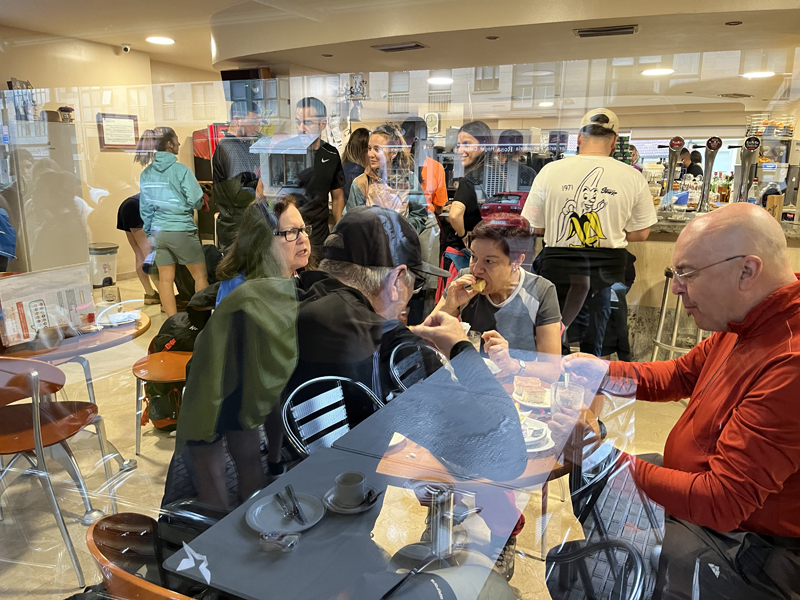
The nice thing is that everyone is walking in the same direction, all on the camino. This makes contact very easy. You regularly walk with someone for a while to let go of each other and sometimes run into each other again later. We often sat on the terrace with other hikers or ate together. “Menu Peregrino”. Many Americans and Canadians went out for the first time since the corona. There were also people from England, Ireland, Germany, Norway… Now we are back in the Netherlands, they are still walking. With all those nice people in mind, we’re not quite home yet.
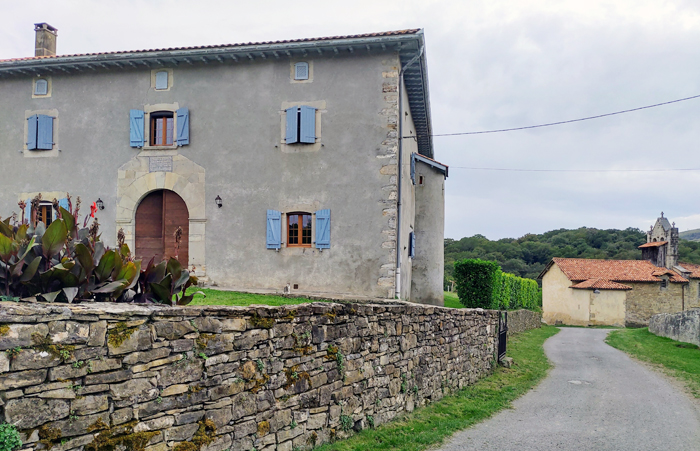
Bienvenue. We walked through the Basque area and we noticed that from the inscriptions on houses and on the double street signs. A beautiful language that could have served as an example for ‘The game of Thrones’. Route de Labastide / Bastidaxarreko errepidea.
After a spicy warm walk we arrived at Gite Etchetoa, with room for twelve pèlerins. A sober, but beautifully restored old house. Marie, who herself was fond of caminos, welcomed us with a glass of cold lemon water. “Throw your clothes from today in the laundry basket. I’ll run the washing machine during dinner later and everything will be clean and dry tomorrow.” We ate at the big table and Marie shared dinner with us. To toast each other’s happiness, she poured each a glass of cider. Together we set the table, cut the bread and put the dishes from the kitchen on the table. Bottled water and wine. The meal was rich and delicious. Cold cucumber soup. Rice and ragout with a Basque sausage. Banana cake with ice cream for dessert. What a great experience. Pleasant buzz in which the Belgian Martine occasionally translated some of the rap told French stories for us. The next morning after breakfast we set out early to Saint Jean Pied de Port, the place at the beginning of the Pyrenees, which is the starting point of the Camino for most hikers. We were glad that we had already walked three days before the ascent over the mountains.
Saint Jean Pied de Port is an old walled town at the foot of the Pyrenees. For most Camino hikers, this town is the starting point, which is noticeable by the crowds. Many people were still looking for a place to sleep. Fortunately we had reserved a room in advance. We went to sleep early, because the next day promised to be spicy; across the Pyrenees to Roncevalles in Spain.
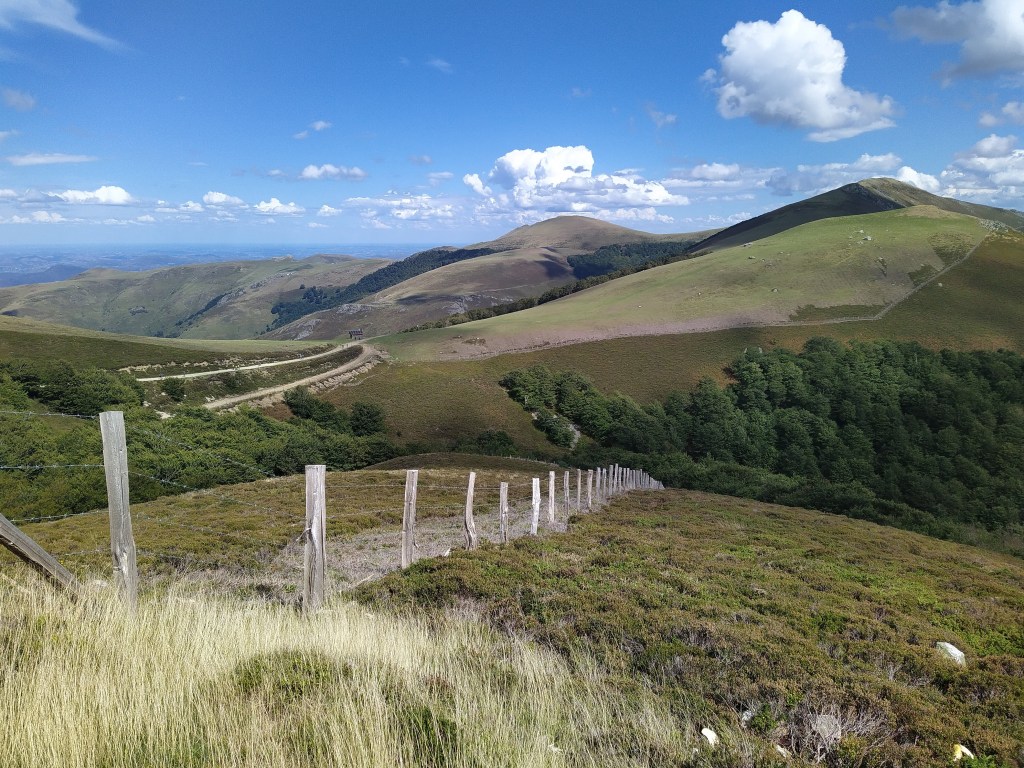
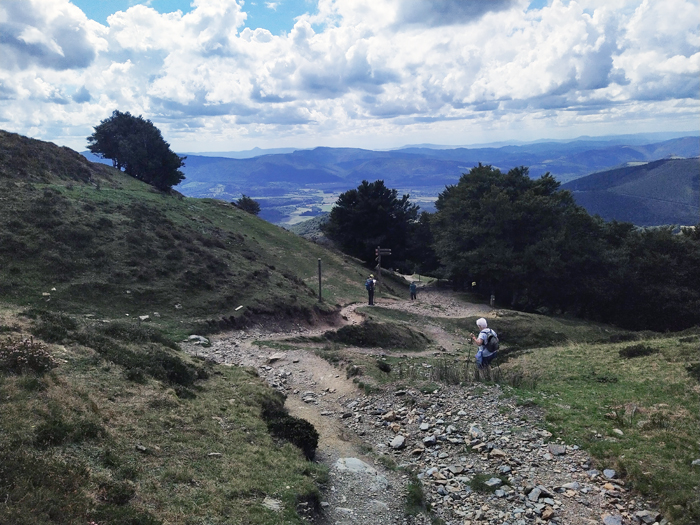
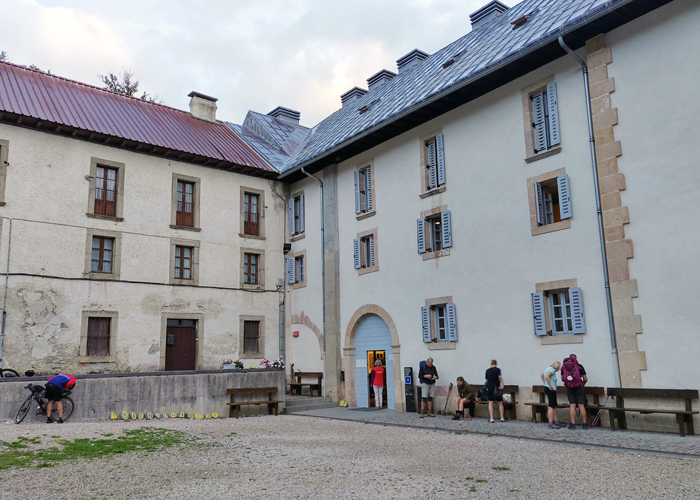
We set off at half past eight. The weather was crystal clear, but the wind was blowing hard. After a few hours there was a cafe with terrace where we drank coffee and ate a sandwich. There was a real mountain atmosphere. The view is magnificent. Vultures flying high above us. A bit after the border we are at the highest point and through a forest with mossy oaks the path goes down quite steeply. Roncevalle is the end point of the route. And almost everyone sleeps in the large Albergue in the monastery.
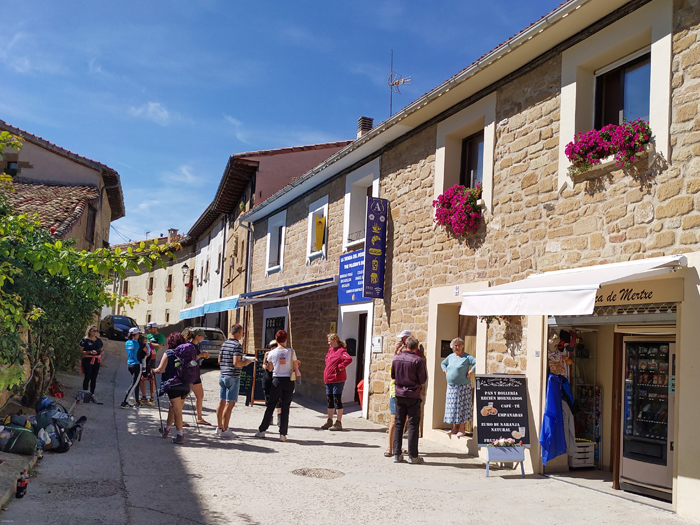
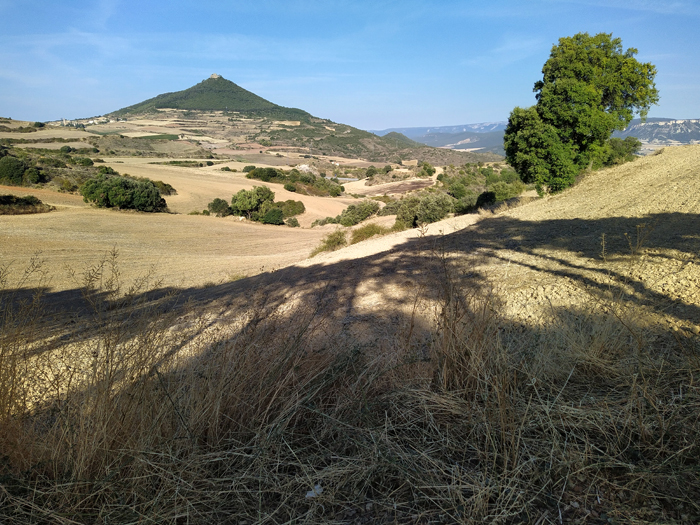
Now we are walking in Spain. The villages we pass through are old and beautifully situated in the landscape. Usually there is an opportunity to drink or eat something.
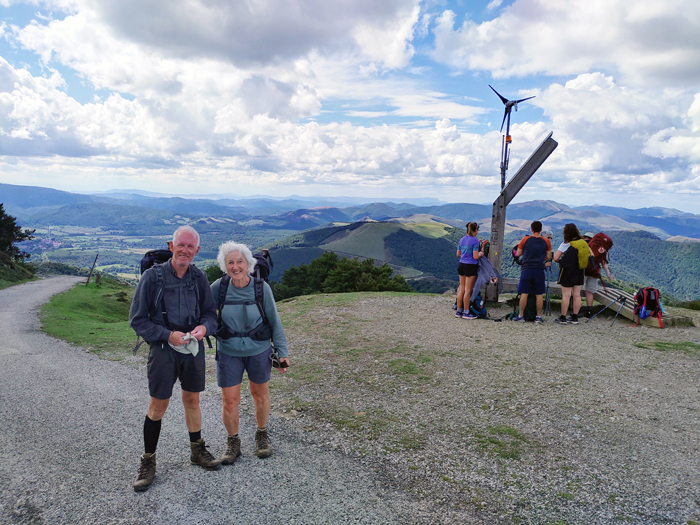
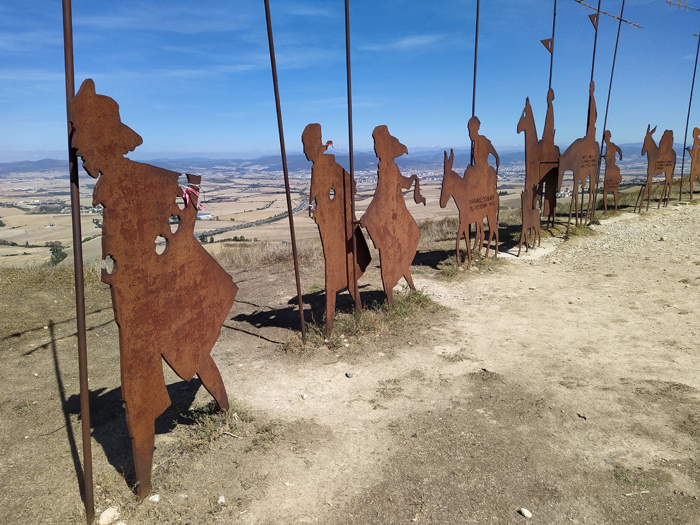
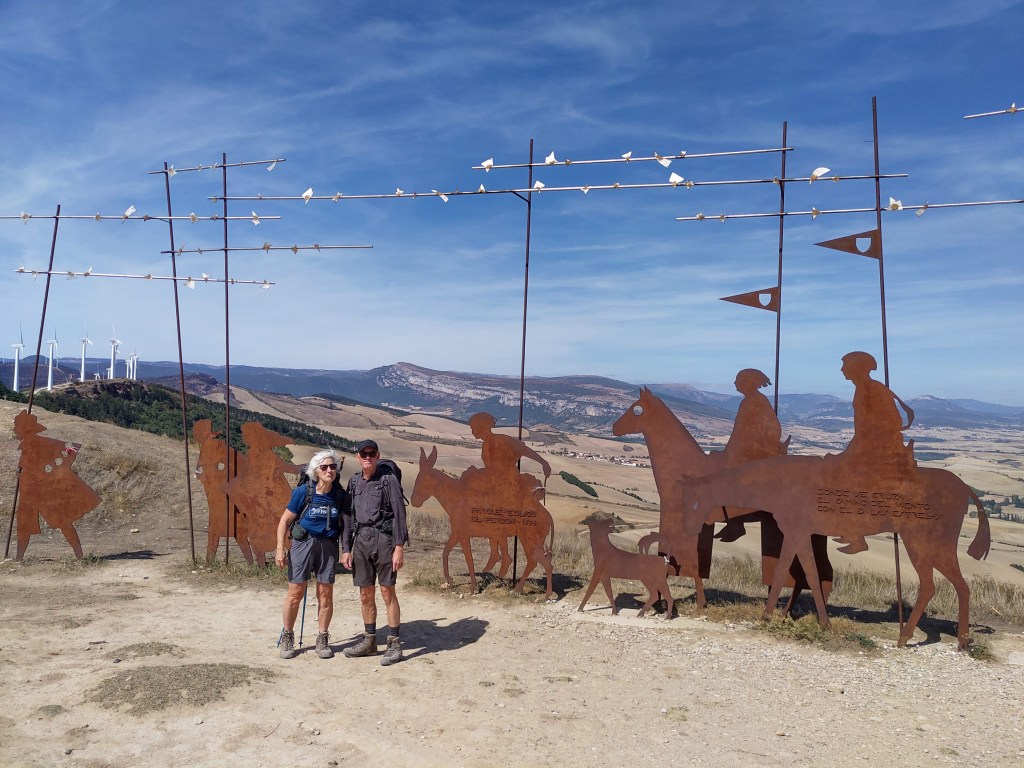
About 12 km after Pamplona, the camino crosses the Alto del Perdón, the highest point in the area. It is one of those places on the route that stays with you because of the beautiful view and because of the “Monumento del Peregrinos” from 1996 by sculptor Martinicorena, which depicts pilgrims through the ages.
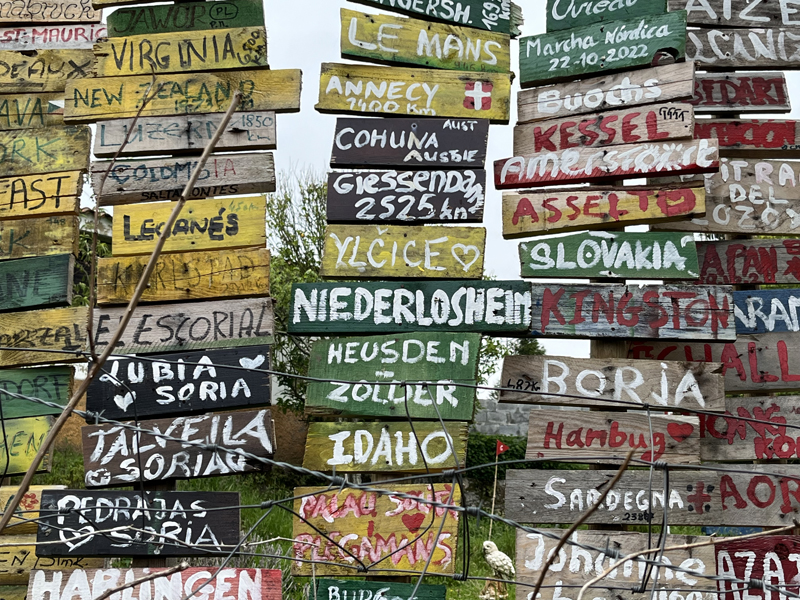
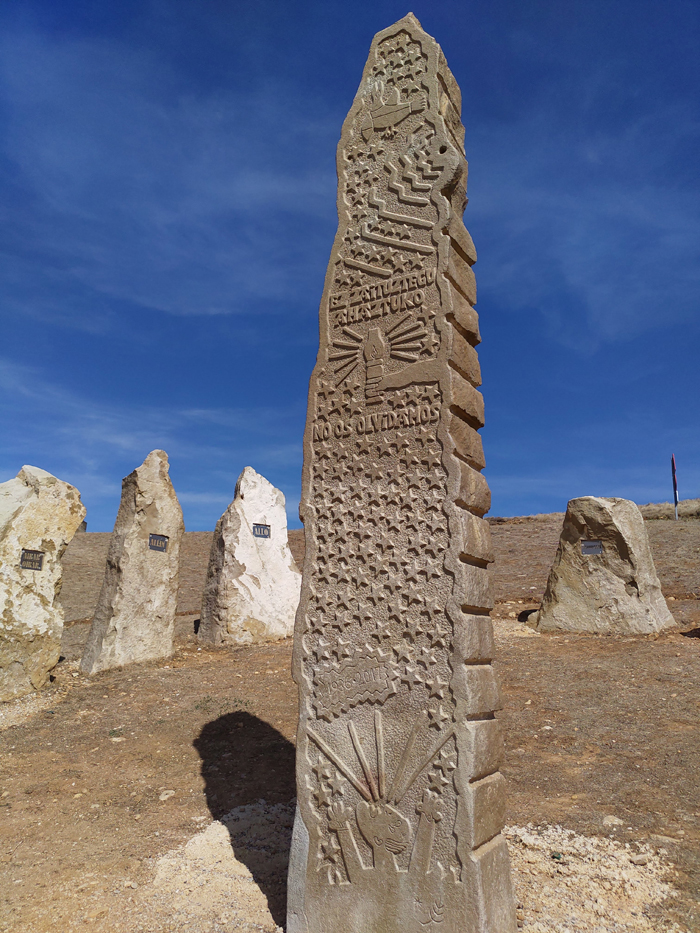
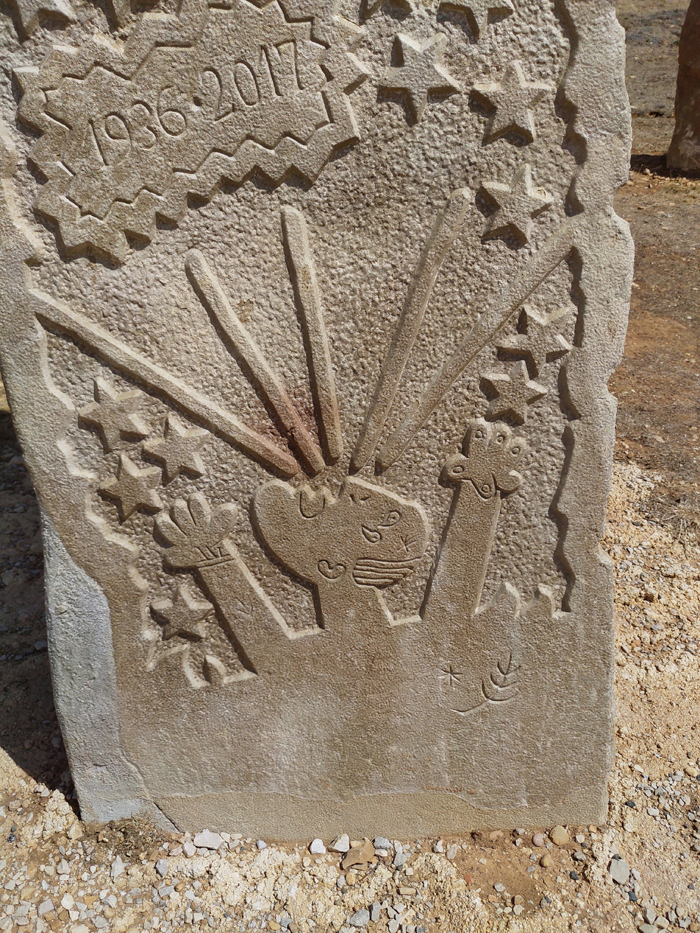
There is a second monument, slightly below the highest point, with a circle of stones and signs with place names on it. In the middle a high stone in which a screaming person is carved, reminiscent of Picasso’s Guernica. The name ‘mountain of forgiveness’ is appropriate here.
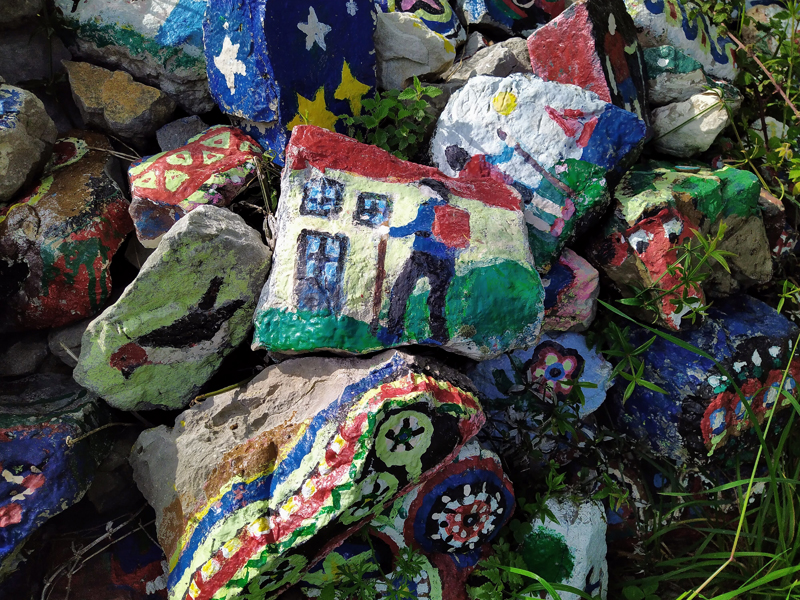
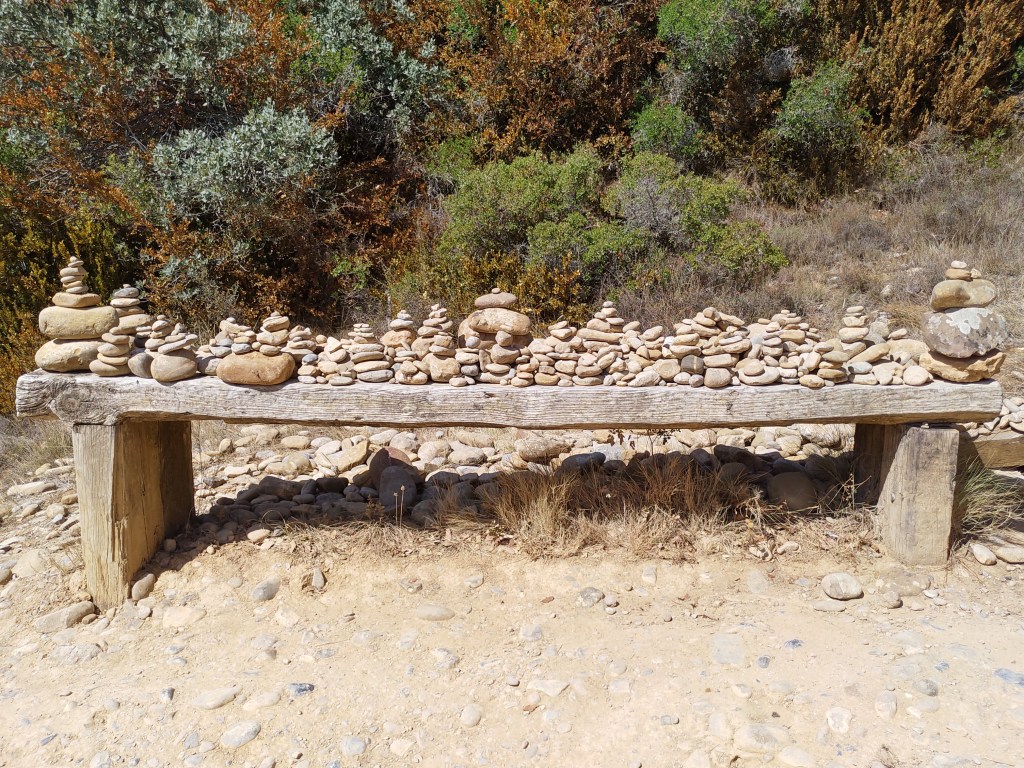
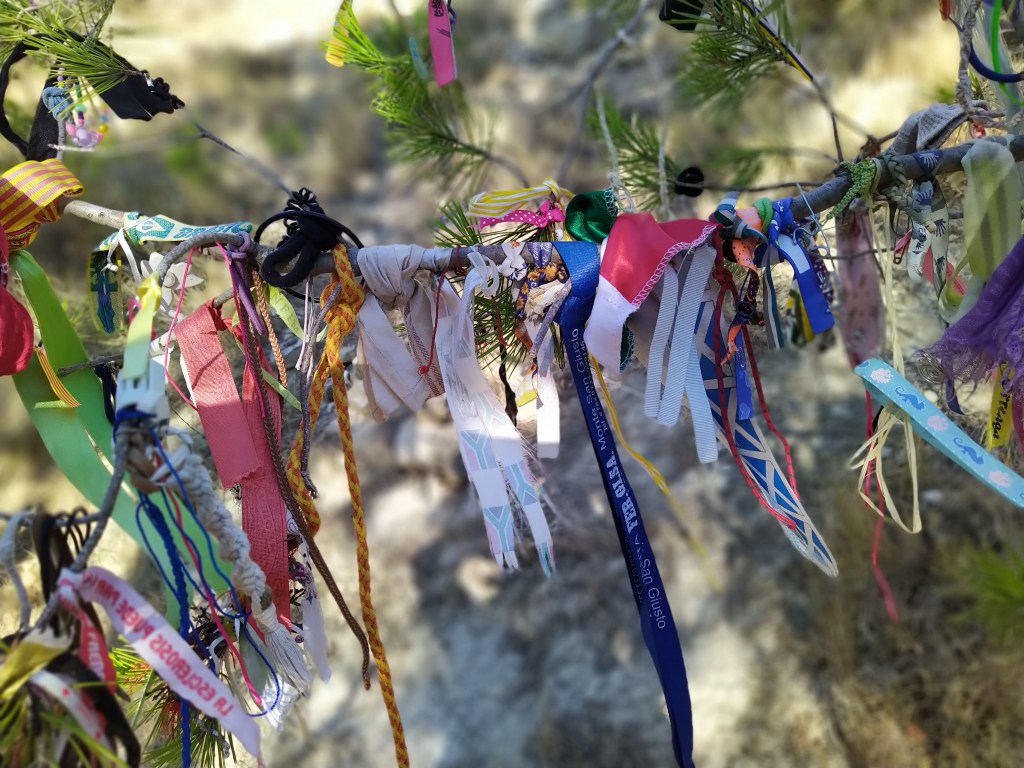
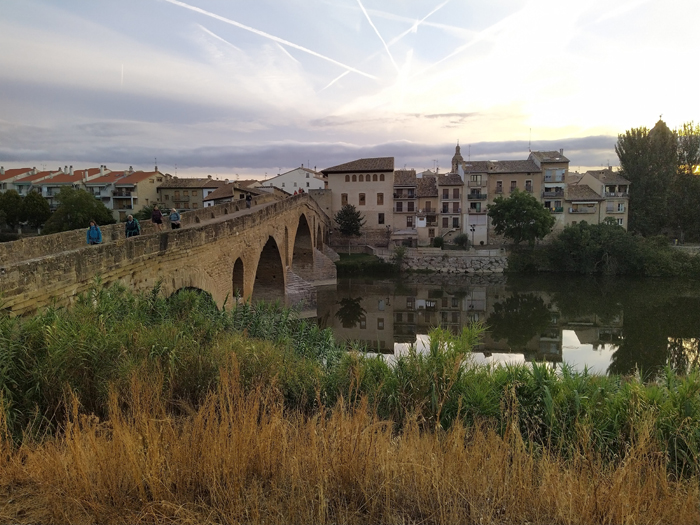
After the top there is a steep descent over a stony path to Puenta la Reina. Along the trail, hikers have made their memorial signs.
Donde se cruza el camino del viento con el de las estrella





















 about walking and cycling, ...